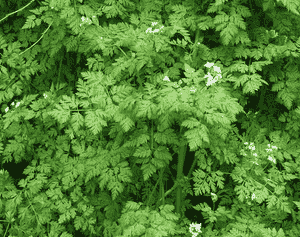
Garden chervil (Anthriscus cerefolium)
Also known as: Sweet cicely, French parsley
Chervil is a delightful herb with a sweet and peppery taste, beloved by many culinary aficionados. It's often paired with tarragon and parsley, key herbs in French cuisine. Chervil features dark green, fern-like leaves and was historically known as myrhis, due to its oil resembling myrrh.
In This Article
Attributes of Garden chervil
Lifespan
Annual, Biennial, Perennial
Plant Type
Herb
Plant Height
60 cm
Spread
30 cm
Leaf Color
Green
Flower Size
2.5 cm
Flower Color
White
Images of Garden chervil
Quickly Identify Garden chervil
1
Feathery, lacy leaves resembling flat-leaf parsley, light green, tripinnate, delicate texture.
2
Small white flowers in umbrella-like clusters (umbels), 1-2 inches (2.5-5 cm) across.
3
Delicate white petals arranged symmetrically, blooms from late spring to summer.
4
Leaves can be curly or flat, 1-6 inches (2.5-15 cm) in length, soft texture.
5
Fine and intricate venation pattern, fern-like appearance, mild aniseed aroma.
Scientific Classification of Garden chervil
Phylum
Vascular plants
Class
Dicotyledons
Order
Apiales
Family
Umbellifers
Genus
Chervils
Species
Garden chervil
Planting and Growing of Garden chervil
Care Difficulty
Easy
Watering Schedule
Every 8 days
Sunlight Requirements
Partial sun
Sunshine Duration
4-8 hours
Ideal Temperature
60-70℉
Soil Type
Potting Mix, Peat Mix
Soil pH
6.5-7.5
Fertilizer Type
Balanced
Pruning Season
Spring, Summer
Pruning Area
Branches, Leaves
Pruning Frequency
2 times a year
Repotting Season
Spring
Pot Type
Plastic, Ceramic
 How to Water Garden chervil?
For Anthriscus cerefolium, it is important to water thoroughly but not excessively. It follows the 'soak and dry' principle, meaning you should water until the water reaches the bottom of the pot, but let the soil dry out between sessions to prevent root rot.
What are the symptoms of an underwatered Garden chervil?
›
What should I do if my Garden chervil is not getting enough water?
›
What are the symptoms of an overwatered Garden chervil?
›
How to save an overwatered Garden chervil?
›
 What Are the Sunlight Requirements for Garden chervil?
Anthriscus cerefolium thrives best with partial sun exposure. This range supports vibrant foliage and robust growth without the risk of scorch damage.
More About Sunlight Requirements Techniques→
What is the best lighting condition for Anthriscus cerefolium?
›
How can you ensure ideal lighting for Anthriscus cerefolium?
›
What benefits does Anthriscus cerefolium get from ideal lighting?
›
 What Is the Ideal Temperature Range for Garden chervil?
Anthriscus cerefolium thrives in temperatures between 60°F to 70°F. This range facilitates optimal growth by providing a stable climate that supports enzymatic activity and physiological processes vital for healthy development.
 What Soil is Best for Garden chervil?
Anthriscus cerefolium thrives in well-drained soil which prevents waterlogging, ensuring the roots have access to adequate oxygen. This helps the plant to grow healthily and avoids root rot. The plant prefers soil with moderate fertility. This kind of soil provides ample nutrients which support robust growth without overwhelming the plant with excesses. While drainage is important, the soil should be able to retain some moisture to keep the plant hydrated. This balance is crucial for sustaining a continuous supply of water to the plant.
 How to Fertilize Garden chervil?
For Anthriscus cerefolium, use a balanced 10-10-10 liquid fertilizer. Apply it in a diluted form, such as half the recommended strength on the package, to avoid over-fertilization. Each application should be enough to moisten the root zone without saturating the soil.
 How to Prune Garden chervil?
Focus on pruning the more mature, taller stems to encourage new shoots. Trim at the base where the stem meets the main plant. Regularly pinch off leaves as needed for culinary purposes. This not only provides fresh ingredients but also naturally prunes and stimulates plant growth.
More About Pruning Techniques→
 How to Propagate Garden chervil plant?
1
To propagate Anthriscus cerefolium from seeds, begin by filling seed trays with a quality potting mix. Scatter seeds over the surface and lightly cover them with soil, maintaining soil moisture for optimal germination.
2
Choose a healthy, mature Anthriscus cerefolium plant and use sharp pruning shears to take cuttings about 5-7 cm long. Remove the lower leaves and dip the cut end in a rooting hormone to encourage root formation.
3
Insert the treated cuttings into a pot with a mixture of perlite and peat. Ensure that at least two nodes are below the soil surface. Water them gently and cover with a plastic bag to maintain humidity.
 How to Repot Garden chervil plant?
1
Repotting Anthriscus cerefolium is advisable when its growth seems stunted, or drainage problems occur due to compacted soil. Early spring or late summer are ideal times as the plant is actively growing, thus recovering quickly.
2
Opt for a pot slightly larger than the current one, ensuring it has drainage holes. A pot that is too big can lead to waterlogged soil, while too small can restrict root growth, thus hindering overall plant health.
3
Choose a well-draining loamy mix for repotting. This type of soil ensures good aeration and moisture retention without becoming waterlogged, thereby promoting healthy root development and reducing the risk of root rot.



