
Chamomile (Anthemis) (Anthemis)
Also known as: Dog fennel
Chamomile are daisy-like flowering herbs known for their aromatic properties. They are widely used in making herbal teas, cosmetics, and insect repellents. Chamomile is native to the Mediterranean region and Southwest Asia, although it has been naturalized in other areas around the globe. Additionally, some moth species rely on chamomile as their exclusive food source, highlighting its ecological importance.
In This Article
Attributes of Chamomile (Anthemis)
Lifespan
Annual, Perennial
Plant Height
30 to 60 cm
Spread
30 to 45 cm
Leaf Color
Dark green
Flower Size
2 to 5 cm
Flower Color
White petals with a yellow center
Images of Chamomile (Anthemis)
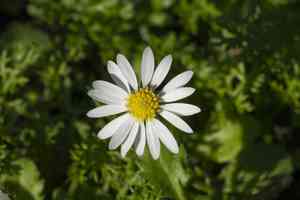
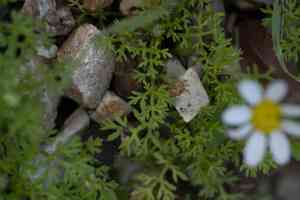
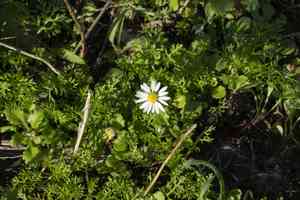
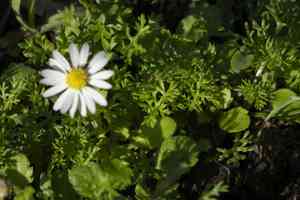
Quickly Identify Chamomile (Anthemis)
1
You can identify Anthemis by its finely divided leaves, daisy-like flower heads with white petals and yellow centers, and its characteristic aromatic scent.
Scientific Classification of Chamomile (Anthemis)
Phylum
Magnoliophyta
Class
Magnoliopsida
Order
Asterales
Family
Asteraceae
Genus
Anthemis
Planting and Growing of Chamomile (Anthemis)
Care Difficulty
Easy
Watering Schedule
Every 3 days
Sunlight Requirements
Full sun
Sunshine Duration
4-6 hours
Ideal Temperature
55-75℉
Soil Type
Potting Mix, Peat Mix
Soil pH
6.5-7.5
Fertilizer Type
Balanced
Pruning Season
Spring, Summer
Pruning Area
Branches, Leaves
Pruning Frequency
2 times a year
Repotting Season
Spring
Pot Type
Ceramic, Plastic
 How to Water Chamomile (Anthemis)?
When watering Anthemis, aim to provide around 250 milliliters of water per session. The soil should be moist but not waterlogged. Ensure the top layer dries out between watering sessions. This amount allows the roots to absorb necessary nutrients without suffocating them.
What are the symptoms of an underwatered Chamomile (Anthemis)?
›
What should I do if my Chamomile (Anthemis) is not getting enough water?
›
What are the symptoms of an overwatered Chamomile (Anthemis)?
›
How to save an overwatered Chamomile (Anthemis)?
›
 What Are the Sunlight Requirements for Chamomile (Anthemis)?
Partial to full sun exposure is ideal. Anthemis prospers with consistent exposure to sunlight, encouraging robust growth and abundant blooms. Ideal lighting fosters optimal photosynthesis and nutrient absorption, enhancing plant health.
How much light does Anthemis need?
›
What if full sun is not available?
›
How to achieve ideal lighting for Anthemis?
›
 What Is the Ideal Temperature Range for Chamomile (Anthemis)?
For optimal growth, Anthemis thrives best in a temperature range of 55-75°F. This range ensures that the plant's metabolic and photosynthetic processes operate efficiently, supporting healthy foliage and vibrant blooms. Maintaining consistent temperatures within this range helps prevent stress and encourages robust growth.
 What Soil is Best for Chamomile (Anthemis)?
Anthemis prefers well-draining soil to prevent waterlogging, which can cause root rot. Good drainage enhances root aeration and promotes healthy growth. The soil should be rich in organic matter to provide essential nutrients. Nutrients support robust foliage and flower production, resulting in a vibrant, lush plant. Anthemis thrives in moderately fertile soil, avoiding overly rich environments that spur excessive foliage at the expense of blooms.
 How to Fertilize Chamomile (Anthemis)?
When fertilizing Anthemis, ensure that you use a balanced fertilizer. A general-purpose 10-10-10 NPK fertilizer works well, applied at a rate of half the recommended strength to avoid over-fertilization and root burn.
 How to Prune Chamomile (Anthemis)?
During pruning, keep an eye out for any signs of pests or diseases such as discolored leaves or holes. Early detection can help in managing these issues before they become a larger problem. Always sanitize your tools before and after pruning to minimize the risk of spreading diseases. While regular pruning is beneficial, avoid cutting back more than one-third of the plant at any one time. Over-pruning can stress the plant and reduce its ability to photosynthesize effectively, leading to poor health and decreased flowering.
 How to Propagate Chamomile (Anthemis) plant?
1
Begin by filling a seed tray with a quality seed-starting mix. Sow Anthemis seeds on the surface and lightly cover them. Keep the tray in a warm location with indirect sunlight and maintain a consistent watering schedule.
2
Select healthy, non-flowering stems for cuttings. Use clean pruners to take a cutting of about 10 to 15 cm. Remove the lower leaves and dip the cut end in rooting hormone before placing it in moist soil.
3
In early spring or fall, carefully dig up the entire plant. Divide the root ball into sections, ensuring each section has roots and shoots. Replant the divisions in well-prepared soil, keeping the plants well-watered until established.
 How to Repot Chamomile (Anthemis) plant?
1
Repot Anthemis when you notice roots growing out of drainage holes, soil compacted or waterlogged, or slowed growth. Early signs include yellowing leaves or wilting despite regular care. Repotting typically benefits the plant in spring or autumn, allowing it to establish well before extreme temperatures.
2
Opt for a pot slightly larger than the current one to give roots space to grow. Ensure the pot has good drainage holes to prevent waterlogging. The pot material should suit your climate; terracotta for drier regions and plastic for more humid conditions, ensuring your plant thrives optimally.
3
Use a well-draining soil mix, ideally with some sand to improve aeration. This prevents water retention that can lead to root rot. The right soil not only provides nutrients but also mimics Anthemis' natural habitat, promoting healthier growth and vibrant blooms.
Learn More About Chamomile (Anthemis) Diseases
Anthracnose
Bacterial Leaf Spot
Bacterial Soft Rot
Damping-off
Downy Mildew
Drought Stress
Fusarium Wilt
Gray Mold
Leaf Spot
Mosaic
Nutrient Deficiency
Nutrient Toxicity
Powdery Mildew
Root Rot
Root-knot Nematode
Rusts
Sooty Mold
Spider Mites
Temperature Stress
Thrips Damage
White Mold
Chemical Injury

