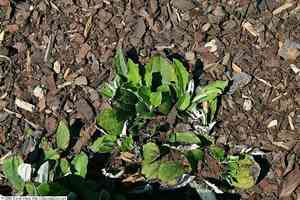
Parlin's pussytoes (Antennaria parlinii)
Also known as: Downy parlin's pussytoes
Antennaria parlinii is a herbaceous plant that can grow up to 45 centimeters in height. It has separate male and female plants, and in certain populations, only female plants are found.
In This Article
Attributes of Parlin's pussytoes
Lifespan
Perennial
Plant Type
Herb
Plant Height
0 mm to 30 cm
Spread
Varies, often forms dense mats
Leaf Color
Green to grey-green
Flower Size
0.5-1 cm
Flower Color
White to pale pink
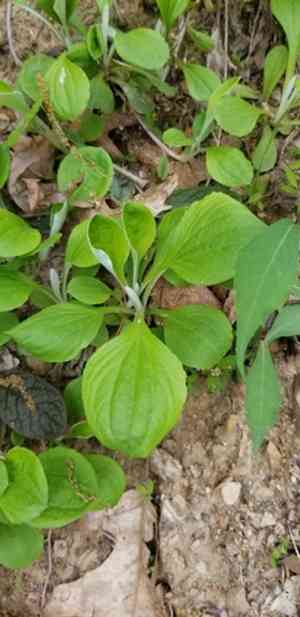
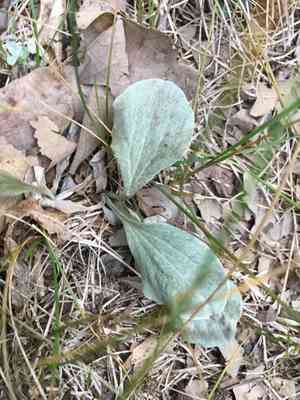
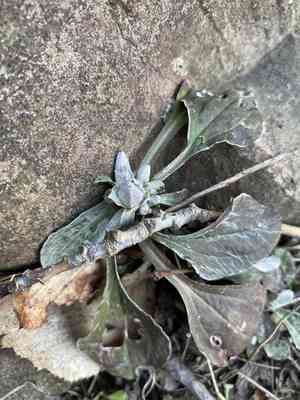
Images of Parlin's pussytoes
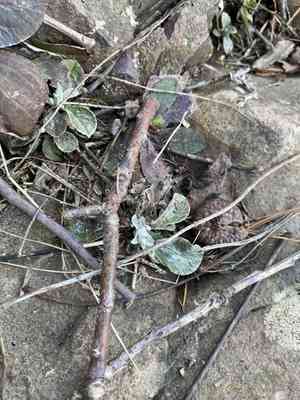
Quickly Identify Parlin's pussytoes
1
Field Pussytoes can be identified by their rosette-forming leaves that are woolly on both surfaces, and by their small, clustered flower heads that have white silky hairs. They often form mat-like colonies.
Scientific Classification of Parlin's pussytoes
Phylum
Vascular plants
Class
Dicotyledons
Order
Asterales
Family
Daisy
Genus
Everlasting
Species
Parlin's pussytoes
Planting and Growing of Parlin's pussytoes
Care Difficulty
Easy
Watering Schedule
Every 2 days
Sunlight Requirements
Partial sun
Sunshine Duration
6-10 hours
Ideal Temperature
60-75℉
Soil Type
Potting Mix, Peat Mix
Soil pH
6.5-7.5
Fertilizer Type
Balanced
Pruning Season
Spring, Summer
Pruning Area
Branches, Leaves
Pruning Frequency
2 times a year
Repotting Season
Spring
Pot Type
Plastic, Ceramic
 How to Water Parlin's pussytoes?
Antennaria parlinii prefers to have its soil evenly moist but not soggy. It is best to water it until the top inch of soil is slightly damp. Ensure that water drains well and never allow the plant to sit in standing water, which can lead to root rot.
What are the symptoms of an underwatered Parlin's pussytoes?
›
What should I do if my Parlin's pussytoes is not getting enough water?
›
What are the symptoms of an overwatered Parlin's pussytoes?
›
How to save an overwatered Parlin's pussytoes?
›
 What Are the Sunlight Requirements for Parlin's pussytoes?
Antennaria parlinii thrives best with partial sun exposure, typically needing four to six hours of light. Proper lighting ensures lush foliage and encourages healthy flowering cycles.
What is the best lighting setup?
›
How can you achieve this lighting condition?
›
What are the benefits of ideal lighting?
›
 What Is the Ideal Temperature Range for Parlin's pussytoes?
For the optimal growth of Antennaria parlinii, maintaining a temperature range between 60°F and 75°F is crucial. This range ensures that the plant's metabolic processes function efficiently, promoting lush foliage and healthy blooms. Deviations from this range can stress the plant, affecting its overall health.
 What Soil is Best for Parlin's pussytoes?
Antennaria parlinii thrives in well-drained soils which prevent root rot by ensuring excess water is efficiently drained. This root health leads to a more vibrant and robust plant growth. This plant prefers soils with moderate nutrient levels, which support steady growth without overwhelming the roots with excess nutrients that might harm the plant. With a tolerance for neutral to slightly acidic pH levels (6.5-7.5), Antennaria parlinii can maintain healthy nutrient absorption, crucial for maintaining its foliage and overall vigor.
 How to Fertilize Parlin's pussytoes?
For Antennaria parlinii, a light hand is best when it comes to fertilizing. Use a diluted solution of balanced liquid fertilizer, applying no more than a quarter of the recommended dose each time. For slow-release fertilizers, scatter a small handful around the base—just enough to lightly cover the soil with a thin sprinkle. Avoid overloading the soil with nutrients which could harm this plant’s natural hardiness.
 How to Prune Parlin's pussytoes?
Start by inspecting your Antennaria parlinii for any dead or diseased stems. Using clean, sharp scissors or pruning shears, cut these back to healthy tissue. Trim away any overgrown stems to keep the plant's height and spread under control. Aim to maintain a pleasing, neat shape by cutting just above a pair of leaves. In early spring, focus on removing winter damage and shaping the plant for summer growth. During summer, trim lightly to encourage flowering and tidy up the plant. After the blooming season, in late summer or early autumn, cut back spent flowers to promote further blooming opportunities. Avoid heavy pruning in late autumn or winter to protect against frost damage.
More About Pruning Techniques→
 How to Propagate Parlin's pussytoes plant?
1
Begin by gently uprooting the mature Antennaria parlinii, ensuring minimal disturbance to the root system. Shake off excess soil to clearly view the roots and individual crowns, allowing for precise separation.
2
Use the sharp garden knife to carefully cut the root ball into sections, each with a healthy shoot and robust root system. Ensure that each division includes at least one growing point to increase the chances of successful establishment.
3
Once divided, replant each section in well-drained soil, ensuring that the crowns are level with the surface. Water the planted divisions thoroughly to help settle the soil and eliminate air pockets around the roots.
 How to Repot Parlin's pussytoes plant?
1
Antennaria parlinii shows signs of needing repotting when its roots start growing out of the drainage holes or the plant appears stunted despite proper care. These signs are clear indicators that it's time to provide more space for root expansion.
2
Select a pot that is one size larger than the current one and has ample drainage holes to prevent waterlogging. A slightly larger pot supports healthy root growth by providing more space, thus ensuring the plant's stability and vitality.
3
Opt for a well-draining soil mix, usually a combination of peat, sand, and perlite, which mimics the plant's natural habitat. This kind of soil prevents water retention, reducing the risk of root rot and facilitating robust growth.
Learn More About Parlin's pussytoes Diseases
Anthracnose
Bacterial Leaf Spot
Bacterial Soft Rot
Bacterial Wilt
Black Spot
Chemical Injury
Crown Gall
Cyst Nematode
Damping-off
Downy Mildew
Drought Stress
Fusarium Wilt
Gray Mold
Leaf Spot
Mosaic
Nutrient Deficiency
Nutrient Toxicity
Powdery Mildew
Root Rot
Root-knot Nematode
Rusts
Sooty Mold
Spider Mites
Temperature Stress
Thrips Damage
White Mold



