Guanabana (Annona)(Annona)

Guanabana (Annona) (Annona)

Also known as: Soursop

Guanabana trees and shrubs, which belong to the Annona genus, are characterized by having a dominant central taproot with secondary roots branching out. This root system helps them anchor deeply and access nutrients and water from lower soil layers. Some species, like Bullock's Heart (Annona reticulata) and Custard Apples (Annona squamosa), produce edible fruits.

However, caution is advised when consuming fruits such as Cherimoya (Annona cherimola) and Graviola (Annona muricata), as their seeds contain toxic compounds. Additionally, the fruits themselves can be harmful if consumed in large quantities due to the presence of neurotoxic compounds like annonacin. Moderation is key, and it’s best to seek guidance if unsure about their safety.

Attributes of Guanabana (Annona)

Lifespan
Perennial
Plant Height
3-8 meters
Spread
3-5 meters
Leaf Color
Green
Flower Size
1-2 cm
Flower Color
Greenish-yellow

ForwardPlant - Identify plants with a snap

Identify and diagnose plants, get toxicity alerts, and explore safety guides for all types of fungi.

Try for Free

Images of Guanabana (Annona)

Guanabana (Annona)(Annona)

Quickly Identify Guanabana (Annona)

1
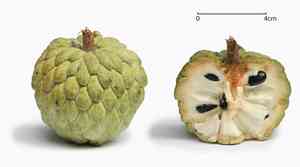
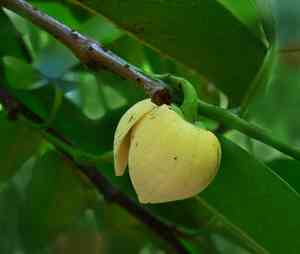
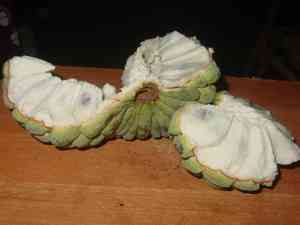
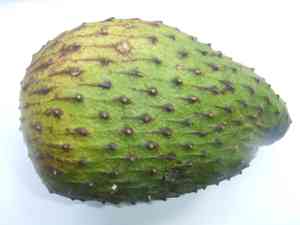
Annona spp. can be identified by their large, alternate leaves, typically oblong and smooth-edged. The flowers are typically greenish-yellow, and the fruits are distinct with a bumpy, scaly texture and are often heart-shaped.

Scientific Classification of Guanabana (Annona)

Phylum
Magnoliophyta
Class
Magnoliopsida
Order
Magnoliales
Family
Annonaceae
Genus
Annona

Planting and Growing of Guanabana (Annona)

Care Difficulty
Moderate
Watering Schedule
Every 8 days
Sunlight Requirements
Partial sun
Sunshine Duration
4-6 hours
Ideal Temperature
68-86℉
Soil Type
Potting Mix, Peat Mix
Soil pH
5.5-7.5
Fertilizer Type
Balanced
Pruning Season
Spring, Summer
Pruning Area
Branches, Leaves
Pruning Frequency
Once a year
Repotting Season
Spring
Pot Type
Plastic, Ceramic

water icon How to Water Guanabana (Annona)?

Annona requires watering until the soil is moist but not waterlogged. Typically, 500 ml per watering suits its needs, maintaining even moisture without oversaturation. Adjust the quantity depending on climate and pot size for the best results.
What are the symptoms of an underwatered Guanabana (Annona)?
What should I do if my Guanabana (Annona) is not getting enough water?
What are the symptoms of an overwatered Guanabana (Annona)?
How to save an overwatered Guanabana (Annona)?

sunlight icon What Are the Sunlight Requirements for Guanabana (Annona)?

Sunlight Requirements: Partial sun
Duration of light: 4 to 6 hours daily
Annona thrives best in partial sun, ideally receiving filtered sunlight for a good portion of the day. This optimal light exposure ensures robust growth, increased fruit yield, and improved overall plant health by balancing photosynthesis without causing stress from intense sunlight exposure.
What type of sunlight does Annona prefer?
How can I achieve ideal lighting conditions for Annona?
What benefits does Annona gain from ideal lighting?

temperature icon What Is the Ideal Temperature Range for Guanabana (Annona)?

Ideal Temperature: 68 ~ 86℉
The ideal temperature range for cultivating Annona is between 68°F and 86°F. In this range, the plant thrives, showing optimal growth and development. These temperatures mimic its native tropical climate, ensuring adequate metabolic processes and biological functions.

soil icon What Soil is Best for Guanabana (Annona)?

Soil type: Loam, Sandy loam, Clay soil
Soil PH: 5.5 ~ 7.5
Annona thrives in nutrient-rich soil that supports robust growth and fruit production. This soil type helps the plant develop a strong root system and enhances fruit flavor. The soil must offer excellent drainage to prevent waterlogging, which can lead to root rot. Good drainage ensures healthier roots and promotes vigorous plant development. While needing good drainage, the soil should also retain sufficient moisture to support the plant during dry periods. This balance prevents stress and keeps the plant hydrated.

fertilize icon How to Fertilize Guanabana (Annona)?

Fertilizer type: Balanced
When fertilizing Annona, use a balanced fertilizer, applying approximately 200 grams per tree during active growth phases. Young plants may require less, while mature plants can handle more as they encompass a larger root mass.

prune icon How to Prune Guanabana (Annona)?

Pruning Time: Spring, Summer, Autumn
Begin by removing any dead or diseased branches, cutting them back to the nearest healthy junction. Next, thin out crowded areas to improve airflow and light penetration. Lastly, shape the tree to maintain an open, balanced form. Always aim to cut branches at a 45-degree angle, just above a node or outward-facing bud, to direct new growth outward and avoid water pooling on the cut surface.

propagate icon How to Propagate Guanabana (Annona) plant?

Propagate Time: Spring, Early spring, Late spring
1
Before planting, soak the Annona seeds in warm water for 24 hours to soften the hard seed coat and promote better germination. This step is crucial for encouraging the seeds to absorb water and initiate sprouting.
2
Plant the prepared seeds in a well-draining soil mix at a depth of about 1 inch. Keep the soil moist but not waterlogged, and ensure the seeds receive ample warmth and light for optimal growth.
3
For grafting, select healthy scion and rootstock of compatible Annona species. Make a clean cut and join the two parts, securing them with grafting tape and ensuring they remain aligned for successful fusion.

repot icon How to Repot Guanabana (Annona) plant?

Repotting frequency: Every 2-3 years
1
Look for signs like roots growing out of the drainage holes, or stunted growth with yellowing leaves. Annona needs repotting when it becomes root-bound or shows slow growth even with regular care.
2
Select a pot that is 2 inches larger in diameter than the current one. A slightly bigger pot allows for root expansion without making the plant overly prone to waterlogging, ensuring balanced moisture retention.
3
Opt for well-draining, nutrient-rich soil. This helps prevent root rot and provides essential nutrients for healthy growth. The perfect blend will include loam, compost, and some perlite for aeration.

ForwardPlant - Identify plants with a snap

Find the best spots for them to optimize their health, simply using your phone.

Try for Free

Toxicity

Ingestion of seeds or unripe fruit

Identify toxic plants for your safety

Learn which plants are harmful to you and your pets, and make informed choices for a safer home!

Try for Free
WARNING
The judgment on toxicity and danger is for reference only. We DO NOT GUARANTEE any accuracy of such judgment. Therefore, you SHALL NOT rely on such judgment. It is IMPORTANT TO SEEK PROFESSIONAL ADVICE in advance when necessary.