
Sugar apple (Annona squamosa)
Also known as: Sweetsop
The sugar apple (Annona squamosa) is a tropical deciduous tree, typically reaching a height of 3 to 6 meters (10 to 20 feet). In spring, the tree produces small, hanging flowers that are yellowish-green to white in color. The fruit, known for its sweet fragrance and juicy texture, matures by late summer to early fall.
Attributes of Sugar apple
Images of Sugar apple

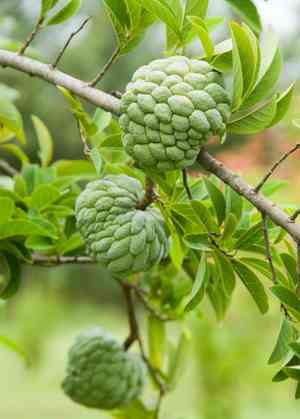
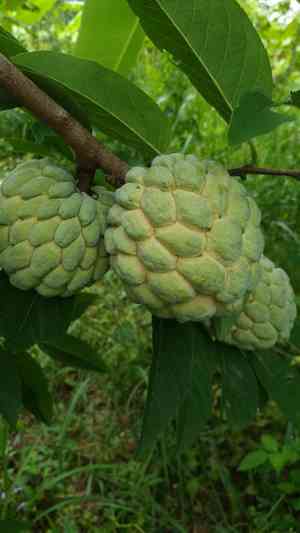
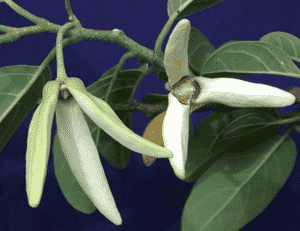
Quickly Identify Sugar apple
Scientific Classification of Sugar apple
Planting and Growing of Sugar apple
 How to Water Sugar apple?
 What Are the Sunlight Requirements for Sugar apple?
 What Is the Ideal Temperature Range for Sugar apple?
 What Soil is Best for Sugar apple?
 How to Fertilize Sugar apple?
 How to Prune Sugar apple?
 How to Propagate Sugar apple plant?
 How to Repot Sugar apple plant?
Toxicity of Sugar apple
Is Sugar apple toxic to humans?
The roots, seeds, leaves, and bark of the Sweetsop are known to contain various toxic compounds including hydrocyanic acid, annonaine, quinone, tannins, squamocin, and saponin, all of which can serve as a potent insecticide. Hydrocyanic acid, in particular, is extremely dangerous as it leads to the production of hydrogen cyanide when metabolized and acts as a significant skin irritant. Regrettably, the seeds are notorious for their toxicity, nestled within the delicious, aromatic, and sweet fruit, making it easy for children to accidentally consume them. Symptoms of poisoning may present as a bluish tint to the skin, chills, respiratory difficulties, intense headaches, nausea, vomiting, bradycardia, and potentially culminate in heart failure. Additionally, contact with crushed leaves or seed oil can result in skin rashes. If the seed oil enters the eyes, it may provoke severe irritation and a condition called toxic keratoconjunctivitis. It is crucial to keep children and individuals with cognitive disabilities away from this particular plant.
Is Sugar apple toxic to cat?
The sugar apple presents a slight toxicity hazard for cats. If felines consume large quantities of this plant, especially the seeds, they may experience poisoning. Key symptoms indicative of toxicity may include visible signs of physical discomfort, highlighting the necessity of supervising cats' contact with sugar apple. It is vital to seek veterinary assistance right away to address any health complications that arise from ingestion. Timely medical intervention is crucial to safeguard the health of an affected cat.
Is Sugar apple toxic to dog?
Sugar apple presents a low-level toxicity threat to dogs, especially when they consume the seeds in significant quantities. Dogs that eat parts of the sugar apple may show signs like vomiting, diarrhea, or abdominal discomfort. It is essential for dog owners to remain alert and ensure their pets do not reach the seeds of sugar apple. If a dog does ingest these seeds and exhibits any negative symptoms, it is critical to seek prompt veterinary assistance to safeguard the animal's health and well-being.



