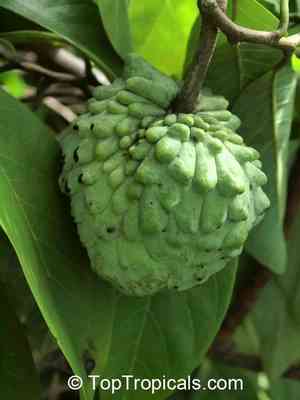
Cherimoya (Annona cherimola)
Also known as: Sugar apple, Graveola
Cherimoya, a tree or shrub known for its delectable fruit, thrives in high-altitude tropical and subtropical regions of the Americas. However, when it spreads beyond its native habitat, it can become invasive. This is notably the case in places like Easter Island, the Galapagos, Hawaii, and New Zealand, where it can escape cultivation and disrupt local ecosystems.
In This Article
Attributes of Cherimoya
Lifespan
Perennial
Plant Type
Tree, Shrub
Plant Height
3.5 m to 5 m
Spread
4.5 m to 9 m
Leaf Color
Dark green
Flower Size
2.5 cm to 5 cm
Flower Color
Yellow Green
Images of Cherimoya
Quickly Identify Cherimoya
1
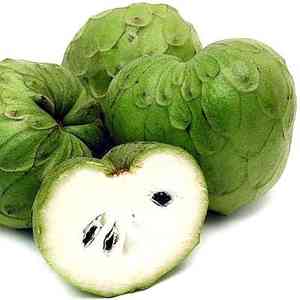
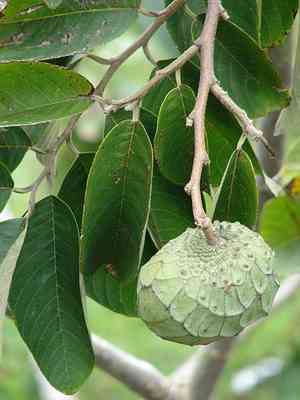
The cherimoya tree can be identified by its heart-shaped, green, scaly fruit and large, glossy leaves. The flowers are small, with three outer greenish-yellow petals and three smaller inner petals.
Scientific Classification of Cherimoya
Phylum
Vascular plants
Class
Dicotyledons
Order
Magnoliales
Family
Custard apple
Genus
Guanabana
Species
Cherimoya
Planting and Growing of Cherimoya
Care Difficulty
Hard
Watering Schedule
Every 3 days
Sunlight Requirements
Partial sun
Sunshine Duration
4-8 hours
Ideal Temperature
60-80℉
Soil Type
Potting Mix, Peat Mix
Soil pH
6.5-7.5
Fertilizer Type
Balanced
Pruning Season
Spring, Summer
Pruning Area
Branches, Leaves
Pruning Frequency
2 times a year
Repotting Season
Spring
Pot Type
Plastic, Ceramic
 How to Water Cherimoya?
For Annona cherimola, consistent moisture in the soil is key. Each watering session should involve about 500 ml of water, enough to thoroughly soak the soil without leaving standing water. Aim for the soil around the roots to feel damp to touch, but not saturated.
What are the symptoms of an underwatered Cherimoya?
›
What should I do if my Cherimoya is not getting enough water?
›
What are the symptoms of an overwatered Cherimoya?
›
How to save an overwatered Cherimoya?
›
 What Are the Sunlight Requirements for Cherimoya?
Annona cherimola prefers partial sun exposure, with the balance of morning and reduced afternoon light preventing leaf burn. Ideal lighting supports robust growth and maximizes fruit output, fostering a healthy plant ecosystem.
More About Sunlight Requirements Techniques→
What is the optimal lighting for Annona cherimola?
›
How can I provide ideal lighting conditions for Annona cherimola?
›
What benefits does ideal lighting bring to Annona cherimola?
›
 What Is the Ideal Temperature Range for Cherimoya?
The ideal temperature range for Annona cherimola, commonly known as cherimoya, is between 60°F and 80°F. This subtropical fruit thrives in warm but not overly hot climates. Temperatures within this range ensure optimal growth and fruit production, as they mimic the plant’s native Andean environment.
 What Soil is Best for Cherimoya?
Annona cherimola thrives in well-drained soil to prevent root rot. Proper drainage facilitates healthy root development and nutrient uptake, essential for the vigorous growth of the plant. This plant requires soil rich in organic matter. A nutrient-rich substrate provides a steady supply of necessary minerals and improves soil structure, promoting lush foliage and productive fruiting. Annona cherimola prefers soil that retains moderate moisture without getting waterlogged. Balanced moisture provides a continual supply of water necessary for the plant's metabolic processes while sustaining healthy growth.
 How to Fertilize Cherimoya?
For Annona cherimola, the key to effective fertilization is balance. Apply approximately 1 pound of balanced fertilizer per tree every year. This helps ensure that the plant receives all the essential nutrients it needs to thrive without overloading it with excess nutrients that could potentially harm it.
 How to Prune Cherimoya?
Start by removing any dead or diseased branches. This not only improves the overall health of the tree but also prevents the spread of disease. Next, focus on thinning out dense areas of the canopy to allow light penetration and air movement, which are crucial for fruit development. Shape your Annona cherimola by trimming branches that disrupt the desired form. Aim for an open center structure with well-spaced main branches. This helps in harvesting as well as providing the tree with a balanced structure that can withstand heavy fruit loads. Focus on pruning back the tips of branches to encourage lateral shoots, which are more likely to bear fruit. Removing water sprouts and suckers is essential as they draw energy away from fruit production.
More About Pruning Techniques→
 How to Propagate Cherimoya plant?
1
Harvest ripe fruits and extract seeds by removing the pulp. Clean the seeds thoroughly to remove any residue, as it can inhibit germination.
2
Use pruning shears to cut healthy stems. The cuttings should be about 6 inches long and have at least two leaves. Remove lower leaves before planting.
3
Select a healthy rootstock and compatible scion. Make clean cuts on both parts and join them securely, using grafting tape to ensure contact.
 How to Repot Cherimoya plant?
1
You'll know it's time to repot your Annona cherimola when its roots start circling the pot, or when you notice reduced growth. Another signal is the soil drying out more quickly than usual. Repotting is best done in the active growing seasons of Spring or early Summer to minimize stress.
2
Select a pot that is just one or two sizes larger than the current one to avoid overwhelming the plant. Ensure it has adequate drainage holes to prevent waterlogging, which can lead to root rot. A slightly larger pot promotes steady growth by providing room for root expansion.
3
Opt for a well-draining loamy soil mix that allows air and moisture to flow freely. It should hold sufficient moisture without becoming waterlogged, ensuring that the roots remain healthy and oxygenated. This type of soil helps in maintaining the plant's vigor and prevents root diseases.
Learn More About Cherimoya Diseases
Anthracnose
Bacterial Leaf Spot
Bacterial Soft Rot
Bacterial Wilt
Crown Gall
Damping-off
Drought Stress
Fusarium Wilt
Gray Mold
Leaf Curl
Leaf Spot
Mosaic
Nutrient Deficiency
Nutrient Toxicity
Powdery Mildew
Root Rot
Root-knot Nematode
Sooty Mold
Spider Mites
Temperature Stress
Thrips Damage
White Mold



