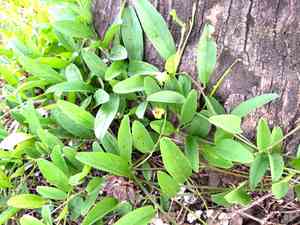
Whitejacket (Aniseia martinicensis)
Also known as: White Morning-glory, Trailing White Morning Glory
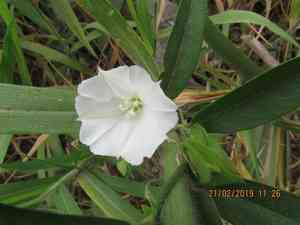
Whitejacket, typically found in swampy areas within tropical and subtropical regions of the Americas, has also been introduced to several other countries. This climbing perennial herb is characterized by its distinctive solitary white flowers.
In This Article
Attributes of Whitejacket
Lifespan
Annual, Perennial
Plant Type
Herb, Vine
Plant Height
Up to 1 meter (3.3 feet)
Spread
N/A - typically a climbing plant
Leaf Color
Green
Flower Size
Approximately 2-3 cm
Flower Color
White
Images of Whitejacket
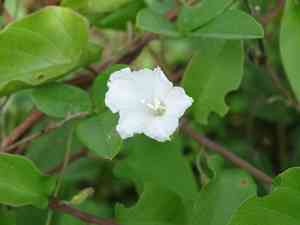
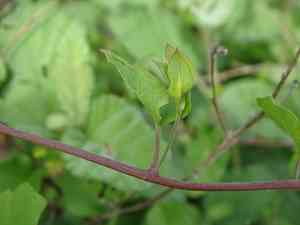
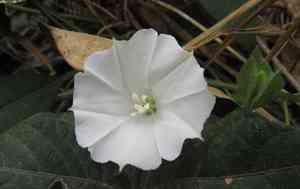
Quickly Identify Whitejacket
1
This plant can be identified by its heart-shaped leaves, white funnel-shaped flowers, and twining stems. The leaves typically have smooth edges and the flowers bloom during the morning, closing by afternoon.
Scientific Classification of Whitejacket
Phylum
Vascular plants
Class
Dicotyledons
Order
Solanales
Family
Morning-glory
Genus
Aniseia
Species
Whitejacket
Planting and Growing of Whitejacket
Care Difficulty
Easy
Watering Schedule
Every 2 days
Sunlight Requirements
Full sun
Sunshine Duration
6-10 hours
Ideal Temperature
68-77℉
Soil Type
Potting Mix, Peat Mix
Soil pH
6.5-7.5
Fertilizer Type
Balanced
Pruning Season
Spring, Summer
Pruning Area
Branches, Leaves
Pruning Frequency
2 times a year
Repotting Season
Spring
Pot Type
Plastic, Ceramic
 How to Water Whitejacket?
For Aniseia martinicensis, it's crucial to soak the soil evenly while ensuring it drains well. The watering quantity should sufficiently moisten the top 2-3 inches of soil, typically around 200 ml each time. This prevents the roots from sitting in water, reducing the risk of root rot.
What are the symptoms of an underwatered Whitejacket?
›
What should I do if my Whitejacket is not getting enough water?
›
What are the symptoms of an overwatered Whitejacket?
›
How to save an overwatered Whitejacket?
›
 What Are the Sunlight Requirements for Whitejacket?
The plant ideally requires full to partial sunlight, which is about four to six hours daily. This ensures photosynthesis proceeds effortlessly, promoting lush growth and sustaining floral development.
Ideal Sunlight Duration
›
Sunlight Accessibility Solutions
›
Benefits of Proper Sunlight
›
 What Is the Ideal Temperature Range for Whitejacket?
The ideal temperature range for cultivating Aniseia martinicensis is between 68°F and 77°F. Within this range, the plant can photosynthesize efficiently and maintain proper physiological processes. At these temperatures, the plant grows robustly and is less susceptible to stress.
 What Soil is Best for Whitejacket?
Aniseia martinicensis thrives in well-drained soils, preventing root rot problems. These soil conditions ensure that excess water flows away easily, maintaining a healthy root environment and facilitating nutrient uptake. This plant prefers soil that offers moderate fertility, which means that it's neither too rich nor too poor in nutrients. Such a balance supports its growth without the risk of stunted development or the overindulgence of nutrients that can sometimes cause growth anomalies. Soils with an aerated texture are ideal for Aniseia martinicensis, allowing roots to access the oxygen necessary for respiration. This condition helps maintain healthy root growth and supports overall plant vigor.
 How to Fertilize Whitejacket?
For Aniseia martinicensis, moderation is key when it comes to fertilization. Use a balanced fertilizer at half-strength to ensure the plant receives essential nutrients without the risk of over-fertilization. This approach helps maintain healthy growth and strong foliage.
 How to Prune Whitejacket?
Begin by inspecting the plant for any dead or diseased leaves or stems. Use your pruning shears to remove these parts, cutting back to healthy tissue to prevent the spread of any diseases. With Aniseia martinicensis, promote a bushy form by trimming back leggy vines just above a leaf node. Make clean cuts at a slight angle to encourage new, vigorous growth. Ensure that sunlight can reach the inner parts of the plant by thinning out densely vegetated areas. This can help prevent fungal issues and improve overall plant health.
 How to Propagate Whitejacket plant?
1
Begin by soaking Aniseia martinicensis seeds in water for 24 hours. This helps in softening the seed coat, promoting quicker germination by allowing moisture to penetrate easily.
2
Sow seeds evenly in the seed tray filled with potting mix. Cover lightly with a thin layer of soil, ensuring they are not buried too deep which can hinder sprout emergence.
3
Place the seed tray in a warm and bright location, ideally with indirect sunlight. Maintain consistent moisture levels in the soil but avoid overwatering which can lead to rot.
 How to Repot Whitejacket plant?
1
Aniseia martinicensis typically needs repotting when you notice roots growing out of the drainage holes or a clear slowdown in growth. Spring and summer are the ideal seasons as the plant is in an active growth phase, ensuring better recovery when repotted.
2
Select a pot that is one size larger than the current one and has adequate drainage holes. A slightly larger pot will give the roots space to grow without causing waterlogging. Good drainage prevents root rot and encourages healthy growth.
3
Opt for a well-draining potting mix, ideally one with a base of compost and perlite or sand. This composition provides both nutrients and aeration, ensuring that the roots get enough oxygen and do not sit in water, reducing the risk of root rot.



