Angiopteris (Angiopteris) (Angiopteris)
Also known as: No known aliases
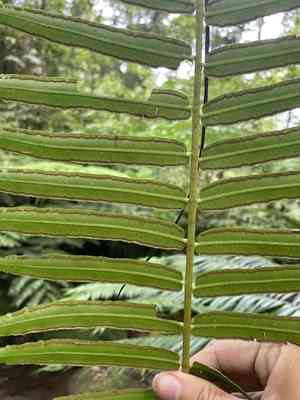
Angiopteris is a genus of large ferns in the family Marattiaceae, native to tropical and subtropical regions. These ferns are known for their massive, dissected fronds and prominent rhizomes.
In This Article
Attributes of Angiopteris (Angiopteris)
Lifespan
Perennial
Plant Height
Up to 6 meters
Spread
Up to 3 meters
Leaf Color
Green
Flower Size
Non-flowering plant
Flower Color
Non-flowering plant
Images of Angiopteris (Angiopteris)
Quickly Identify Angiopteris (Angiopteris)
1
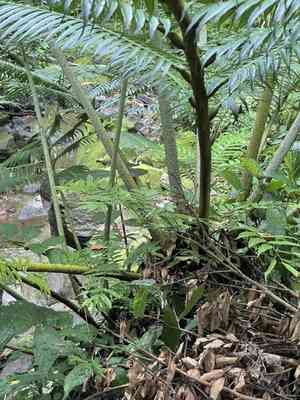
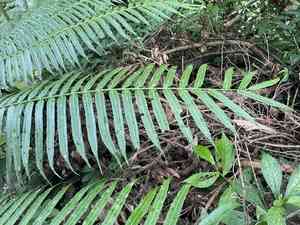
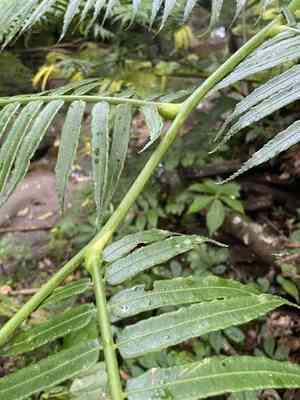
Identification of Angiopteris involves recognizing its large, bipinnate fronds, thick stipes, and prominent rhizomes. The fronds can reach several meters in length, and the stipes are often very stout.
Scientific Classification of Angiopteris (Angiopteris)
Phylum
Pteridophyta
Class
Polypodiopsida
Order
Marattiales
Family
Marattiaceae
Genus
Angiopteris
Planting and Growing of Angiopteris (Angiopteris)
Care Difficulty
Hard
Watering Schedule
Every 2 days
Sunlight Requirements
Full shade
Sunshine Duration
4-6 hours
Ideal Temperature
68-77℉
Soil Type
Potting Mix, Peat Mix
Soil pH
6.5-7.5
Fertilizer Type
Balanced
Pruning Season
Spring, Summer
Pruning Area
Branches, Leaves
Pruning Frequency
2 times a year
Repotting Season
Spring
Pot Type
Plastic, Ceramic
 How to Water Angiopteris (Angiopteris)?
For the majestic Angiopteris, watering should be thorough but not excessive. The key is to ensure the soil is moist but never waterlogged. Imagine creating a perfect balance where the soil feels like a damp sponge, retaining moisture but allowing excess to drain away. This keeps the roots healthy and prevents rot.
What are the symptoms of an underwatered Angiopteris (Angiopteris)?
›
What should I do if my Angiopteris (Angiopteris) is not getting enough water?
›
What are the symptoms of an overwatered Angiopteris (Angiopteris)?
›
How to save an overwatered Angiopteris (Angiopteris)?
›
 What Are the Sunlight Requirements for Angiopteris (Angiopteris)?
Angiopteris thrives best in partial sun to full shade conditions. Optimal light ensures vigorous growth and sustains the plant’s humidity requirements, promoting robust development and vibrant foliage.
What is the best location for Angiopteris?
›
How do I provide the right amount of sunlight?
›
What are the benefits of ideal lighting?
›
 What Is the Ideal Temperature Range for Angiopteris (Angiopteris)?
The ideal temperature range for Angiopteris is between 68°F and 77°F. This range provides an optimal environment for growth and photosynthesis. Angiopteris prefers stable temperature conditions that mimic its natural habitat, ensuring robust health and vitality.
 What Soil is Best for Angiopteris (Angiopteris)?
Angiopteris thrives in moist, well-drained soil that provides essential nutrients and retains adequate water without waterlogging. This ensures the roots have access to both moisture and oxygen, promoting healthy root development. Rich, organic matter-enhanced soils support the nutrient requirements of Angiopteris by providing necessary minerals and elements for optimal growth. This results in robust plant health and vigorous foliage. A balanced soil texture, combining components of sand, silt, and clay, ensures that Angiopteris has the right environment. This balance aids in maintaining consistent soil moisture and prevents compaction, providing the plant roots with sufficient space to grow.
 How to Fertilize Angiopteris (Angiopteris)?
Angiopteris, or the giant fern, requires careful attention when it comes to fertilizing. The amount of fertilizer should be moderate, as excessive fertilization can harm the plant. Usually, a balanced 10-10-10 NPK fertilizer is appropriate, with liquid fertilizers diluted to half strength and used cautiously to avoid leaf damage.
 How to Prune Angiopteris (Angiopteris)?
Begin by assessing the overall structure of your Angiopteris. Prune away any dead or damaged fronds using sharp, sterilized scissors or pruning shears. Make cuts close to the base without damaging the rhizome. Focus on removing fronds that overlap or crowd each other to improve light penetration and air circulation. After pruning, you might notice new growth emerging more vigorously.
 How to Propagate Angiopteris (Angiopteris) plant?
1
Select a healthy, mature Angiopteris with an established rhizome system. It's vital to use a plant that will tolerate the physical stress of division and can regenerate effectively after being subdivided.
2
Cut the rhizomes into sections using a sharp spade. Each divided part should have at least one growing point or fronds attached, which helps ensure that new plants will continue to thrive after separation.
3
Replant each divided section in a suitable substrate, ensuring roots are covered and fronds are above the soil level to promote new growth. Water thoroughly after planting to help the divisions establish in their new pots or ground locations.
 How to Repot Angiopteris (Angiopteris) plant?
1
Repot Angiopteris when you notice roots crowding the pot or protruding through drainage holes. Spring or autumn is ideal, ensuring moderate temperatures that reduce transplant shock. Slowed growth and frequent watering needs are signs it's time to repot.
2
Select a pot 2 inches larger in diameter than the current one, with ample drainage holes. A slightly bigger pot encourages root expansion without risking waterlogged soil, crucial for Angiopteris' robust growth and moisture balance.
3
Opt for a rich, well-draining soil blend, combining composted organic matter with perlite. This mix retains vital nutrients while allowing excess water to escape, crucial for avoiding root rot and maintaining a healthy Angiopteris.

