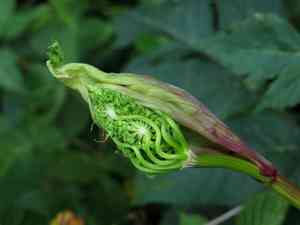
Filmy angelica (Angelica triquinata)
Also known as: Appalachian angelica
Filmy angelica (Angelica pachycarpa) is well-suited for moist, well-drained soils commonly found in woodland settings. It does best in partial to full shade, where it can capture dappled sunlight.
Key physical features include its large, glossy, dark green leaves that are finely divided, giving them an intricate appearance. The plant's thick, hollow stems can reach heights of up to 6 feet. In late summer, it produces clusters of small, white to pale green flowers. Overall, its lush foliage and tall stature make it a striking presence in shaded garden areas.
In This Article
Attributes of Filmy angelica
Lifespan
Perennial
Plant Type
Herb
Plant Height
2 m
Spread
90 cm
Leaf Color
Green
Flower Size
2 - 5 millimeters (individual flowers), Umbels can be up to 10-20 centimeters across
Flower Color
White Green
Images of Filmy angelica



Quickly Identify Filmy angelica
1
Robust stem shifts from green to purplish, reaching 6 feet (183 cm).
2
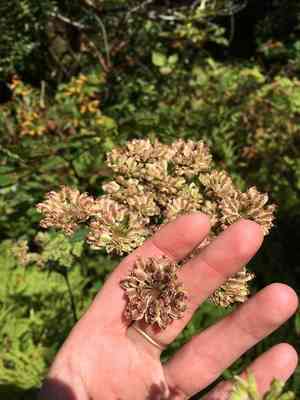
Compound umbels bloom with pale green to pinkish flowers in August-September.
3
Distinctive striped seeds with flattened shape and winged borders in fruiting stage.
4
Toothed, lobed leaves with marginal hairs and veined pattern, measuring 3 inches (7.6 cm).
5
Sturdy, smooth stem with reddish-purple hue and slight hairiness towards inflorescence.
Scientific Classification of Filmy angelica
Phylum
Vascular plants
Class
Dicotyledons
Order
Apiales
Family
Umbellifers
Genus
Angelica
Species
Filmy angelica
Planting and Growing of Filmy angelica
Care Difficulty
Hard
Watering Schedule
Every 2 days
Sunlight Requirements
Partial sun
Sunshine Duration
6-10 hours
Ideal Temperature
60-75℉
Soil Type
Potting Mix, Peat Mix
Soil pH
6.5-7.5
Fertilizer Type
Balanced
Pruning Season
Spring, Summer
Pruning Area
Branches, Leaves
Pruning Frequency
2 times a year
Repotting Season
Spring
Pot Type
Plastic, Ceramic
 How to Water Filmy angelica?
Angelica triquinata prefers a moist environment without being waterlogged. When watering, aim to provide about 500 milliliters each time, ensuring the soil is evenly moist but not saturated. This plant thrives with consistent moisture, making it crucial to avoid both dryness and excess wetness.
What are the symptoms of an underwatered Filmy angelica?
›
What should I do if my Filmy angelica is not getting enough water?
›
What are the symptoms of an overwatered Filmy angelica?
›
How to save an overwatered Filmy angelica?
›
 What Are the Sunlight Requirements for Filmy angelica?
Angelica triquinata ideally grows in partial sun to full shade. This balance helps retain moisture and prevents sun damage to its leaves, fostering healthy growth and minimizing stress.
What is the optimal sunlight exposure?
›
How can I ensure suitable light levels outdoors?
›
Why is ideal lighting crucial for Angelica triquinata?
›
 What Is the Ideal Temperature Range for Filmy angelica?
Angelica triquinata thrives best in an ideal temperature range of 60 to 75°F. This range ensures optimal growth and development for the plant, facilitating photosynthesis and other physiological processes necessary for its well-being.
 What Soil is Best for Filmy angelica?
Angelica triquinata thrives in well-drained soil, which helps prevent root rot and supports healthy root development. Ensuring the soil is well-drained means excess water does not linger around the roots, reducing disease risk and promoting nutrient absorption efficiency. A nutrient-rich soil enhances the growth and vigor of Angelica triquinata. Incorporating organic matter like compost or aged manure into the soil boosts essential nutrients, providing the plant with the necessary nitrogen, phosphorus, and potassium to thrive robustly. Moderate moisture retention in the soil ensures the plant has a consistent water supply without being waterlogged. This characteristic is crucial in maintaining the balance between hydration and aeration, allowing roots to access water and air simultaneously for optimal growth.
 How to Fertilize Filmy angelica?
Angelica triquinata benefits from a balanced nutrient intake. Apply liquid fertilizer at half the recommended strength to avoid nutrient burn. Each application should be moderate, targeting the root zone without over-saturating the soil. Aim for about 20ml per mature plant during the growing season.
 How to Prune Filmy angelica?
Start by sterilizing your pruning shears to prevent the spread of disease. Identify any dead or damaged stems and cut them away first. This clears the way for new growth and improves air circulation. For stems that are too long or misplaced, trim carefully back to a node or bud, ensuring not to leave stubs which can become diseased. Focus on keeping the plant's natural shape intact while trimming overgrowth. Trim around the outer edges to maintain a compact form. Be sure to cut at a 45-degree angle to ensure water runs off and does not pool at the cut site, reducing the chance of rot.
More About Pruning Techniques→
 How to Propagate Filmy angelica plant?
1
Before planting, scarify Angelica triquinata seeds by gently rubbing them with sandpaper to break the seed coat. This process helps to soften the outer layer and increases water uptake, thus enhancing the chances of successful germination.
2
Sow the Angelica triquinata seeds in seed starting trays filled with a well-draining potting mix. Lightly cover the seeds with soil and water them gently. Keep the trays in a warm spot to promote germination, making sure the soil remains moist but not waterlogged.
3
When dividing mature Angelica triquinata plants, select healthy clumps and use a sharp spade to split the plant into smaller sections. Make sure each section has a fair amount of roots and replant immediately into prepared soil beds, watering them adequately afterward.
 How to Repot Filmy angelica plant?
1
Angelica triquinata shows signs of needing repotting when roots begin to circle the pot's edges or grow out of the bottom. Additionally, if growth appears stunted or soil drains poorly, it's a good time to repot. Choosing the ideal season ensures the plant can recover quickly, with Spring and Autumn being the best due to mild temperatures.
2
Select a pot one size larger than the current one, ensuring good drainage with holes at the bottom. The material should be breathable, like terracotta, allowing moisture regulation. A proper pot provides the plant room to grow and prevents root rot, essential for Angelica's health and robust growth.
3
Opt for a well-draining, rich soil mix, combining organic compost with perlite or bark. This blend mirrors Angelica's natural habitat, offering the nutrients it needs and ensuring excess water doesn't accumulate, which is crucial for preventing root diseases in this moisture-sensitive plant.
Learn More About Filmy angelica Diseases
Anthracnose
Bacterial Leaf Spot
Bacterial Soft Rot
Bacterial Wilt
Crown Gall
Cyst Nematode
Damping-off
Downy Mildew
Drought Stress
Fusarium Wilt
Gray Mold
Leaf Spot
Mosaic
Nutrient Deficiency
Nutrient Toxicity
Powdery Mildew
Root Rot
Root-knot Nematode
Rusts
Sooty Mold
Spider Mites
Temperature Stress
Thrips Damage
White Mold



