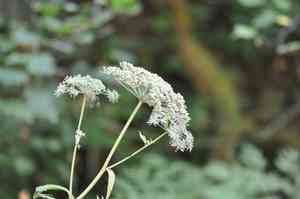
Kneeling angelica (Angelica genuflexa)
Also known as: Nodding Angelica, Kneeling Angelica
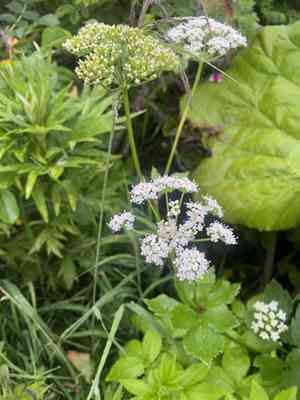
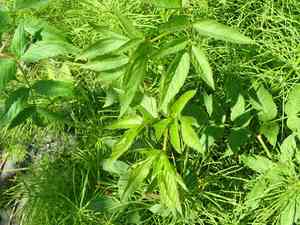
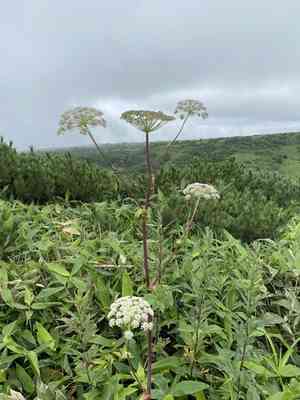
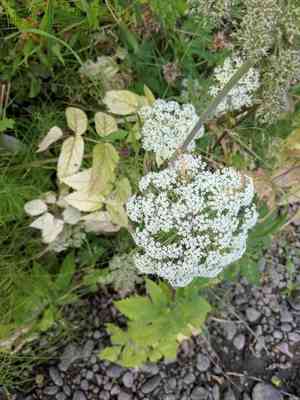
This taprooted perennial herb features an upright, hollow stem that can reach heights of 1 to 2 meters. The leaves, which can grow up to 80 cm in length, consist of numerous dissected, toothed leaflets, each extending up to 10 cm. The plant produces a compound umbel inflorescence with up to 50 rays, each holding clusters of small flowers.
In This Article
Attributes of Kneeling angelica
Lifespan
Biennial
Plant Type
Herb
Plant Height
91 cm to 2.5 m
Spread
N/A
Leaf Color
Green
Flower Size
0.1-0.2 cm (0.04-0.08 inches)
Flower Color
White
Images of Kneeling angelica
Quickly Identify Kneeling angelica
1
Identify Angelica genuflexa by its unique arching stems that tend to bend or \'kneel\', giving it a nodding appearance. The leaves are large, divided, and toothed, while the small white flowers form umbrella-like clusters called umbels.
Scientific Classification of Kneeling angelica
Phylum
Vascular plants
Class
Dicotyledons
Order
Apiales
Family
Umbellifers
Genus
Angelica
Species
Kneeling angelica
Planting and Growing of Kneeling angelica
Care Difficulty
Hard
Watering Schedule
Every 3 days
Sunlight Requirements
Partial sun
Sunshine Duration
4-8 hours
Ideal Temperature
60-75℉
Soil Type
Potting Mix, Peat Mix
Soil pH
6.5-7.5
Fertilizer Type
Balanced
Pruning Season
Spring, Summer
Pruning Area
Branches, Leaves
Pruning Frequency
Once a year
Repotting Season
Spring
Pot Type
Plastic, Terracotta
 How to Water Kneeling angelica?
For Angelica genuflexa, ensuring the soil is moist but not waterlogged is crucial. Watering 250 ml each time typically provides adequate hydration, enough to moisten the root zone without drowning them. It's essential to allow the top layer of soil to dry out between waterings.
What are the symptoms of an underwatered Kneeling angelica?
›
What should I do if my Kneeling angelica is not getting enough water?
›
What are the symptoms of an overwatered Kneeling angelica?
›
How to save an overwatered Kneeling angelica?
›
 What Are the Sunlight Requirements for Kneeling angelica?
Angelica genuflexa thrives best in partial to full sun environments, benefiting from morning sunshine and afternoon shade. Proper light exposure enhances growth rate, foliage health, and resistance to environmental stressors.
Question: How does Angelica genuflexa thrive under ideal light?
›
Question: What measures should be taken for ideal light?
›
Question: Benefits of ideal lighting conditions?
›
 What Is the Ideal Temperature Range for Kneeling angelica?
For optimal growth, Angelica genuflexa flourishes in temperatures between 60°F and 75°F. This range ensures that the plant's metabolic processes occur efficiently without stress. Maintaining temperatures within this ideal range promotes vigorous growth and prevents potential temperature-induced diseases.
 What Soil is Best for Kneeling angelica?
Angelica genuflexa thrives in well-draining soils that prevent water logging. Well-draining soil ensures the roots of the plant get enough oxygen and reduces the risk of root rot, promoting overall plant health. Though the soil must drain well, it should also retain moisture. This balance aids in maintaining consistent hydration, crucial for Angelica genuflexa's growth, especially in warmer months. A soil rich in organic matter supplies essential nutrients and enhances soil structure. Organic matter acts like a natural fertilizer, providing essential nutrients that promote robust growth of Angelica genuflexa.
 How to Fertilize Kneeling angelica?
For Angelica genuflexa, applying too much fertilizer can be detrimental. Use a balanced 10-10-10 liquid fertilizer mixed at half the recommended strength. As for slow-release granules, apply approximately one tablespoon per square foot annually. This ensures the plant receives adequate nutrients without overwhelming it.
 How to Prune Kneeling angelica?
Before cutting, thoroughly examine Angelica genuflexa for dead, damaged, or diseased stems. Removing these will encourage overall vitality and help the plant focus resources on healthy growth, enhancing its natural beauty. Focus on cutting back congested areas to improve air circulation. This process not only reduces the risk of fungal infections but also allows sunlight to reach more of the plant, promoting a more robust growth pattern. After pruning, step back and observe the plant’s new shape. Make slight adjustments if necessary to balance the structure. This ensures a visually pleasing plant form and continued healthy growth throughout the seasons.
More About Pruning Techniques→
 How to Propagate Kneeling angelica plant?
1
Collect seeds from mature Angelica genuflexa plants during the late summer. Clean the seeds and let them dry naturally. Stratify seeds by storing them in a cold, moist environment for 4-6 weeks to break dormancy.
2
In early spring, sow the stratified seeds in a seed tray filled with moist potting mix. Place the tray in a location with filtered light and maintain consistent moisture; ensure the soil temperature is between 60-70°F for optimal germination.
3
In mid-spring, take 4-6 inch softwood cuttings from a healthy parent plant. Remove the lower leaves and dip the cut end in a rooting hormone powder to improve success rates. Plant them in a pot filled with a moistened potting mix.
 How to Repot Kneeling angelica plant?
1
Angelica genuflexa signals it's time for a new pot when you notice roots circling at the soil's surface or protruding through drainage holes. Another sign is slowed or halted growth during its active growing season. Ideally, repot during early spring or summer, ensuring the plant transitions smoothly with minimal stress.
2
Select a pot that is 1-2 inches larger in diameter than the current one. This size allows adequate root expansion without the risk of overwatering, which can occur in oversized pots. Ensure the pot has good drainage holes to prevent waterlogging and root rot, which ensures healthier root development and overall plant vigor.
3
Opt for well-draining soil rich with organic matter for repotting Angelica genuflexa. A blend that includes peat, perlites, or coarse sand works best. This mix prevents water retention, allowing roots to breathe and reducing the risk of fungal infections and root rot, promoting robust growth and health.
Learn More About Kneeling angelica Diseases
Anthracnose
Bacterial Leaf Spot
Bacterial Soft Rot
Bacterial Wilt
Crown Gall
Cyst Nematode
Damping-off
Downy Mildew
Drought Stress
Fusarium Wilt
Gray Mold
Leaf Spot
Mosaic
Nutrient Deficiency
Nutrient Toxicity
Powdery Mildew
Root Rot
Root-knot Nematode
Rusts
Sooty Mold
Spider Mites
Temperature Stress
Thrips Damage
White Mold


