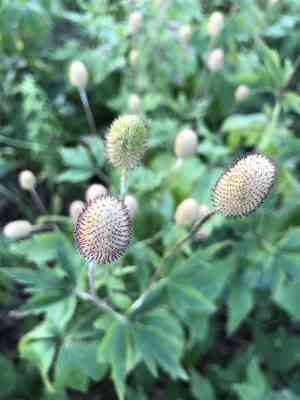
Tall Thimbleweed (Anemone virginiana)
Also known as: Thimble-Weed
The Blue Wood Aster (Symphyotrichum cordifolium) is a wildflower indigenous to the central and eastern United States. Renowned for its late summer floral displays, it flourishes in shaded areas where many other wildflowers might falter. This plant is particularly hardy, as it is not commonly affected by deer, insects, or diseases.
Attributes of Tall Thimbleweed
Images of Tall Thimbleweed
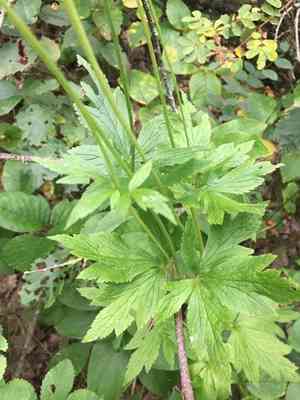
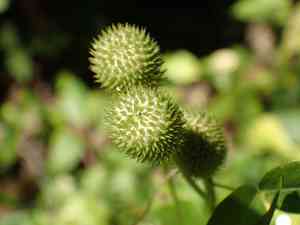
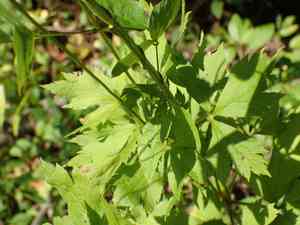
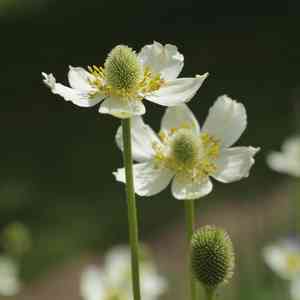
Quickly Identify Tall Thimbleweed
Scientific Classification of Tall Thimbleweed
Planting and Growing of Tall Thimbleweed
 How to Water Tall Thimbleweed?
 What Are the Sunlight Requirements for Tall Thimbleweed?
 What Is the Ideal Temperature Range for Tall Thimbleweed?
 What Soil is Best for Tall Thimbleweed?
 How to Fertilize Tall Thimbleweed?
 How to Prune Tall Thimbleweed?
 How to Propagate Tall Thimbleweed plant?
 How to Repot Tall Thimbleweed plant?
Toxicity of Tall Thimbleweed
Is Tall Thimbleweed toxic to humans?
Tall Thimbleweed is a toxic plant characterized by its minor toxicity levels. When consumed in substantial amounts, it can lead to low to moderate health issues. Additionally, skin dermatitis can occur upon exposure to the plant’s sap. All components of this plant are recognized as poisonous due to the presence of protoanemonin – a harmful compound found in all members of the buttercup family (*Ranunculaceae*). Ingestion of tall Thimbleweed can result in a burning sensation in the mouth, accompanied by gastrointestinal disturbances like vomiting, diarrhea, and possible stomach cramps. When the plant contacts the skin, it may trigger inflammation, blisters, redness, and a burning sensation.
Is Tall Thimbleweed toxic to cat?
Tall Thimbleweed is identified as a toxic plant species for cats. Felines may unintentionally consume various parts of this plant, including the leaves, flowers, fruits, roots, seeds, stems, or bark, which can result in poisoning. Upon ingesting tall Thimbleweed, a cat might exhibit symptoms that indicate physical distress or illness, such as gastrointestinal issues, lethargy, or excessive salivation. It is crucial for cat owners to be aware of these warning signs and respond quickly. If a cat is suspected of having ingested tall Thimbleweed, it is vital to seek immediate veterinary assistance, as timely treatment is essential for their health and recovery.
Is Tall Thimbleweed toxic to dog?
The Tall Thimbleweed is a highly toxic plant for dogs, presenting a considerable danger when ingested. Dogs might inadvertently consume various parts of the Tall Thimbleweed, which encompass its leaves, flowers, fruits, roots, seeds, stems, and bark. Upon ingesting any segment of the Tall Thimbleweed, dogs may display symptoms such as gastrointestinal distress, excessive drooling, vomiting, diarrhea, or even more serious reactions depending on the quantity ingested. It is essential for dog owners to remain alert and prevent their pets from accessing regions inhabited by Tall Thimbleweed. If a dog is suspected of being poisoned by Tall Thimbleweed, it is critical to obtain immediate veterinary assistance to ensure the best possible outcome for the affected animal.



