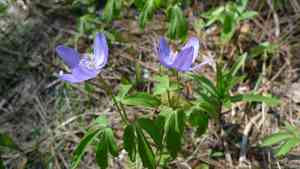
Blue windflower (Anemone oregana)
Also known as: Oregon Anemone, Blue Windflower
The blue windflower, also known as Anemone oregana, is a perennial herb that thrives in moist coniferous forests. It can be found at elevations ranging from sea level up to approximately 1,524 meters (5,000 feet). The name "Anemone oregana" originates from Oregon, USA, where it is predominantly found.
In This Article
Attributes of Blue windflower
Lifespan
Perennial
Plant Height
8 cm to 25 cm
Spread
8-12 inches (20-30 cm)
Leaf Color
Green
Flower Size
1-2 inches (2.5-5 cm)
Flower Color
Blue, Purple
Images of Blue windflower
Quickly Identify Blue windflower
1
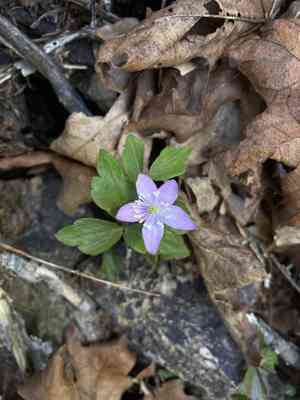
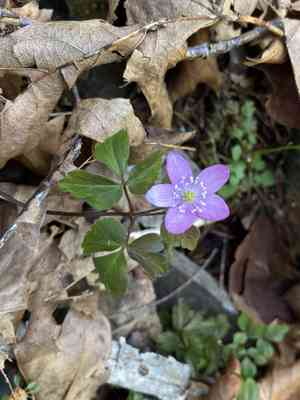
Anemone oregana can be recognized by its basal leaves that are deeply divided into three segments. The flowers usually have five to eight blue or purple petals and appear on stalks above the foliage.
Scientific Classification of Blue windflower
Phylum
Vascular plants
Class
Dicotyledons
Order
Buttercups, poppies and allies
Family
Buttercup
Genus
Windflowers
Species
Blue windflower
Planting and Growing of Blue windflower
Care Difficulty
Easy
Watering Schedule
Every 4 days
Sunlight Requirements
Partial sun
Sunshine Duration
6-10 hours
Ideal Temperature
55-68℉
Soil Type
Potting Mix, Peat Mix
Soil pH
6.5-7.5
Fertilizer Type
Balanced
Pruning Season
Spring, Summer
Pruning Area
Branches, Leaves
Pruning Frequency
2 times a year
Repotting Season
Spring
Pot Type
Plastic, Terracotta
 How to Water Blue windflower?
The Anemone oregana requires watering until the soil is thoroughly moist but not waterlogged. Aim for approximately 250 ml of water per session, ensuring the soil remains evenly damp without pooling at the bottom of the pot.
What are the symptoms of an underwatered Blue windflower?
›
What should I do if my Blue windflower is not getting enough water?
›
What are the symptoms of an overwatered Blue windflower?
›
How to save an overwatered Blue windflower?
›
 What Are the Sunlight Requirements for Blue windflower?
Partial sun exposure ensures the best growth for Anemone oregana, allowing it to photosynthesize effectively and maintain moisture, leading to stronger plants with more vibrant blossoms.
What is the optimal light condition?
›
How to achieve ideal light conditions?
›
Benefits of ideal lighting for the plant?
›
 What Is the Ideal Temperature Range for Blue windflower?
Anemone oregana thrives best when the ambient temperature is kept between 55 to 68 degrees Fahrenheit. This range allows optimal metabolic processes, ensuring healthy growth and blooming. Temperatures within this range maintain soil moisture balance and help avoid stress on the plant.
 What Soil is Best for Blue windflower?
Anemone oregana thrives in well-drained soil. Good drainage helps prevent root rot, ensuring the plant's roots have access to both water and air. This condition allows the roots to intake nutrients efficiently, leading to healthier growth. This plant prefers soil that maintains moderate moisture levels. Consistent moisture supports the plant's development, helping it produce lush foliage and vibrant flowers. Avoid letting the soil dry out completely, as it can stress the plant. A nutrient-rich soil ensures that Anemone oregana has access to essential minerals. This supports robust growth and flowering. Amending soil with compost or organic matter can enhance its nutrient profile, benefiting the overall plant health.
 How to Fertilize Blue windflower?
Anemone oregana thrives on moderate fertilization. Use diluted liquid fertilizer at half the recommended strength to avoid burning the roots. For slow-release granules, apply around 40-60 grams per square meter. This ensures steady nutrient supply without overwhelming the plant.
 How to Prune Blue windflower?
Begin by identifying any dead, damaged, or diseased leaves and stems. Removing these will prevent the spread of disease and encourage healthier growth. Use pruning shears to cut just above a healthy leaf node. Thin out crowded areas of the plant by selectively removing some stems. This will enhance airflow and reduce the risk of fungal diseases which thrive in moist, congested environments. Trim back any overgrown stems to maintain the desired shape of your Anemone oregana. This not only improves its aesthetic appeal but encourages a more uniform growth pattern.
More About Pruning Techniques→
 How to Propagate Blue windflower plant?
1
Select fresh and healthy seeds from mature Anemone oregana plants. Ensure they are free from mold or damage to maximize germination success.
2
Use a well-draining soil mix appropriate for seedlings: one part sand, one part peat moss, and one part garden soil is ideal for germinating seeds.
3
For division, gently dig around the plant to lift the root ball. Split it into sections using a sharp knife, ensuring each section has roots and shoots attached.
 How to Repot Blue windflower plant?
1
Anemone oregana shows signs like congested roots peeking out from the drainage holes or a general slowdown in growth. These indicators suggest it’s time to consider a repotting session. The ideal time for this is during a period of active growth, commonly in spring or autumn, allowing your plant to recover swiftly.
2
Choose a pot that is just one size larger than the current one, ensuring it has good drainage holes. This not only accommodates new soil for root expansion but also prevents waterlogging, a notorious enemy of anemones. A slightly larger pot also helps in regulating moisture levels.
3
Opt for a rich, well-draining soil mix which offers a great balance of moisture retention and drainage. This type of soil prevents the roots from sitting in water, reducing the risks of root rot, while supplying vital nutrients to support its growth.
Learn More About Blue windflower Diseases
Anthracnose
Bacterial Leaf Spot
Bacterial Soft Rot
Bacterial Wilt
Black Spot
Chemical Injury
Crown Gall
Cyst Nematode
Damping-off
Downy Mildew
Drought Stress
Fusarium Wilt
Gray Mold
Leaf Curl
Leaf Spot
Mosaic
Nutrient Deficiency
Nutrient Toxicity
Powdery Mildew
Root Rot
Root-knot Nematode
Rusts
Sooty Mold
Spider Mites
Temperature Stress
Thrips Damage
White Mold



