Poppy anemone(Anemone coronaria)

Poppy anemone (Anemone coronaria)

Also known as: Lilies-of-the-field, Spanish marigold

The Poppy Anemone (*Anemone coronaria*) is a flowering plant native to the Mediterranean region. Renowned for its vivid and diverse colors, it is extensively cultivated. This plant is commonly grown for cut flowers as well as in home gardens.

Attributes of Poppy anemone

Lifespan
Perennial, Annual
Plant Type
Herb
Plant Height
25 cm to 40 cm
Spread
15 cm to 22 cm
Leaf Color
Green
Flower Size
3 cm to 8 cm
Flower Color
Red White Blue Pink Yellow Green Purple Violet

PlantJoy - Identify plants with a snap

Identify and diagnose plants, get toxicity alerts, and explore safety guides for all types of fungi.

Try for Free

Images of Poppy anemone

Poppy anemone(Anemone coronaria)

Quickly Identify Poppy anemone

1
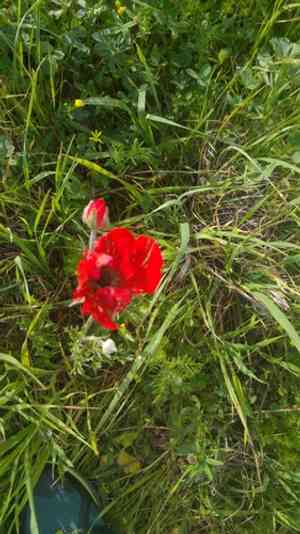
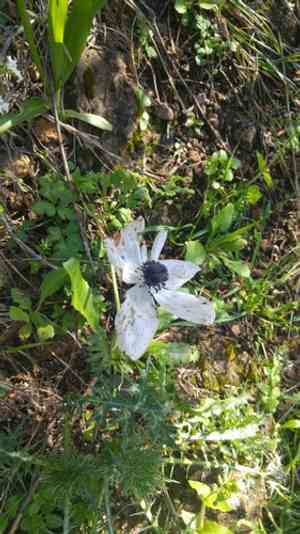
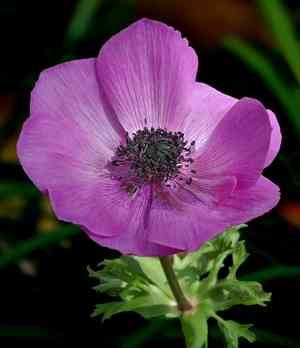
Cup-shaped flowers with diverse colors (red, white, purple, yellow-green), 1-2 inches (2.5-5 cm) diameter
2
Finely divided leaves, deeply lobed with lacy appearance, rich green color, up to 4 inches (10 cm)
3
Dry achene fruit with plumose tails, wind dispersal, feather-like tails 0.8-1.5 inches (20-40 mm)
4
Spring bloomer, 10-12 inches tall (25-30 cm), thriving in fluctuating temperatures, lively presence
5
Petals surround dark center, numerous stamens, light delicate scent, appealing to people and pollinators

Scientific Classification of Poppy anemone

Phylum
Vascular plants
Class
Dicotyledons
Order
Ranunculales
Family
Buttercup
Genus
Windflowers
Species
Poppy anemone

Planting and Growing of Poppy anemone

Care Difficulty
Moderate
Watering Schedule
Every 2 days
Sunlight Requirements
Full sun
Sunshine Duration
4-8 hours
Ideal Temperature
60-70℉
Soil Type
Potting Mix, Peat Mix
Soil pH
6.5-7.5
Fertilizer Type
Balanced
Pruning Season
Spring, Summer
Pruning Area
Branches, Leaves
Pruning Frequency
Once a year
Repotting Season
Spring
Pot Type
Plastic, Terracotta

water icon How to Water Poppy anemone?

Anemone coronaria requires watering that moistens the soil without leaving it soggy. Approximately 250 ml per watering session ensures proper moisture retention while avoiding root rot.
What are the symptoms of an underwatered Poppy anemone?
What should I do if my Poppy anemone is not getting enough water?
What are the symptoms of an overwatered Poppy anemone?
How to save an overwatered Poppy anemone?
More About Watering Techniques

sunlight icon What Are the Sunlight Requirements for Poppy anemone?

Sunlight Requirements: Full sun, Partial sun
Duration of light: 4 to 8 hours daily
An ideal light range for Anemone coronaria consists of full sun to partial sun exposure. Ensuring appropriate light intensity promotes optimal flowering and maintains robust foliage coloration.
What is the best light condition for Anemone coronaria?
How can I achieve the ideal light conditions for Anemone coronaria?
What are the benefits of providing optimal sunlight to Anemone coronaria?
More About Sunlight Requirements Techniques

temperature icon What Is the Ideal Temperature Range for Poppy anemone?

Ideal Temperature: 60 ~ 70℉
Anemone coronaria thrives best in temperatures ranging from 60°F to 70°F. This range provides the optimal environment for plant growth, ensuring the right balance between warmth and coolness. This temperature range supports the full development of the flowers, allowing them to bloom vibrantly and maintain their health. It is important to keep the temperature stable within this range to prevent any stress that might affect flowering and overall plant vigor.

soil icon What Soil is Best for Poppy anemone?

Soil type: Sandy loam, Loam
Soil PH: 6.5 ~ 7.5
Anemone coronaria thrives in well-drained soils, preventing root rot and ensuring healthy growth. Excellent drainage allows the roots to breathe and absorb nutrients more efficiently, promoting vibrant blooms. Loam soil enriched with organic matter is ideal as it provides necessary nutrients. This balanced nutrient availability supports robust plant development and results in more blooms and improved plant health. While drainage is crucial, Anemone coronaria also requires evenly moist soil. Consistent moisture aids in blooming longevity and prevents stress, which could hinder flower production. More About Soil

fertilize icon How to Fertilize Poppy anemone?

Fertilizer type: Balanced
Anemone coronaria benefits from a balanced fertilization approach. For liquid fertilizers, typically apply about 100-150 ml per plant in liquid form at the recommended dilution, ensuring the nutrients are adequately absorbed without overwhelming the plant's system. Solid, slow-release fertilizers should be used sparingly and directly into the soil, around 5-10 grams per plant to maintain nutrient balance over time. More About Fertilizing Techniques

prune icon How to Prune Poppy anemone?

Pruning Time: Spring, Summer, Autumn, Winter
Begin by identifying and removing any spent or faded flowers to encourage more blooms. Cut just above the first set of healthy leaves. This helps redirect energy to new growth rather than seed production. Inspect your Anemone coronaria for any dead or dying leaves. Trim these away at the base of the stem to allow the plant to focus its energy on producing healthy foliage and flowers. When pruning, do not remove all foliage at once. Gradual trimming will prevent shock and help maintain the balance of energy within the plant. More About Pruning Techniques

propagate icon How to Propagate Poppy anemone plant?

Propagate Time: Early spring, Late spring
1
Begin by sowing Anemone coronaria seeds in seed trays filled with well-draining soil, pressing them lightly into the surface. Cover the seeds lightly with soil and keep the tray in a warm location. Germination can take several weeks, so patience is necessary during this phase.
2
To propagate through division, carefully dig up a mature Anemone coronaria plant during the early spring. Use a clean, sharp knife to divide the tubers, ensuring each piece has at least one healthy bud. Replant the divisions promptly at the same depth they were growing previously.
3
Once Anemone coronaria seedlings have developed a couple of true leaves, they are ready for transplanting into the garden. Harden them off over a week by slowly acclimatizing them to outdoor conditions. Ensure the soil is enriched, well-draining, and plant seedlings at an appropriate spacing to allow growth.
More About Propagating Techniques

repot icon How to Repot Poppy anemone plant?

Repotting frequency: Every 2-3 years
1
Repot Anemone coronaria when you notice roots growing through the drainage holes, indicating that the plant has outgrown its pot. Alternatively, if the plant's growth seems stunted or it exhibits signs of water retention or soil decomposition, these are cues to consider repotting for healthier growth.
2
Select a pot that is one size larger than the current pot, preferably with drainage holes at the bottom. This new size will give your plant ample room to grow without overwhelming it. A well-drained pot helps prevent waterlogging, a condition anemones detest, promoting optimal root health and plant stability.
3
Opt for a well-draining, sandy loam soil that contains a good mix of organic material. This type of soil prevents water retention while providing essential nutrients, fostering a balanced growth environment. Such soil mimics their natural habitat, enabling Anemone coronaria to thrive post-repotting.

PlantJoy - Identify plants with a snap

Find the best spots for them to optimize their health, simply using your phone.

Try for Free

Toxicity of Poppy anemone

Is Poppy anemone toxic to humans?

The Poppy anemone is extremely toxic, featuring a compound known as protoanemonin, making it advisable to avoid this plant altogether. Every part of the fresh plant holds poisonous properties if consumed. Nevertheless, adverse effects primarily occur only with significant ingestion. Consuming large quantities can lead to severe discomfort and irritation in the oral cavity, along with gastrointestinal disturbances like vomiting, diarrhea, and stomach pain. Additionally, contact with the sap of the Poppy anemone can trigger dermatitis, often leading to blistering and inflammation.

Is Poppy anemone toxic to cat?

The poppy anemone presents a significant toxicity risk to cats, as even minimal ingestion can lead to health issues due to the likelihood of accidental consumption. Every portion of the poppy anemone—encompassing the flowers, fruits, leaves, roots, seeds, stems, and bark—harbors harmful compounds that can cause physical discomfort or illness in cats. Symptoms may differ but frequently manifest as gastrointestinal disturbances or neurological distress. Should a cat consume any part of the poppy anemone, it is crucial to urgently seek veterinary care.

Is Poppy anemone toxic to dog?

The poppy anemone is recognized as a plant toxic to dogs. Canines may experience poisoning if they inadvertently consume this plant. Every part of the poppy anemone, including its flowers, fruits, leaves, roots, seeds, stems, and bark, contains harmful substances that can adversely affect a dog's well-being. Signs of poisoning in dogs can manifest as gastrointestinal distress, lethargy, tremors, seizures, or other alarming symptoms, depending on the quantity ingested. It is essential for dog owners to safeguard their pets from coming into contact with poppy anemone and to vigilantly observe them for any abnormal behaviors that could signal poisoning. Should ingestion of poppy anemone be suspected, swift veterinary intervention is vital to ensure the best possible recovery for the impacted dog.

Identify toxic plants for your safety

Learn which plants are harmful to you and your pets, and make informed choices for a safer home!

Try for Free
WARNING
The judgment on toxicity and danger is for reference only. We DO NOT GUARANTEE any accuracy of such judgment. Therefore, you SHALL NOT rely on such judgment. It is IMPORTANT TO SEEK PROFESSIONAL ADVICE in advance when necessary.
More About Toxic Techniques