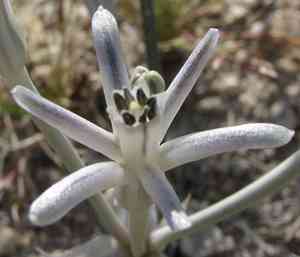
Pink funnel lily (Androstephium breviflorum)
Also known as: Small-flowered androstephium
Androstephium breviflorum is a perennial herb that emerges from a round corm. It features an inflorescence on a peduncle that can reach up to 30 centimeters in height, bearing up to 12 funnel-shaped flowers that are white to light lavender and measure about one to two centimeters in length. This plant typically blooms from spring to early summer. Its fruit is a small, 3-lobed capsule, slightly over a centimeter in length.
In This Article
Attributes of Pink funnel lily
Lifespan
Perennial
Plant Type
Herb
Plant Height
0 mm to 30 cm
Spread
N/A
Leaf Color
Green
Flower Size
2.5-4 cm
Flower Color
Purple to lavender
Images of Pink funnel lily
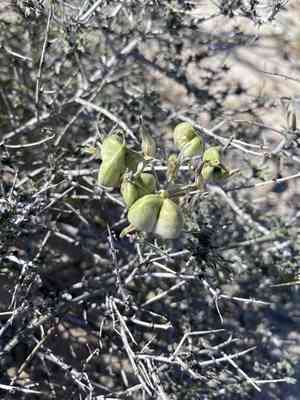
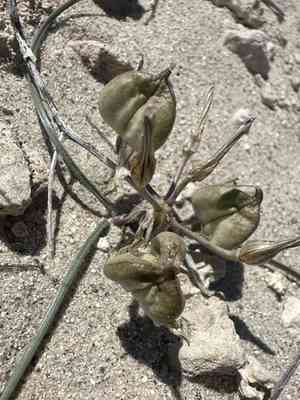
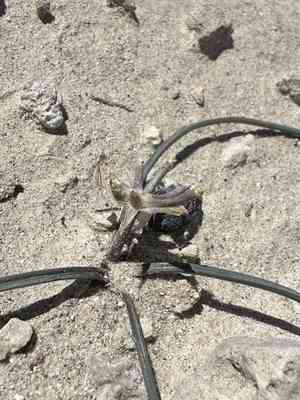
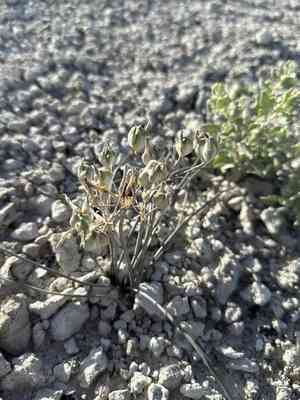
Quickly Identify Pink funnel lily
1
Identifying Androstephium breviflorum involves looking for its characteristic star-shaped, purple-to-lavender flowers. The plant usually has narrow, grass-like leaves and can grow up to 10-20 cm in height.
Scientific Classification of Pink funnel lily
Phylum
Vascular plants
Class
Monocotyledons
Order
Asparagales
Family
Asparagus
Genus
Funnel lily
Species
Pink funnel lily
Planting and Growing of Pink funnel lily
Care Difficulty
Moderate
Watering Schedule
Every 2 days
Sunlight Requirements
Full sun
Sunshine Duration
4-8 hours
Ideal Temperature
65-75℉
Soil Type
Potting Mix, Peat Mix
Soil pH
6.5-7.5
Fertilizer Type
Balanced
Pruning Season
Spring, Summer
Pruning Area
Branches, Leaves
Pruning Frequency
2 times a year
Repotting Season
Spring
Pot Type
Plastic, Ceramic
 How to Water Pink funnel lily?
For Androstephium breviflorum, watering should provide enough moisture to the soil while avoiding waterlogging. A moderate amount of about 250 milliliters is adequate to keep the soil slightly moist but well-drained. It's crucial to water slowly, allowing the soil to absorb water evenly.
What are the symptoms of an underwatered Pink funnel lily?
›
What should I do if my Pink funnel lily is not getting enough water?
›
What are the symptoms of an overwatered Pink funnel lily?
›
How to save an overwatered Pink funnel lily?
›
 What Are the Sunlight Requirements for Pink funnel lily?
Androstephium breviflorum prefers full sun to partial sun exposure. Ideal light conditions encourage vibrant growth, flowering, and coloration with proper sunlight, improving its resilience and ability to thrive in its growing environment.
Where should I position my Androstephium breviflorum?
›
How to ensure consistent lighting for optimal health?
›
What are the benefits of ideal sunlight?
›
 What Is the Ideal Temperature Range for Pink funnel lily?
The ideal temperature range for cultivating Androstephium breviflorum is between 65°F and 75°F. This range ensures optimal growth conditions, promoting healthy foliage development and robust root systems. Maintaining temperatures within this range provides the best environment for photosynthesis and nutrient absorption, crucial for the plant's overall health and flowering potential.
 What Soil is Best for Pink funnel lily?
Androstephium breviflorum thrives in well-drained soil because excess water can lead to root rot. This quality improves aeration, allowing roots to access oxygen and nutrients efficiently. This plant prefers soils with low organic matter. Excessive organic content can retain too much moisture, which is detrimental to the plant's survival. Adapted to nutrient-poor soils, the plant doesn't require frequent fertilization, reducing maintenance and improving plant authenticity in its natural habitat.
 How to Fertilize Pink funnel lily?
For Androstephium breviflorum, a light application of fertilizer is recommended. Use half the strength of the recommended dose for all-purpose plant food to prevent over-fertilization. Typically, about a quarter cup of liquid fertilizer solution per plant will suffice during the growing season.
 How to Prune Pink funnel lily?
Begin by using clean, sharp pruning shears to remove any damaged or dead leaves and stems. Trimming should be done just above the node or the base of a leaf to encourage new growth. Always cut at a 45-degree angle to prevent water from accumulating on the cut surface, reducing the risk of rot. In spring, focus on removing winter damage and shaping the plant. During summer, prune to maintain the size and facilitate air circulation by selectively thinning crowded areas. Ensure to avoid excessive cutting during summer to prevent undue stress on the plant.
More About Pruning Techniques→
 How to Propagate Pink funnel lily plant?
1
Fill seed trays with potting mix, ensuring soil is evenly spread. Lightly press down to remove air pockets. Proper preparation reduces stress on germinating seeds.
2
Scatter Androstephium breviflorum seeds evenly across the soil surface, then lightly cover with a thin layer of soil. Ensure seeds are not buried too deeply to aid in successful germination.
3
Gently water the seeds, using a spray bottle to prevent disrupting them. Maintain consistent moisture without overwatering to ensure seeds do not drown or dry out.
 How to Repot Pink funnel lily plant?
1
Repot Androstephium breviflorum when you notice the roots growing out of the drainage holes, indicating the plant is becoming root-bound. Additionally, if the plant's growth appears stunted or the soil doesn't retain water as effectively, it's time for a change.
2
Select a pot that is only slightly larger than the current one, with adequate drainage holes to prevent waterlogging. A pot that's too large might retain excess moisture, creating an unfavorable environment for the roots and potentially leading to rot.
3
Opt for well-draining sandy loam soil that mimics the plant's natural habitat. This type of soil ensures effective drainage and aeration, preventing root rot and promoting healthy growth by allowing roots to breathe.
Learn More About Pink funnel lily Diseases
Anthracnose
Bacterial Leaf Spot
Bacterial Soft Rot
Bacterial Wilt
Chemical Injury
Crown Gall
Cyst Nematode
Damping-off
Downy Mildew
Drought Stress
Fusarium Wilt
Gray Mold
Leaf Spot
Mosaic
Nutrient Deficiency
Nutrient Toxicity
Powdery Mildew
Root Rot
Root-knot Nematode
Rusts
Sooty Mold
Spider Mites
Temperature Stress
Thrips Damage
White Mold



