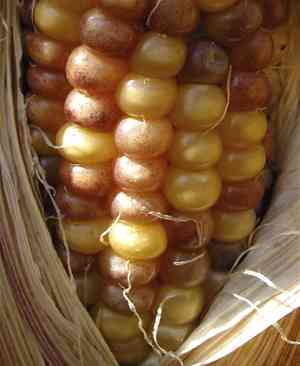
Elliott's bluestem (Andropogon gyrans)
Also known as: Elliott beardgrass
Elliott's bluestem (Andropogon gyrans) is a perennial bunchgrass that is often rust-colored. It thrives in moist woodlands, sand-hills, fields, and disturbed areas. Small animals frequently find shelter in its foliage, which remains through the winter.
In This Article
Attributes of Elliott's bluestem
Lifespan
Perennial
Plant Type
Grass
Plant Height
90-120 cm
Spread
30-60 cm
Leaf Color
Green Blue
Flower Size
Not applicable
Flower Color
White Green Cream
Images of Elliott's bluestem
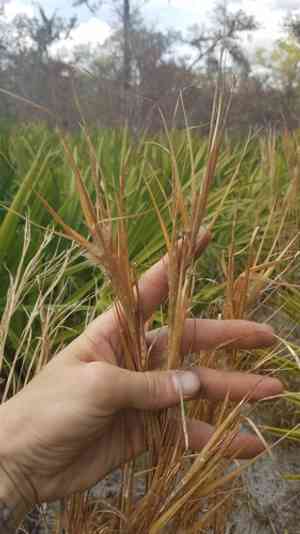
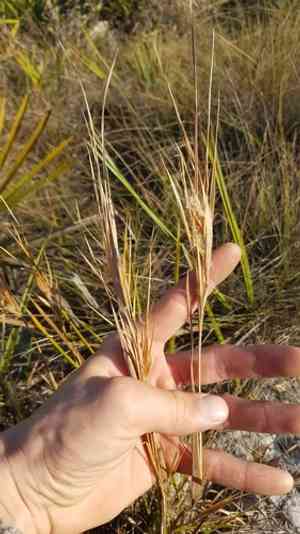
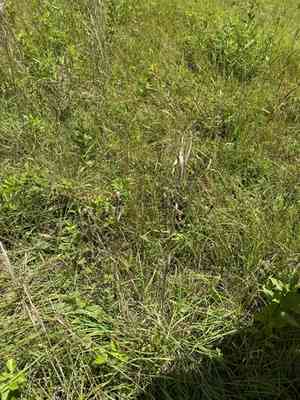
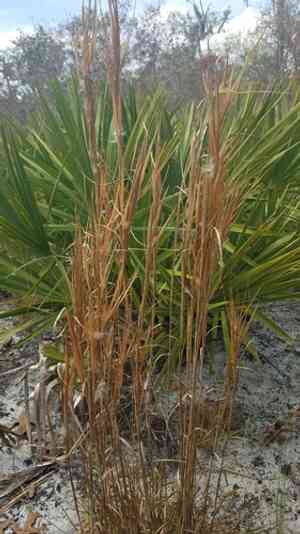
Quickly Identify Elliott's bluestem
1
Slender stems reaching 2-5 feet (60-150 cm), transitioning to coppery hue in fall.
2
Intricate, purplish seed heads, resilient foliage through winter.
3
Wispy, grass-like flowers in terminal axillary panicles, swaying gracefully in wind.
4
Grains enclosed in distinctive raceme seedhead with rusty-hued pedunculated spathe.
5
Linear basal and stem leaves, vibrant green with parallel veins, up to 10 inches (25 cm) long.
Scientific Classification of Elliott's bluestem
Phylum
Vascular plants
Class
Monocotyledons
Order
Poales
Family
Grass
Genus
Bluestem grass
Species
Elliott's bluestem
Planting and Growing of Elliott's bluestem
Care Difficulty
Easy
Watering Schedule
Every 3 days
Sunlight Requirements
Full sun
Sunshine Duration
6-10 hours
Ideal Temperature
70-85℉
Soil Type
Potting Mix, Peat Mix
Soil pH
6.5-7.5
Fertilizer Type
Balanced
Pruning Season
Spring, Summer
Pruning Area
Branches, Leaves
Pruning Frequency
2 times a year
Repotting Season
Spring
Pot Type
Plastic, Ceramic
 How to Water Elliott's bluestem?
Water Andropogon gyrans until the soil feels evenly moist but not soggy. It is crucial to ensure that the water penetrates deeply into the root zone without leaving standing water on the surface. Approximately 250 ml per watering session should suffice, guided by the principle of keeping the soil consistently damp without overloading it.
What are the symptoms of an underwatered Elliott's bluestem?
›
What should I do if my Elliott's bluestem is not getting enough water?
›
What are the symptoms of an overwatered Elliott's bluestem?
›
How to save an overwatered Elliott's bluestem?
›
 What Are the Sunlight Requirements for Elliott's bluestem?
Andropogon gyrans thrives in full sun to partial sun conditions. This range ensures robust growth and optimal health by supporting its photosynthetic needs and maintaining structural integrity.
What is the ideal amount of sunlight for Andropogon gyrans?
›
How can I achieve ideal lighting for Andropogon gyrans indoors?
›
What benefits does ideal sunlight bring to Andropogon gyrans?
›
 What Is the Ideal Temperature Range for Elliott's bluestem?
Andropogon gyrans thrives best in warm climates with temperatures ranging from 70°F to 85°F. This range encourages optimal growth, ensuring the plant’s physiological processes such as photosynthesis and respiration operate efficiently. It is crucial to maintain this temperature range for the plant to exhibit its best growth characteristics.
 What Soil is Best for Elliott's bluestem?
Andropogon gyrans thrives in well-drained soils that prevent waterlogging, which can lead to root rot. Good drainage ensures robust root health and promotes vigorous growth. This plant prefers soils rich in organic matter, providing essential nutrients for optimal growth. A balanced nutrient-rich soil supports lush foliage and healthy plant development. The ideal soil has a loose, crumbly texture, allowing roots to penetrate easily and promoting excellent aeration. This results in healthier roots and a more resilient plant.
 How to Fertilize Elliott's bluestem?
For Andropogon gyrans, applying a balanced liquid fertilizer at half the recommended strength can nourish it well during its growing season. Be cautious not to over-fertilize, as this can cause nutrient burn.
 How to Prune Elliott's bluestem?
Start by examining your Andropogon gyrans for any dead, diseased, or damaged stems. These should be your primary targets for removal, as eliminating them can improve airflow and contribute to the plant's overall health. Prune back the grass heavily during its dormant season—typically in early spring. This timing allows the plant to conserve energy and direct it towards vigorous new growth as the season changes. To keep a desirable and natural shape, follow the plant's round form when trimming. This approach ensures that your Andropogon gyrans maintains its appealing clump-like appearance without becoming uneven or ragged.
More About Pruning Techniques→
 How to Propagate Elliott's bluestem plant?
1
Collect seeds from a mature Andropogon gyrans plant during the autumn. Sow them in a tray filled with well-draining potting mix. Lightly cover the seeds with a thin layer of soil and water gently. Place the tray in a warm area with indirect sunlight, keeping the soil consistently moist until germination.
2
In early spring, gently uproot a mature plant. Use a sharp knife to divide its root ball into smaller sections, ensuring each has shoots and roots attached. Replant each division into a pot with suitable potting mix, watering them thoroughly post-planting to encourage root establishment.
3
Whether growing from seeds or divisions, the newly planted Andropogon gyrans requires consistent watering. The soil should be kept moist but not waterlogged, as excessive moisture can lead to root rot. Gradually reduce watering frequency as the plants establish.
 How to Repot Elliott's bluestem plant?
1
Andropogon gyrans shows signs of requiring repotting when its roots start circling the bottom of the pot or poking out of drainage holes. Additionally, if you notice water draining too quickly or the plant showing stunted growth, it's a signal that it needs more room to grow or a rejuvenated soil environment.
2
Choose a pot with drainage holes that is slightly larger than the current one to provide adequate growing space. A too-large pot can lead to excessive moisture retention, while a too-small pot might constrain root growth. Terra-cotta pots are excellent as they promote soil aeration, benefiting the root system.
3
Select a well-draining potting mix that is slightly acidic to neutral. This is crucial as it allows optimal water retention while preventing root rot. A mix of sand, peat, and garden loam with added perlite helps improve aeration and drainage, bolstering plant health and growth.



