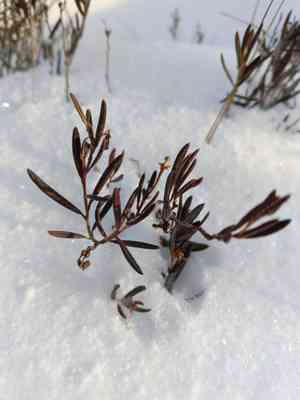
Andromeda (Andromeda) (Andromeda)
Also known as: Bog-rosemary
Andromeda plants, often referred to as "bog rosemary," are small plants native to cold-climate peat bogs. Their name comes from their visual similarity to the culinary herb rosemary, although they are toxic and not suitable for consumption. Despite their toxicity, their attractive flowers make them popular as ornamental plants, especially in their hybrid varieties.
In This Article
Attributes of Andromeda (Andromeda)
Lifespan
Andromeda, commonly known as Bog Rosemary, is a slow-growing perennial shrub.
Plant Height
0.2 to 0.6 meters
Spread
0.3 to 0.5 meters
Leaf Color
Green to blue-green
Flower Size
0.4 to 0.8 centimeters
Flower Color
Pink to white
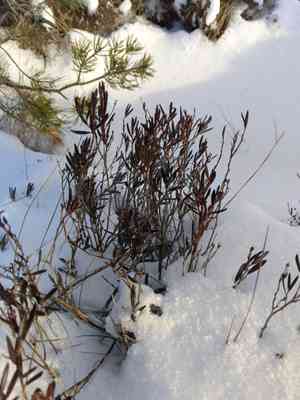
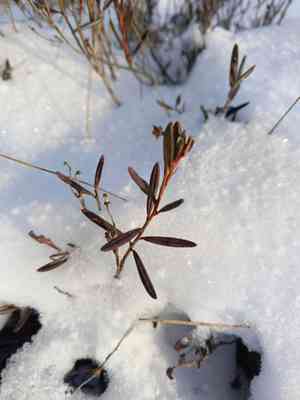
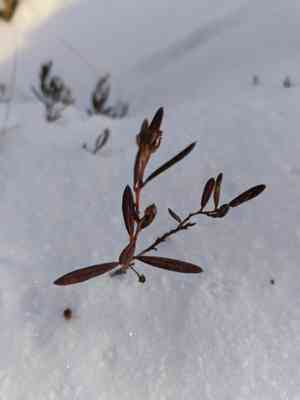
Images of Andromeda (Andromeda)
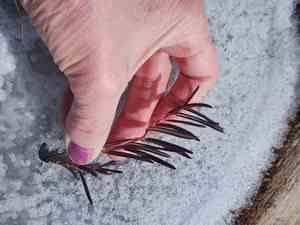
Quickly Identify Andromeda (Andromeda)
1
Identify Andromeda by its narrow, leathery leaves which are often revolute (edges rolled under). The small, bell-shaped flowers are usually pink to white, and the plants often grow in moist, acidic environments like bogs.
Scientific Classification of Andromeda (Andromeda)
Phylum
Magnoliophyta
Class
Magnoliopsida
Order
Ericales
Family
Ericaceae
Genus
Andromeda
Planting and Growing of Andromeda (Andromeda)
Care Difficulty
Moderate
Watering Schedule
Every 2 days
Sunlight Requirements
Partial sun
Sunshine Duration
6-12 hours
Ideal Temperature
60-70℉
Soil Type
Potting Mix, Peat Mix
Soil pH
4.5-6
Fertilizer Type
Balanced
Pruning Season
Spring, Summer
Pruning Area
Branches, Leaves
Pruning Frequency
Once a year
Repotting Season
Spring
Pot Type
Plastic, Ceramic
 How to Water Andromeda (Andromeda)?
Andromeda requires a careful watering schedule to mimic its natural habitat. The aim is to keep the soil consistently moist but not soggy. You should provide approximately 500 milliliters of water each session to maintain the ideal moisture level, ensuring the top layer of soil is damp, but water doesn't pool at the bottom.
What are the symptoms of an underwatered Andromeda (Andromeda)?
›
What should I do if my Andromeda (Andromeda) is not getting enough water?
›
What are the symptoms of an overwatered Andromeda (Andromeda)?
›
How to save an overwatered Andromeda (Andromeda)?
›
 What Are the Sunlight Requirements for Andromeda (Andromeda)?
Andromeda thrives best in partial sun to full shade, ensuring it receives filtered sunlight. This balances its moisture needs and protects its delicate leaves, promoting lush growth.
Optimal Sunlight Exposure
›
Maintain Vibrant Foliage
›
Balancing Light and Shade
›
 What Is the Ideal Temperature Range for Andromeda (Andromeda)?
The ideal temperature range for Andromeda lies between 60°F and 70°F. Within this range, the plant thrives, showing optimal growth and vibrant foliage. This range allows for proper metabolic processes and energy conservation, ensuring healthy development and bloom.
 What Soil is Best for Andromeda (Andromeda)?
Andromeda plants thrive in consistently moist conditions. The soil needs to retain moisture yet drain well to prevent waterlogging, ensuring robust root development and overall plant health. Rich in organic material, the soil enhances nutrient availability, promoting vigorous growth and vibrant foliage. Compost or well-rotted manure can be mixed into the soil for added benefits. They prefer acidic soil, which allows for optimal nutrient absorption. Maintaining the soil pH between 4.5 and 6.0 ensures healthy growth and prevents nutrient deficiencies.
 How to Fertilize Andromeda (Andromeda)?
For Andromeda, it is essential to apply the right amount of fertilizer to support its growth and blooming cycle. During the active growing season, use a balanced liquid fertilizer at half the recommended strength. Too much fertilizer can cause salt build-up in the soil, while too little will not provide the nutrients needed for optimal growth.
 How to Prune Andromeda (Andromeda)?
Start by removing any dead, broken, or damaged branches. This step is essential as it allows the plant to focus its energy on producing new growth, rather than trying to revive dead sections. Look for branches that don't have leaves or that appear discolored and wilted. To encourage a pleasing shape, focus on thinning out any overcrowded areas within the plant. Remove branches that cross each other or grow inward towards the center. This not only enhances the plant’s appearance but also improves air circulation, reducing the risk of mildew and disease. When you cut, make sure to do so just above a leaf bud facing the direction you want the new growth to follow. This technique helps direct the plant's growth, ensuring it remains full and balanced. Make sure your cuts are clean and at a slight angle to prevent water from collecting on the cut surface. Avoid cutting the plant back too drastically. While it’s important to shape and maintain its size, severe pruning can stress the plant and delay bloom production. If the plant has become too leggy or overgrown, consider spreading the pruning process over a few seasons to minimize shock.
 How to Propagate Andromeda (Andromeda) plant?
1
Choose mature, healthy shoots from the plant to prepare cuttings. Make sure each cutting is about 4-6 inches long and has several leaves. Remove the leaves from the lower half to reduce moisture loss and focus energy on root development.
2
If propagating through seeds, ensure the seeds are fresh. Sow them in seed trays filled with a mixture of sand and peat. Maintain the soil moist until germination occurs, which usually takes several weeks depending on the environmental conditions.
3
For layering, select a flexible, healthy stem and bend it to the ground. Remove leaves from the section that will be buried and wound it slightly. Cover it with soil and secure with a pin or small rock until roots develop over the months.
 How to Repot Andromeda (Andromeda) plant?
1
It's time to repot Andromeda when you see roots coming out of the drainage holes or if the plant seems to be stunted and not growing well. Additionally, if water runs straight through the pot or if the soil appears compacted, it's a sign that repotting is needed.
2
Select a pot that is one size larger than the current one, with good drainage holes at the bottom. The extra space allows for root expansion and better aeration, which promotes healthier growth. Avoid overly large pots to prevent waterlogging.
3
Choose soil that is acidic and well-draining, such as a mix of peat, sand, and pine bark. This mimics the plant's natural habitat, ensuring that the roots receive enough air and moisture without waterlogging, which can lead to root rot.
Toxicity
Ingestion of plant parts, especially the leaves and nectar
WARNING
The judgment on toxicity and danger is for reference only. We DO NOT GUARANTEE any accuracy of such judgment. Therefore, you SHALL NOT rely on such judgment. It is IMPORTANT TO SEEK PROFESSIONAL ADVICE in advance when necessary.

