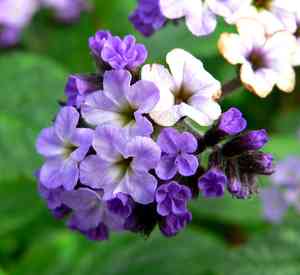
Western hound's tongue (Andersonglossum occidentale)
Also known as: Western hound's tongue
Western hound's tongue (Cynoglossum grande) is a perennial herb recognized for its large, heart-shaped leaves and clusters of blue to purplish, bell-shaped flowers. It typically blooms from spring to early summer. This plant favors shaded or semi-shaded environments with well-drained, moist soils and is commonly found in forests, woodlands, and along stream banks. It thrives in rich, organic soils and is frequently associated with oak and pine ecosystems across western North America, from British Columbia to California.
In This Article
Attributes of Western hound's tongue
Lifespan
Perennial
Plant Type
Herb
Plant Height
30-80 cm
Spread
Typically up to 30 cm
Leaf Color
Green
Flower Size
Approximately 1-1.5 cm
Flower Color
Blue
Images of Western hound's tongue
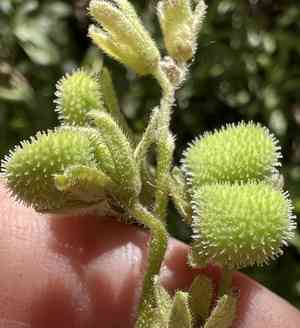
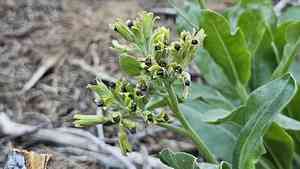
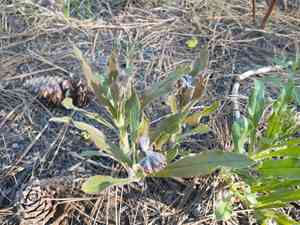
Quickly Identify Western hound's tongue
1
Identify Andersonglossum occidentale by its elongated, tongue-shaped leaves, vibrant blue flowers arranged in coiled inflorescences, and hairy stems. The calyx is divided nearly to the base.
Scientific Classification of Western hound's tongue
Phylum
Vascular plants
Class
Dicotyledons
Order
Boraginales
Family
Borage
Genus
American Comfreys
Species
Western hound's tongue
Planting and Growing of Western hound's tongue
Care Difficulty
Moderate
Watering Schedule
Every 2 days
Sunlight Requirements
Partial sun
Sunshine Duration
4-8 hours
Ideal Temperature
60-75℉
Soil Type
Potting Mix, Peat Mix
Soil pH
6.5-7.5
Fertilizer Type
Balanced
Pruning Season
Spring, Summer
Pruning Area
Branches, Leaves
Pruning Frequency
2 times a year
Repotting Season
Spring
Pot Type
Plastic, Ceramic
 How to Water Western hound's tongue?
For Andersonglossum occidentale, ensure the soil is thoroughly moistened but not waterlogged. Aim to administer approximately 250 ml of water per session to maintain optimal hydration without oversaturation. The goal is to allow water to permeate through the soil evenly ensuring roots receive sufficient moisture. Observe how quickly the soil dries; this is crucial in determining if your watering strategy is on point.
What are the symptoms of an underwatered Western hound's tongue?
›
What should I do if my Western hound's tongue is not getting enough water?
›
What are the symptoms of an overwatered Western hound's tongue?
›
How to save an overwatered Western hound's tongue?
›
 What Are the Sunlight Requirements for Western hound's tongue?
Partial sun, where the plant receives 4 to 6 hours of sunlight daily, suits Andersonglossum occidentale ideally. This ensures robust growth, vibrant foliage, and effective disease resistance.
What is the best lighting situation for Andersonglossum occidentale?
›
How can I ensure Andersonglossum occidentale receives ideal lighting?
›
What are the benefits of providing Andersonglossum occidentale with ideal lighting?
›
 What Is the Ideal Temperature Range for Western hound's tongue?
The ideal temperature range for Andersonglossum occidentale is between 60°F and 75°F. This range allows the plant to thrive by ensuring the right balance of warmth for photosynthesis and growth. Maintaining temperatures within this range helps to optimize the plant’s metabolic processes and promotes healthy foliage and flower production.
 What Soil is Best for Western hound's tongue?
Andersonglossum occidentale thrives best in well-drained soil to prevent root rot. This characteristic allows excess water to escape, ensuring the plant's roots get the right amount of moisture without being waterlogged, which in turn promotes healthier and more robust growth. This plant prefers soil rich in organic matter, which provides essential nutrients for its development. By fulfilling this requirement, you aid in the plant's vigorous growth and enhance its ability to produce flowers, thus achieving lush foliage. A neutral pH allows the plant to absorb nutrients effectively. Ensuring the soil maintains this balance means Andersonglossum occidentale can access crucial minerals, improving resilience and reducing the chance of nutrient deficiencies.
 How to Fertilize Western hound's tongue?
For Andersonglossum occidentale, it's important to strike a balance when it comes to fertilizer quantity. In general, use a diluted liquid fertilizer at half-strength during the growing season. Over-fertilizing can damage the roots and lead to stunted growth, while insufficient nutrients can result in pale leaves and reduced vigor.
 How to Prune Western hound's tongue?
Start by examining the plant and spotting any branches that appear dead, diseased, or damaged. Cut these branches back to the main stem or to a healthy bud. This helps channel the plant's energy into producing new growth. Trim branches that are too long or growing in unwanted directions. Cut just above a leaf node or bud to encourage bushier growth. Maintaining a balanced shape helps light penetrate the plant evenly, promoting overall health.
More About Pruning Techniques→
 How to Propagate Western hound's tongue plant?
1
Collect mature seeds from healthy plants in late autumn before winter dormancy sets in. Clean and dry the seeds thoroughly before storing them in a cool, dark place.
2
Select healthy, semi-hardwood stems from the mother plant. Cut 4-6 inch segments with at least two nodes, and remove the leaves from the lower half.
3
For seeds, plant them in a shallow tray filled with sterile potting medium. For cuttings, dip the ends in rooting hormone before planting in the medium.
 How to Repot Western hound's tongue plant?
1
Recognize the right time to repot Andersonglossum occidentale by observing root growth through the pot's drainage holes or when the plant shows stunted growth. This signals that it's time for a more spacious environment. Spring and early summer are ideal for repotting, as the plant will have ample time to recover and strengthen during the growing season.
2
Select a pot that is one size larger and features adequate drainage holes. This promotes healthy root development and prevents waterlogging, which can lead to root rot. A pot that fits comfortably without overwhelming the plant ensures that energy is directed toward growth rather than adjusting to an excessively large container.
3
Opt for a well-draining potting mix ideally formulated for perennials, maintaining a balance of moisture and aeration for the roots. This type of soil helps prevent water stagnation and keeps the roots healthy and hydrated, facilitating better nutrient uptake and robust plant health.
Learn More About Western hound's tongue Diseases
Anthracnose
Bacterial Leaf Spot
Bacterial Wilt
Black Spot
Chemical Injury
Crown Gall
Cyst Nematode
Damping-off
Downy Mildew
Drought Stress
Fusarium Wilt
Gray Mold
Leaf Spot
Mosaic
Nutrient Deficiency
Nutrient Toxicity
Powdery Mildew
Root Rot
Root-knot Nematode
Rusts
Sooty Mold
Spider Mites
Temperature Stress
Thrips Damage
White Mold


