
Pineapple (Ananas comosus)
Also known as: Pina
Papaya is a tropical plant that grows relatively short. Its fruit contains a sweet, aromatic, golden-yellow pulp that is highly nutritious. The fruit is rich in vitamins A and C and is enjoyed by many for its delicious flavor.
In This Article
Attributes of Pineapple
Lifespan
Perennial, Annual
Plant Type
Herb
Plant Height
1 m to 1.5 m
Spread
90 cm to 1.2 m
Leaf Color
Green Red
Flower Size
2 cm
Flower Color
Purple Red Yellow
Images of Pineapple


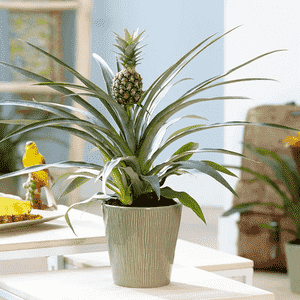
Quickly Identify Pineapple
1
Long sword-shaped leaves up to 30 inches (76 cm) long with needle-like tips.
2
Unique hexagonal-patterned fruit skin, reaching up to 12 inches (30 cm) long and 6 inches (15 cm) wide.
3
Erect flower cluster on 20-inch (50 cm) stalk, each flower with 3 sepals, 3 petals, and 6 stamens.
4
Basal leaves 1.6-3.3 feet (50-100 cm) long, rigid, with spiny margins, forming a rosette pattern.
5
Thick stem, 1 inch (2.5 cm) in diameter, rough texture, often concealed by clustered leaves.
Scientific Classification of Pineapple
Phylum
Vascular plants
Class
Monocotyledons
Order
Grasses, sedges and allies
Family
Bromeliad
Genus
Pineapples
Species
Pineapple
Planting and Growing of Pineapple
Care Difficulty
Easy
Watering Schedule
Every 3 days
Sunlight Requirements
Full sun
Sunshine Duration
4-8 hours
Ideal Temperature
68-86℉
Soil Type
Potting Mix, Peat Mix
Soil pH
4.5-6.5
Fertilizer Type
Balanced
Pruning Season
Spring, Summer
Pruning Area
Branches, Leaves
Pruning Frequency
2 times a year
Repotting Season
Spring
Pot Type
Plastic, Ceramic
 How to Water Pineapple?
When watering Ananas comosus, aim for a modest amount of about 250 milliliters per session. It's crucial to let the top layer of soil dry out between waterings to mimic the plant's natural tropical habitat and avoid waterlogging. Only water when the soil feels dry to the touch.
More About Watering Techniques→
What are the symptoms of an underwatered Pineapple?
›
What should I do if my Pineapple is not getting enough water?
›
What are the symptoms of an overwatered Pineapple?
›
How to save an overwatered Pineapple?
›
 What Are the Sunlight Requirements for Pineapple?
Ananas comosus ideally thrives in full sun conditions, receiving 6-8 hours daily. This ensures the plant remains healthy, with vibrant leaves and productive fruiting.
More About Sunlight Requirements Techniques→
What is the ideal sunlight for Ananas comosus?
›
How can I ensure Ananas comosus gets enough sun?
›
What benefits does ideal sun exposure provide?
›
 What Is the Ideal Temperature Range for Pineapple?
The ideal temperature range for growing Ananas comosus (pineapple) is between 68°F and 86°F. This range supports optimal growth and fruit development by providing consistent warmth, which facilitates cellular processes such as photosynthesis and nutrient uptake. This species thrives in tropical and subtropical climates where temperatures remain fairly stable throughout the growing season.
 What Soil is Best for Pineapple?
Ananas comosus thrives in well-drained soil to prevent root rot and other waterlogging issues. Well-draining conditions ensure the soil retains moisture without becoming oversaturated, which is crucial for healthy root development. The presence of organic matter in soil enhances nutrient availability, providing a fertile environment for Ananas comosus to grow robustly. Organic content improves soil structure and promotes beneficial microbial activity, both vital for vigorous plant growth. This plant prefers a slightly acidic soil pH between 4.5 and 6.5. Slightly acidic conditions help in the effective uptake of essential nutrients like iron and manganese, which are crucial for the plant's overall health and vibrant foliage.
More About Soil→
 How to Fertilize Pineapple?
For Ananas comosus, ensure proper feeding by using a balanced fertilizer. When using liquid fertilizer, dilute it to half the recommended strength. For solid fertilizer, use a handful per plant, avoiding contact with the stem.
More About Fertilizing Techniques→
 How to Prune Pineapple?
Start by cutting away any brown or dead leaves, cutting as close to the plant's base as possible. This helps to reduce the chances of fungal infections and allows the plant to breathe better. Look for any pups that are growing around the base of the main plant. These can be carefully cut out, using sharp shears, to encourage the main plant's healthy growth. Trim back any long or overgrown leaves. Aim to create a neat, compact shape. This not only gives the plant an attractive appearance but ensures sunlight reaches all parts of the plant evenly.
More About Pruning Techniques→
 How to Propagate Pineapple plant?
1
Choose a healthy Ananas comosus plant with mature crowns or saplings. Make sure the mother plant is free from pests and diseases to increase the success rate of propagation.
2
Use a sharp knife to cleanly cut off the crown from the fruit. Remove any fruit flesh and strip away some of the lower leaves, leaving enough leaves for photosynthesis. Allow the crown to dry for a day or two to prevent rot.
3
Fill a pot with a well-draining potting mix, such as one made from a combination of peat and sand. Water the potting medium lightly before planting the crown to ensure it is moist but not waterlogged.
 How to Repot Pineapple plant?
1
Repotting Ananas comosus, commonly known as pineapple plant, should be considered when you spot roots emerging through the drainage holes, the pot becoming too dense with roots, or if the plant seems to be growing slowly despite regular care. These are tell-tale signs indicating that it’s time for a larger home.
2
Choose a pot slightly larger than the current one with ample drainage holes. A pot that's too large can retain too much moisture, leading to root rot. Opt for a sturdy material to support the weight of the plant, ensuring stability and healthy root growth.
3
Opt for a well-draining potting mix, ideally one that is light and airy. This ensures that excess water does not accumulate, which can cause root rot. A suitable soil retains enough moisture for the plant while allowing excess to drain, fostering healthy root development.



