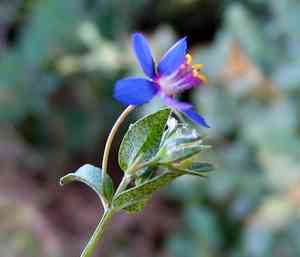
Anagallis (Anagallis) (Anagallis)
Also known as: Pimpernel, Scarlet Pimpernel
Anagallis, commonly known as pimpernel or scarlet pimpernel, is a genus of flowering plants in the primrose family. They are small, herbaceous plants often found in meadows and grasslands.
In This Article
Attributes of Anagallis (Anagallis)
Lifespan
Annual, Biennial
Plant Height
5-30 cm
Spread
N/A
Leaf Color
Green
Flower Size
1-2 cm
Flower Color
Red, Blue, Pink
Images of Anagallis (Anagallis)
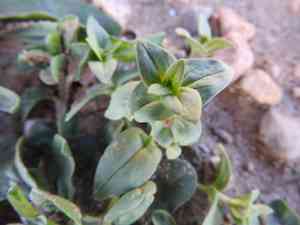
Quickly Identify Anagallis (Anagallis)
1
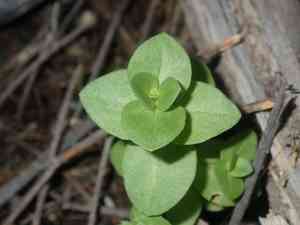
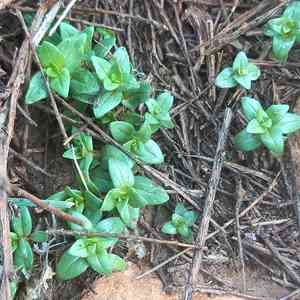
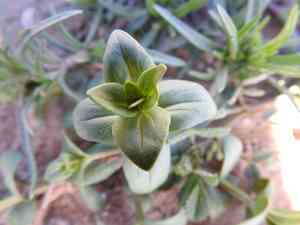
Anagallis can be identified by their small, star-shaped flowers which are usually red or blue in color, and their opposite or whorled leaves. The flowers typically close in dull weather or at night.
Scientific Classification of Anagallis (Anagallis)
Phylum
Tracheophyta
Class
Magnoliopsida
Order
Ericales
Family
Primulaceae
Genus
Anagallis
Planting and Growing of Anagallis (Anagallis)
Care Difficulty
Easy
Watering Schedule
Every 2 days
Sunlight Requirements
Partial sun
Sunshine Duration
6-8 hours
Ideal Temperature
60-75℉
Soil Type
Potting Mix, Peat Mix
Soil pH
6.5-7.5
Fertilizer Type
Balanced
Pruning Season
Spring, Summer
Pruning Area
Branches, Leaves
Pruning Frequency
Once a year
Repotting Season
Spring
Pot Type
Plastic, Ceramic
 How to Water Anagallis (Anagallis)?
Anagallis requires a moderate amount of water, approximately 250 ml per watering. It's essential to ensure that the soil is moist but not waterlogged. The soil should be allowed to dry slightly between waterings to avoid root rot, ensuring that the roots receive adequate oxygen.
What are the symptoms of an underwatered Anagallis (Anagallis)?
›
What should I do if my Anagallis (Anagallis) is not getting enough water?
›
What are the symptoms of an overwatered Anagallis (Anagallis)?
›
How to save an overwatered Anagallis (Anagallis)?
›
 What Are the Sunlight Requirements for Anagallis (Anagallis)?
Partial sun to full sun is ideal for Anagallis, supporting optimal photosynthesis and robust growth. Ensuring this light range prevents foliage damage and promotes vibrant blooms.
Optimal Sun Exposure
›
Balanced Light Conditions
›
Sunlight Adjustment Techniques
›
 What Is the Ideal Temperature Range for Anagallis (Anagallis)?
Anagallis thrives in a temperature range of 60°F to 75°F. This range supports optimal growth, as Anagallis is adapted to temperate conditions often found in its native habitat. Maintaining these temperatures ensures robust foliage and consistent flowering.
 What Soil is Best for Anagallis (Anagallis)?
Anagallis prefers well-drained soil which helps prevent root rot by allowing excess water to escape. This ensures healthy root development and promotes vibrant blooms. This plant thrives in soil with average fertility. This means it doesn't require rich, heavily amended soil, making it easier to maintain and ideal for cost-effective gardening. While drainage is crucial, the soil must also retain some moisture to keep the plant hydrated during dry spells. This balance aids in consistent growth and flowering.
 How to Fertilize Anagallis (Anagallis)?
For Anagallis, it's vital to use a balanced, diluted fertilizer mixture. Ideally, use a 10-10-10 NPK liquid fertilizer for a balanced nutrient supply. Use approximately half the recommended dosage mentioned on the bottle to prevent nutrient burn. This plant doesn't require heavy feeding, so be cautious with the quantity.
 How to Prune Anagallis (Anagallis)?
Begin by examining the Anagallis for any damaged or dead stems and flowers. Use sharp, sterilized pruning shears to carefully snip away these unhealthy parts. Next, trim back any overgrown branches to shape the plant, cutting just above a healthy leaf node to promote new, robust growth. Aim to maintain a rounded shape as this encourages even flowering and a pleasing aesthetic. After trimming your Anagallis, ensure it receives adequate water and sunlight. Pruning may cause initial stress, so pay attention to its hydration needs. Fertilize lightly if necessary to support recovery and boost growth. This maintenance will assist in rapid healing, keeping your plant healthy and thriving.
 How to Propagate Anagallis (Anagallis) plant?
1
Use a well-draining potting mix that retains some moisture but doesn't remain soggy. A mix of peat, perlite, and sand works well. Ensure the mixture is sterilized to prevent fungal diseases.
2
Sprinkle the Anagallis seeds evenly on the surface of the growing medium. Gently press them into the soil without covering them completely, as many species require light for germination. Water lightly to avoid washing away the seeds.
3
Select healthy, non-flowering stems on the plant and cut segments about 4-6 inches long. Remove the lower leaves to prevent rot, and dip the cut end in rooting hormone before planting in the prepared medium.
 How to Repot Anagallis (Anagallis) plant?
1
Look for signs when your Anagallis needs repotting. If roots are emerging from the drainage holes, it's a clear indicator that it's time to repot. Similarly, when the plant appears to be growing slower than usual or the soil dries out too quickly, these are signals that repotting is needed. Keep an eye out for these signs during the growth seasons.
2
Opt for a pot that is one size larger than the current one to give your Anagallis room to grow. Ensure it has good drainage holes to prevent waterlogging, which is fatal for the plant. The material of the pot should have good breathability, like clay or terracotta, allowing the soil to dry properly and roots to access oxygen.
3
Select a well-draining potting mix suitable for perennials. This type of soil will help prevent root rot by allowing excess water to escape easily. Including a mix of sand, peat, and perlite can ensure that the soil remains loose, promoting healthy root growth and ensuring optimal nutrient absorption.
Toxicity
Ingestion
WARNING
The judgment on toxicity and danger is for reference only. We DO NOT GUARANTEE any accuracy of such judgment. Therefore, you SHALL NOT rely on such judgment. It is IMPORTANT TO SEEK PROFESSIONAL ADVICE in advance when necessary.

