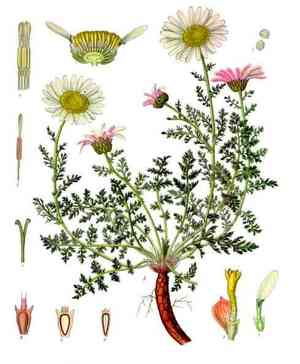
Anacyclus (Anacyclus) (Anacyclus)
Also known as: Roman Chamomile, Bitter Chamomile
Anacyclus, either annuals or herbaceous perennials, are grown for their delicate, fern-like foliage on spreading, radiating stems, and daisy-like blooms. These plants are indigenous to rocky or sandy terrains in regions such as southern and western Europe, North Africa, and the Middle East.
In This Article
Attributes of Anacyclus (Anacyclus)
Lifespan
Annual, Perennial
Plant Height
0.1 to 0.3 meters
Spread
0.1 to 0.2 meters
Leaf Color
Green
Flower Size
1 to 2 centimeters
Flower Color
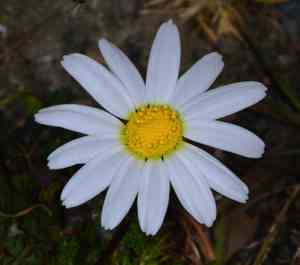
White petals with yellow centers
Images of Anacyclus (Anacyclus)
Quickly Identify Anacyclus (Anacyclus)
1
Identification of Anacyclus can be done through examining its small, daisy-like flowers with white petals and yellow centers. The leaves are usually feathery and finely divided.
Scientific Classification of Anacyclus (Anacyclus)
Phylum
Magnoliophyta
Class
Magnoliopsida
Order
Asterales
Family
Asteraceae
Genus
Anacyclus
Planting and Growing of Anacyclus (Anacyclus)
Care Difficulty
Moderate
Watering Schedule
Every 3 days
Sunlight Requirements
Full sun
Sunshine Duration
6-10 hours
Ideal Temperature
60-75℉
Soil Type
Potting Mix, Peat Mix
Soil pH
6.5-7.5
Fertilizer Type
Balanced
Pruning Season
Spring, Summer
Pruning Area
Branches, Leaves
Pruning Frequency
2 times a year
Repotting Season
Spring
Pot Type
Plastic, Ceramic
 How to Water Anacyclus (Anacyclus)?
For Anacyclus, watering should be guided by its native arid environment. Ensure the soil is barely moist, not drenched after watering. Use roughly 250 ml of water, allowing it to seep down without waterlogging the roots. This mimics the plant's natural urge for short but infrequent rainy episodes.
What are the symptoms of an underwatered Anacyclus (Anacyclus)?
›
What should I do if my Anacyclus (Anacyclus) is not getting enough water?
›
What are the symptoms of an overwatered Anacyclus (Anacyclus)?
›
How to save an overwatered Anacyclus (Anacyclus)?
›
 What Are the Sunlight Requirements for Anacyclus (Anacyclus)?
Anacyclus thrives in full to partial sun. Adequate sunlight allows robust flowering, supports structural growth, and boosts resistance against potential threats like pests and diseases.
Best time for sunlight
›
Solution to insufficient sunlight
›
Benefits of ideal sunlight
›
 What Is the Ideal Temperature Range for Anacyclus (Anacyclus)?
Anacyclus thrives in a temperature range of 60°F to 75°F. This range provides the most favorable conditions for photosynthesis and overall growth. Ensuring your plant is kept within these temperatures will lead to more vibrant foliage and blossoms.
 What Soil is Best for Anacyclus (Anacyclus)?
Anacyclus thrives in loose, well-drained soils, which prevent waterlogging and root rot. This type of soil ensures the efficiency of the plant's nutrient uptake, supporting robust growth and vibrant blooms. Incorporating organic matter into the soil enriches it with essential nutrients. Anacyclus benefits from balanced nutrition, promoting healthy foliage and strong root development which enhances its resilience. The soil should retain enough moisture to support the plant's needs without becoming too soggy. This balance is crucial for maintaining the plant's turgidity and preventing dehydration.
 How to Fertilize Anacyclus (Anacyclus)?
Anacyclus requires a delicate balance when it comes to fertilization. Typically, it's best to use a dilute concentration—about half the recommended dose of a general-purpose liquid fertilizer—during the growing season. Over-fertilization can lead to salt buildup, harming the plant.
 How to Prune Anacyclus (Anacyclus)?
Examine the plant and locate any particularly long or tangled stems. These are the primary candidates for pruning to promote a more compact shape. When pruning, make your cuts at a 45-degree angle just above a leaf node. This encourages new growth to emerge at an outward angle, which enhances the plant's form.
 How to Propagate Anacyclus (Anacyclus) plant?
1
Collect seeds from the Anacyclus plant after they are fully matured. Clean them thoroughly and allow them to dry. This ensures a higher germination rate when planted in a seed tray.
2
Prepare a mix of potting soil and sand in a ratio of 2:1. This mixture facilitates good drainage and provides a suitable medium for the seeds and cuttings. Fill the seed tray with this soil mix.
3
Scatter the seeds evenly over the soil's surface and cover them lightly with a thin layer of soil. Water gently to settle the seeds into the soil and encourage initial growth.
 How to Repot Anacyclus (Anacyclus) plant?
1
Anacyclus shows it's time for a new pot when its roots begin to emerge from drainage holes, or if growth seems stunted despite proper care. The best time to repot this plant is in early spring when it begins its growth cycle. Repotting at this time minimizes stress and encourages healthy new growth.
2
Select a pot slightly larger than the current one, with good drainage holes. This ensures roots have room to grow without the risk of waterlogging. The right pot provides stability and allows for optimal root development, promoting healthier plant growth.
3
Anacyclus thrives best in a well-draining sandy mix. This type of soil prevents root rot by allowing excess water to escape easily, while also supplying essential nutrients. Look for a mixture with perlite or sand to enhance drainage and keep the plant in peak condition.
Learn More About Anacyclus (Anacyclus) Diseases
Anthracnose
Bacterial Leaf Spot
Bacterial Soft Rot
Bacterial Wilt
Black Spot
Chemical Injury
Crown Gall
Cyst Nematode
Damping-off
Downy Mildew
Drought Stress
Fusarium Wilt
Gray Mold
Leaf Curl
Leaf Spot
Mosaic
Nutrient Deficiency
Nutrient Toxicity
Powdery Mildew
Root Rot
Root-knot Nematode
Rusts
Sooty Mold
Spider Mites
Temperature Stress
Thrips Damage
White Mold

