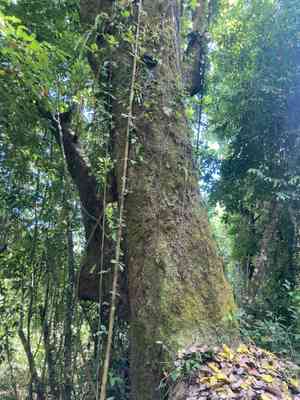
Cashews (Anacardium) (Anacardium)
Also known as: Cashew tree, Cashew apple tree
Cashew trees, originally from tropical South America, were introduced to India and Africa by Portuguese traders in the 16th century. These trees, particularly the species Anacardium occidentale, known for its edible seeds, are now widely cultivated in Southeast Asia. Ideal soil conditions for cashew trees include well-drained sandy or loamy soils, lateritic soils, and coastal sands with a slightly acidic pH, typically around 6.0 to 7.0.
In This Article
Attributes of Cashews (Anacardium)
Lifespan
Perennial
Plant Height
10-12 meters
Spread
8-14 meters
Leaf Color
Dark green
Flower Size
0.6-1 centimeter
Flower Color
Yellowish-pink
Images of Cashews (Anacardium)
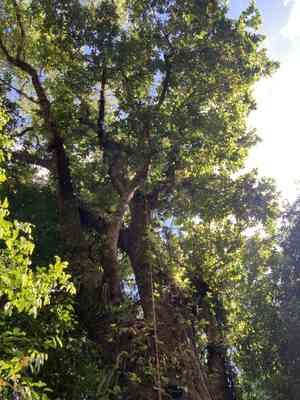
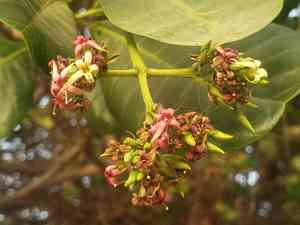
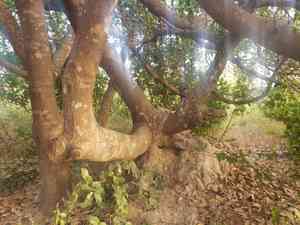
Quickly Identify Cashews (Anacardium)
1
The Anacardium genus can be identified by its distinctive kidney-shaped nuts attached to the bottom of a fleshy, pear-shaped \'apple.\' The leaves are simple, smooth, and oblong, and the tree often emits a milky sap when cut.
Scientific Classification of Cashews (Anacardium)
Phylum
Tracheophyta
Class
Magnoliopsida
Order
Sapindales
Family
Anacardiaceae
Genus
Anacardium
Planting and Growing of Cashews (Anacardium)
Care Difficulty
Moderate
Watering Schedule
Every 2 days
Sunlight Requirements
Full sun
Sunshine Duration
6-10 hours
Ideal Temperature
68-86℉
Soil Type
Potting Mix, Peat Mix
Soil pH
6.5-7.5
Fertilizer Type
Balanced
Pruning Season
Spring, Summer
Pruning Area
Branches, Leaves
Pruning Frequency
2 times a year
Repotting Season
Spring
Pot Type
Plastic, Ceramic
 How to Water Cashews (Anacardium)?
Anacardium plants prefer moderate watering; the soil should be thoroughly moistened but not waterlogged. Water until you see excess draining out of the pot. This approach prevents root rot and ensures the plant receives adequate moisture.
What are the symptoms of an underwatered Cashews (Anacardium)?
›
What should I do if my Cashews (Anacardium) is not getting enough water?
›
What are the symptoms of an overwatered Cashews (Anacardium)?
›
How to save an overwatered Cashews (Anacardium)?
›
 What Are the Sunlight Requirements for Cashews (Anacardium)?
Anacardium thrives in full to partial sunlight conditions. Ideally, it should be exposed to sunlight for 6 to 8 hours daily to ensure robust growth and bountiful fruit production.
What are the ideal lighting conditions for Anacardium?
›
What solutions can help achieve ideal lighting?
›
What benefits does ideal lighting bring?
›
 What Is the Ideal Temperature Range for Cashews (Anacardium)?
Anacardium thrives best in a warm environment where the temperatures are consistently between 68°F and 86°F. Maintaining this temperature range ensures optimal growth and production, as the plant's natural habitat typically presents these mild to warm conditions. Ideally, in this range, the plant's metabolic processes run smoothly, allowing for steady growth and fruit development.
 What Soil is Best for Cashews (Anacardium)?
Anacardium requires nutrient-rich soil to thrive. This type of soil ensures that the plant has access to essential minerals and nutrients, promoting robust growth and high yields of its fruit. Well-draining soil is crucial for Anacardium to prevent waterlogging, which can lead to root rot. Ensuring good drainage helps maintain healthy roots and supports overall plant vigor. Anacardium loves a balance between moisture retention and drainage. Soil that holds moisture without becoming too wet supports consistent growth and reduces drought stress.
 How to Fertilize Cashews (Anacardium)?
For optimal growth, apply liquid fertilizer at a concentration of 1/2 the recommended strength to avoid over-fertilization. During the growing season, this can come to approximately 5-10 ml of concentrated liquid fertilizer per liter of water, depending on the plant’s overall health and soil conditions.
 How to Prune Cashews (Anacardium)?
Start by removing any dead or diseased branches. These parts can be identified by their discolored appearance or lack of growth compared to healthy sections. Cut back branches that cross or rub against each other. This helps in preventing wounds that the plant might suffer as branches sway with the wind. Prune to shape the tree or shrub by cutting back any overly vigorous shoots and maintaining a balanced canopy. Ensure that light and air can penetrate the inner areas of the plant. After pruning, collect and dispose of all pruned material properly. This prevents the spread of any pests or diseases that might have been present in the removed wood.
 How to Propagate Cashews (Anacardium) plant?
1
First, collect seeds from ripe fruits of the Anacardium. Ensure the seeds are healthy and free from any signs of disease or pest damage. This step involves preparing the seeds by cleaning them and allowing them to dry slightly in a shaded area.
2
Prepare a well-draining soil mix suitable for Anacardium propagation. The soil should be loose, rich in organic matter, and capable of retaining some moisture without becoming waterlogged. Adjustment of soil pH may be necessary based on your local soil conditions.
3
Grafting requires selecting a compatible rootstock and scion. Make sure both are healthy and disease-free. Utilize an appropriate grafting method such as cleft or whip grafting, and securely join them using grafting tape, ensuring proper alignment for successful nutrient transfer.
 How to Repot Cashews (Anacardium) plant?
1
Signs like roots circling the pot or emerging from drainage holes indicate it's time to repot Anacardium. Spring and summer provide the best conditions for recovering from repotting stress, with increased sunlight and warmth.
2
Select a pot slightly larger than the current one. Ensure it has adequate drainage holes to prevent root rot. A bit of room for growing roots without being overly large helps maintain optimal moisture levels.
3
Opt for well-draining potting mix with organic material. A good mixture prevents waterlogging and provides essential nutrients, promoting healthy root development and preventing fungal problems.
Toxicity
Ingestion or skin contact with plant parts
WARNING
The judgment on toxicity and danger is for reference only. We DO NOT GUARANTEE any accuracy of such judgment. Therefore, you SHALL NOT rely on such judgment. It is IMPORTANT TO SEEK PROFESSIONAL ADVICE in advance when necessary.

