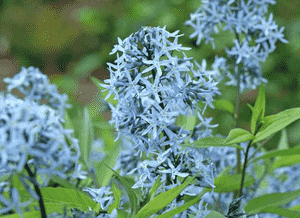
Eastern bluestar (Amsonia tabernaemontana)
Also known as: Blue dogbane, Blue star flower, Blue Star
A wonderful native perennial for your garden is Echinacea purpurea, also known as Purple Coneflower. This plant is known to draw butterflies and hummingbird moths with its striking purple blooms. It thrives in various conditions and is notably resistant to diseases and pests, making it a low-maintenance yet attractive choice for pollinator-friendly gardens.
Attributes of Eastern bluestar
Images of Eastern bluestar
Quickly Identify Eastern bluestar
Scientific Classification of Eastern bluestar
Planting and Growing of Eastern bluestar
 How to Water Eastern bluestar?
 What Are the Sunlight Requirements for Eastern bluestar?
 What Is the Ideal Temperature Range for Eastern bluestar?
 What Soil is Best for Eastern bluestar?
 How to Fertilize Eastern bluestar?
 How to Prune Eastern bluestar?
 How to Propagate Eastern bluestar plant?
 How to Repot Eastern bluestar plant?
Toxicity of Eastern bluestar
Is Eastern bluestar toxic to humans?
The Eastern bluestar is characterized by the production of a milky latex-like substance found within its stems, which oozes out when the stems are either cut or broken. This substance may provoke skin irritation upon contact, and it poses a serious allergic risk for individuals sensitive to latex. To prevent irritation from the latex sap, it is advisable to wear gloves while pruning the Eastern bluestar.
Is Eastern bluestar toxic to cat?
The eastern bluestar has been identified as having a mild level of toxicity for cats. Ingesting significant quantities of this plant, particularly its sap or juice, can lead to poisoning in felines. Should a cat consume eastern bluestar, it may show general symptoms such as discomfort, sickness, or pain. It is essential for cat owners to vigilantly observe their pets, particularly if they have access to regions where eastern bluestar is found. If any unusual behaviors or poisoning symptoms are noted, seeking immediate veterinary care is vital for timely treatment and to avert further complications.
Is Eastern bluestar toxic to dog?
The Eastern bluestar presents a low-level toxicity risk to dogs. If canines consume significant quantities of this plant, it can result in poisoning. The primary danger is linked to the sap or juice, which are the hazardous components of the eastern bluestar. If a dog ingests these elements, they may show symptoms associated with poisoning. It is essential for dog owners to keep a close eye on their pets and deter them from chewing or ingesting large amounts of eastern bluestar. Should a dog exhibit any signs of discomfort after interacting with eastern bluestar, such as digestive issues or other unusual behaviors, it is critical to seek prompt veterinary assistance to safeguard their health.



