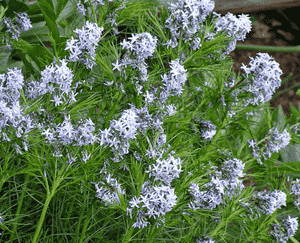
Threadleaf bluestar (Amsonia hubrichtii)
Also known as: Bluestar, Hubricht's amsonia, Narrow leaf blue star
Threadleaf bluestar (Amsonia hubrichtii) is named in honor of Leslie Hubricht, a distinguished biologist who discovered the plant in the 1940s. It is widely favored in gardens for its use in borders, rock gardens, and cottage gardens. This plant pairs beautifully with fall-blooming perennials like garden mums and sedums.
Attributes of Threadleaf bluestar
Images of Threadleaf bluestar
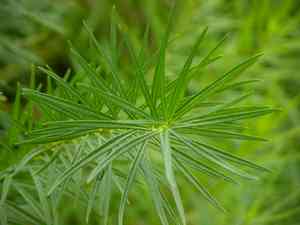
Quickly Identify Threadleaf bluestar
Scientific Classification of Threadleaf bluestar
Planting and Growing of Threadleaf bluestar
 How to Water Threadleaf bluestar?
 What Are the Sunlight Requirements for Threadleaf bluestar?
 What Is the Ideal Temperature Range for Threadleaf bluestar?
 What Soil is Best for Threadleaf bluestar?
 How to Fertilize Threadleaf bluestar?
 How to Prune Threadleaf bluestar?
 How to Propagate Threadleaf bluestar plant?
 How to Repot Threadleaf bluestar plant?
Toxicity of Threadleaf bluestar
Is Threadleaf bluestar toxic to humans?
The threadleaf bluestar exhibits mild toxicity when its sap comes into direct contact with the skin. Concentrated primarily in the stems and leaves, it is prudent to minimize contact with these parts or to wear gloves and protective gear to shield the skin from potential irritation during handling. Additionally, certain species of the *Amsonia* genus have been identified to produce toxic alkaloids that pose risks if ingested. For these reasons, consuming this plant or using it internally is strongly discouraged.
Is Threadleaf bluestar toxic to cat?
Threadleaf bluestar possesses a degree of mild toxicity for cats. If ingested in excessive amounts, this plant could result in potential poisoning, given that its sap or juice contains toxic substances. Cats consuming a substantial quantity of threadleaf bluestar may show a range of distressing symptoms, potentially indicating physical discomfort. Cat owners need to be attentive and make sure their feline friends do not chew on or ingest any part of threadleaf bluestar. If poisoning is suspected, it is essential to seek prompt veterinary attention to safeguard the health of the affected cat.
Is Threadleaf bluestar toxic to dog?
Threadleaf bluestar presents a mild toxicity risk to dogs. Poisoning generally happens when a dog consumes a significant amount of the plant. The sap or juice of the threadleaf bluestar is the toxic component that can cause negative effects if swallowed. Dogs that suffer from poisoning due to threadleaf bluestar may show symptoms like gastrointestinal distress, vomiting, or diarrhea. It is vital for dog owners to keep an eye on their pets and prevent them from consuming excessive quantities of this plant. If a dog ingests threadleaf bluestar and exhibits signs of poisoning, it is essential to seek immediate veterinary attention to ensure appropriate treatment and symptom management.



