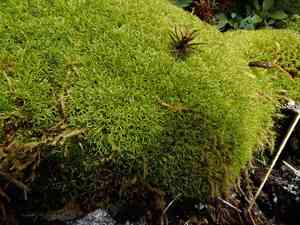
Mougeot's amphidium moss (Amphidium mougeotii)
Also known as: Mougeot’s Amphidium
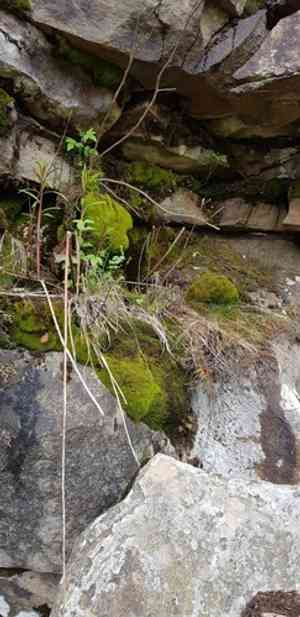
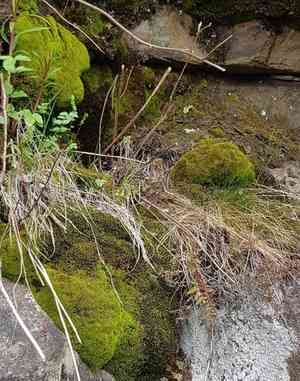
Mougeot's amphidium moss (Amphidium mougeotii) forms dense, cushion-like mats with dark green, glossy leaves that are tightly pressed to the stem. This robust moss thrives in shaded, moist environments, often found on calcareous rocks, soil, and tree bases in temperate regions. It is well-suited to high humidity areas like stream banks and forest floors, where its lance-shaped leaves help retain moisture and endure varying temperatures and nutrient-poor conditions.
In This Article
Attributes of Mougeot's amphidium moss
Lifespan
Perennial
Plant Type
Moss
Plant Height
Up to 2 cm
Spread
Not applicable
Leaf Color
Green when moist, olive-green to brown when dry
Flower Size
Not applicable
Flower Color
Not applicable
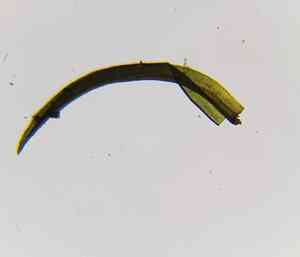
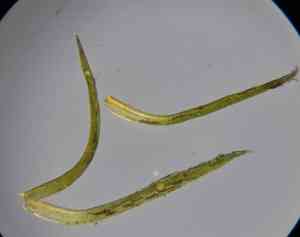
Images of Mougeot's amphidium moss
Quickly Identify Mougeot's amphidium moss
1
To identify Amphidium mougeotii, look for its dense tufts of small, overlapping leaves. The leaves are lanceolate and possess a central rib or costa. When moist, the leaves appear to be spreading, but when dry, they become tightly appressed. Additionally, the moss has distinctive orange-brown stems.
Scientific Classification of Mougeot's amphidium moss
Phylum
Mosses
Class
True mosses
Order
Grimmiales
Family
Orthotrichaceae
Genus
Amphidium moss
Species
Mougeot's amphidium moss
Planting and Growing of Mougeot's amphidium moss
Care Difficulty
Hard
Watering Schedule
Every 2 days
Sunlight Requirements
Full shade
Sunshine Duration
8-12 hours
Ideal Temperature
59-77℉
Soil Type
Potting Mix, Peat Mix
Soil pH
6.5-7.5
Fertilizer Type
Balanced
Pruning Season
Spring, Summer
Pruning Area
Branches, Leaves
Pruning Frequency
2 times a year
Repotting Season
Spring
Pot Type
Plastic, Ceramic
 How to Water Mougeot's amphidium moss?
Amphidium mougeotii prefers a moist environment, but it's crucial not to overdo it. Water until the substrate is damp but not soggy. This approximately equates to about 200 ml of water per watering session, ensuring even distribution across the substrate.
What are the symptoms of an underwatered Mougeot's amphidium moss?
›
What should I do if my Mougeot's amphidium moss is not getting enough water?
›
What are the symptoms of an overwatered Mougeot's amphidium moss?
›
How to save an overwatered Mougeot's amphidium moss?
›
 What Are the Sunlight Requirements for Mougeot's amphidium moss?
Partial sun or dappled shade is ideal for Amphidium mougeotii, replicating its native environment. This balance aids in robust photosynthesis and nutrient absorption, ensuring the plant's overall health and development.
How much light does Amphidium mougeotii prefer?
›
What can be done to achieve ideal lighting?
›
What are the benefits of ideal lighting?
›
 What Is the Ideal Temperature Range for Mougeot's amphidium moss?
Amphidium mougeotii thrives best in a temperature range between 59°F and 77°F. This range facilitates optimal metabolic processes and avoids stress-related issues that can occur with temperature fluctuations. Keep in mind that specific environmental conditions such as humidity and soil moisture can also affect plant health.
 What Soil is Best for Mougeot's amphidium moss?
Amphidium mougeotii thrives in soils with moderate moisture retention. Opt for loam with its ideal balance of water holding and drainage. This moisture equilibrium ensures the moss stays hydrated without drowning its roots, fostering vigorous growth. Rich in organic matter, loam provides essential nutrients crucial for Amphidium mougeotii's growth. A nutrient-dense soil profile supports lush foliage and robust structural development, enhancing the plant's vitality and resilience. Loam's crumbly texture favors root aeration, providing the Amphidium mougeotii with ample oxygen. Proper air circulation in the root zone aids in optimal metabolic processes, leading to healthier and more vibrant plant life.
 How to Fertilize Mougeot's amphidium moss?
Amphidium mougeotii requires careful attention to fertilization. A light application of liquid fertilizer at a diluted concentration every two weeks suffices. Ensure that the solution is weak to prevent root damage. For slow-release fertilizers, apply sparingly, three times annually with minimal quantities to avoid nutrient burn.
 How to Prune Mougeot's amphidium moss?
Begin by identifying the areas that need pruning. Focus on removing dead, diseased, or damaged leaves. Also, look to cut back any over-grown sections to maintain the desired size and shape. When pruning Amphidium mougeotii, make sure to make clean cuts close to the base of the leaf or stem you are removing. This ensures minimal damage to the remaining parts of the plant. After pruning, ensure the plant is in a suitable environment to recover. Provide adequate water and avoid overexposure to harsh sunlight immediately after pruning to allow the plant to heal.
 How to Propagate Mougeot's amphidium moss plant?
1
Select a healthy and mature specimen of Amphidium mougeotii for division. Ensure that the plant has enough growth to withstand being divided without experiencing significant stress. This step is crucial to ensure successful propagation.
2
Carefully divide the plant into smaller sections, making sure each section has roots attached. Use a sterilized knife or garden shears to make clean cuts. Proper handling of the plant sections helps minimize damage to the roots and stems.
3
Place each division in a prepared container with fresh potting mix. Ensure that the roots are adequately covered with soil, and water the newly planted sections thoroughly. This step supports initial root establishment and promotes healthy growth.
 How to Repot Mougeot's amphidium moss plant?
1
Amphidium mougeotii shows its need for repotting when its roots start to grow out of the drainage holes or if the plant appears dehydrated despite regular watering. Additionally, if you notice a decline in overall plant health, it might be time to consider repotting. Repotting in Spring or Summer ensures the plant has ample time to adjust before colder temperatures arrive.
2
Select a pot that is one size larger than the current one, ensuring it has adequate drainage holes to prevent waterlogging. A slightly larger pot allows for root expansion and encourages healthy growth. Using a pot made of breathable material such as terracotta can further enhance aeration and prevent root rot.
3
Opt for a moist, well-drained soil mix that can retain sufficient moisture while preventing water stagnation. A blend containing peat, perlite, and a bit of sand works well. This combination offers a balance of moisture retention and drainage that supports healthy growth and prevents root decay.

