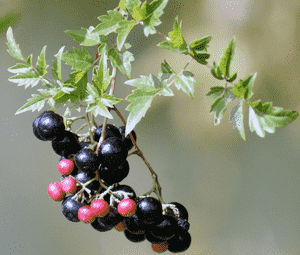
Pepper vine (Ampelopsis arborea)
Also known as: Cow itch
Pepper vine (Ampelopsis arborea) is an ornamental plant native to the southwestern United States. While it is often used to enhance garden aesthetics, gardeners should be cautious as it can grow quickly and potentially overwhelm other plants, even causing damage by pulling down branches from nearby trees.
Attributes of Pepper vine
Images of Pepper vine
Quickly Identify Pepper vine
Scientific Classification of Pepper vine
Planting and Growing of Pepper vine
 How to Water Pepper vine?
 What Are the Sunlight Requirements for Pepper vine?
 What Is the Ideal Temperature Range for Pepper vine?
 What Soil is Best for Pepper vine?
 How to Fertilize Pepper vine?
 How to Prune Pepper vine?
 How to Propagate Pepper vine plant?
 How to Repot Pepper vine plant?
Toxicity of Pepper vine
Is Pepper vine toxic to humans?
When consumed, pepper vine poses a risk to human health owing to its toxic characteristics. The consequences of consuming this plant are usually mild. The berries are the toxic components of the plant, and although their toxicity level is relatively low, they can lead to negative reactions, particularly if consumed in excessive amounts. Signs of eating these fruits may involve stomach discomfort and irritation of the throat. Foragers may inadvertently consume these berries, and children could accidentally ingest the vibrant fruits that grow in gardens or urban locations where they are more accessible.
Is Pepper vine toxic to cat?
The pepper vine presents a moderate risk of toxicity to felines. When cats ingest any part of this plant, particularly the fruits, they may experience physical discomfort that suggests poisoning. While the symptoms may not be immediately visible, they can lead to significant health issues. Pet owners should closely observe their animals for any indications of distress and promptly seek veterinary assistance at the nearest facility to reduce health hazards. Timely intervention is crucial for a positive prognosis following a cat's consumption of any part of the pepper vine.
Is Pepper vine toxic to dog?
The plant species known as pepper vine presents a moderate toxicity risk for dogs, particularly when they consume its fruits. The ingestion of pepper vine fruit can lead to various symptoms that signify poisoning in dogs. Pet owners need to remain alert for warning signs, such as gastrointestinal distress, vomiting, diarrhea, or even more serious indications that may suggest a systemic issue. Given the potential health hazards posed by pepper vine, it is vital for dog owners to restrict their pets from entering areas where this plant is found and to carefully observe their outdoor activities. If a dog does happen to ingest any part of the pepper vine, it is critical to seek immediate veterinary assistance to ensure swift and appropriate treatment.



