False indigos (Amorpha) (Amorpha)
Also known as: False Indigo, Indigo Bush
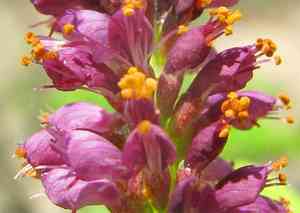
False indigos are notable for their unique flowers that have just one petal. These plants are essential for various moth and butterfly species in the Lepidoptera order, serving as a crucial food source during their larval stage. Specifically, the larvae of the leadplant flower moth (Schinia lucens) rely solely on false indigos for nourishment.
In This Article
Attributes of False indigos (Amorpha)
Lifespan
Perennial
Plant Height
1-3 meters
Spread
1-2 meters
Leaf Color
Green
Flower Size
0.6-1.3 cm
Flower Color
Purple, Blue
Images of False indigos (Amorpha)
Quickly Identify False indigos (Amorpha)
1
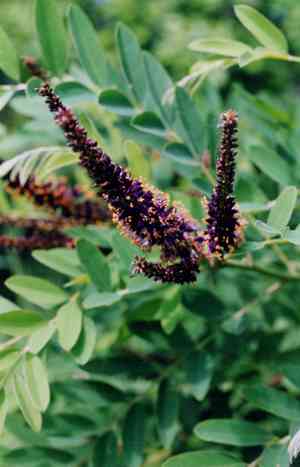
Amorpha plants can be identified by their pinnately compound leaves with numerous small leaflets, dense cylindrical flower spikes, and the distinctive purple flowers, each of which has a single petal and numerous stamens. The plants are often shrubs and can have woody stems.
Scientific Classification of False indigos (Amorpha)
Phylum
Tracheophyta
Class
Magnoliopsida
Order
Fabales
Family
Fabaceae
Genus
Amorpha
Planting and Growing of False indigos (Amorpha)
Care Difficulty
Easy
Watering Schedule
Every 2 days
Sunlight Requirements
Full sun
Sunshine Duration
6-10 hours
Ideal Temperature
68-77℉
Soil Type
Potting Mix, Peat Mix
Soil pH
6.5-7.5
Fertilizer Type
Balanced
Pruning Season
Spring, Summer
Pruning Area
Branches, Leaves
Pruning Frequency
2 times a year
Repotting Season
Spring
Pot Type
Plastic, Ceramic
 How to Water False indigos (Amorpha)?
Amorpha prefers to be watered deeply but infrequently. The goal is to provide about 500 ml of water each time. Ensure the water penetrates to the root zone to maintain healthy growth.
What are the symptoms of an underwatered False indigos (Amorpha)?
›
What should I do if my False indigos (Amorpha) is not getting enough water?
›
What are the symptoms of an overwatered False indigos (Amorpha)?
›
How to save an overwatered False indigos (Amorpha)?
›
 What Are the Sunlight Requirements for False indigos (Amorpha)?
Amorpha favors full sun to partial sun conditions, where it can absorb ample light for photosynthesis, leading to healthy foliage and a prolific flowering season.
What is the best sunlight exposure for Amorpha?
›
How to achieve ideal lighting for Amorpha?
›
What are the benefits of ideal sunlight for Amorpha?
›
 What Is the Ideal Temperature Range for False indigos (Amorpha)?
Maintaining an ideal temperature range between 68°F to 77°F for Amorpha is crucial because it supports optimal growth and metabolic activities. In this range, the plant can efficiently photosynthesize and maintain structural integrity, resulting in robust health and floriferousness.
 What Soil is Best for False indigos (Amorpha)?
Amorpha prefers well-drained soils as it helps prevent root rot and ensures healthy growth. Proper drainage is crucial for maintaining the plant's vigor and longevity by preventing waterlogged conditions. Rich in essential nutrients, loamy soil provides Amorpha with the necessary minerals for robust growth. High organic matter content promotes strong foliage and aids in the plant's adaptability to environmental stress. The ideal soil should have balanced moisture retention properties to support Amorpha during dry spells, yet not retain excessive moisture. This equilibrium helps in sustaining plant health and preventing dehydration.
 How to Fertilize False indigos (Amorpha)?
Amorpha requires a moderate amount of fertilizer. Typically, you should use a balanced liquid fertilizer diluted by half every two weeks during the growing season, and limit slow-release granular fertilizers to early spring, preferably once every four months.
 How to Prune False indigos (Amorpha)?
First, inspect the plant for any dead or diseased wood and remove those branches completely. This will help prevent the spread of disease and improve the overall aesthetics. Amorpha benefits from light shaping to maintain its natural form. Trim back any overgrown or unwieldy branches to retain a pleasing silhouette. Cut back the plant by about one-third in early spring before new growth begins. This pruning stimulates new shoots and vigorous growth.
 How to Propagate False indigos (Amorpha) plant?
1
Prior to sowing, Amorpha seeds benefit from being soaked in water for 24 hours. This helps in breaking the seed dormancy and promotes better germination rates.
2
Select healthy stems of about 10-15 cm in length for cuttings. Make sure to cut just below a node and remove the lower leaves to promote root development.
3
Place seeds in a seed tray filled with well-draining soil. Cover them lightly with soil and water gently to ensure good soil contact.
 How to Repot False indigos (Amorpha) plant?
1
You should consider repotting Amorpha when you notice roots coming out from the drainage holes, the soil dries out too quickly, or the plant shows stunted growth. These signs indicate that the plant has outgrown its current container and needs more room to thrive.
2
Select a pot that is 1-2 inches larger in diameter than the current one, with ample drainage holes. This ensures that Amorpha's roots have space to expand, aids in preventing waterlogging, and thereby reducing the risk of root rot.
3
Opt for a well-drained, sandy soil mix for repotting. This type of soil facilitates proper air circulation and moisture retention, creating an optimal environment for root development and plant health.
Toxicity
Ingestion
WARNING
The judgment on toxicity and danger is for reference only. We DO NOT GUARANTEE any accuracy of such judgment. Therefore, you SHALL NOT rely on such judgment. It is IMPORTANT TO SEEK PROFESSIONAL ADVICE in advance when necessary.

