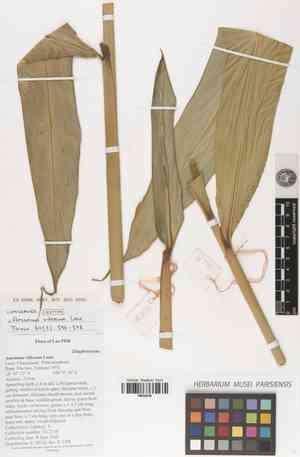
Tavoy cardamom(Amomum villosum)

Tavoy cardamom (Amomum villosum)

Also known as: Sha ren, False cardamom

Tavoy cardamom, native to the humid forests of the Tenasserim Hills in Myanmar, distinguishes itself with its elongated leaves and sizable, seed-filled pods. This variety thrives in both mountainous and lowland tropical environments. Here are its key aspects:

### Characteristics:
1. **Appearance:** Tavoy cardamom features distinctive blade-like leaves and produces large, dark pods filled with aromatic seeds.
2. **Growth Conditions:** It flourishes in the humid, fertile soils of the Tenasserim region, suited to both high-altitude and lowland forest areas.

### Cultural Significance:
1. **Culinary Use:** Integral to Burmese cuisine, it is used to enhance the flavor of traditional dishes such as curries, soups, and rice.
2. **Medicinal Use:** In local medicinal practices, Tavoy cardamom is valued for its digestive and respiratory benefits.
3. **Economic Role:** Its cultivation supports local economies, providing a source of income for farmers in the region.
4. **Cultural Importance:** The spice is embedded in the cultural fabric of the Tenasserim region, representing a deep connection to local traditions and agricultural practices.

In summary, Tavoy cardamom is more than just a spice; it is a vital component of Myanmar's culinary, medicinal, and cultural heritage.

Attributes of Tavoy cardamom

Lifespan
Perennial
Plant Type
Herb
Plant Height
1.5 m to 3 m
Spread
0.5-1.5 meters
Leaf Color
Dark Green
Flower Size
1-2 cm
Flower Color
White Yellow

ForwardPlant - Identify plants with a snap

Identify and diagnose plants, get toxicity alerts, and explore safety guides for all types of fungi.

Try for Free

Images of Tavoy cardamom

Tavoy cardamom(Amomum villosum)

Quickly Identify Tavoy cardamom

1
Amomum villosum can be identified by its large, lanceolate leaves, which are dark green and can grow up to 60 cm long. The plant produces small, pale yellow or pinkish flowers and bears oval, ribbed fruits containing numerous aromatic seeds. The rhizome is thick and aromatic, typical of plants in the ginger family.

Scientific Classification of Tavoy cardamom

Phylum
Vascular plants
Class
Monocotyledons
Order
Gingers, bananas, and allies
Family
Ginger
Genus
cooking ginger
Species
Tavoy cardamom

Planting and Growing of Tavoy cardamom

Care Difficulty
Hard
Watering Schedule
Every 2 days
Sunlight Requirements
Partial sun
Sunshine Duration
6-10 hours
Ideal Temperature
68-86℉
Soil Type
Potting Mix, Peat Mix
Soil pH
5.5-7
Fertilizer Type
Balanced
Pruning Season
Spring, Summer
Pruning Area
Branches, Leaves
Pruning Frequency
2 times a year
Repotting Season
Spring
Pot Type
Terracotta, Plastic

water icon How to Water Tavoy cardamom?

Amomum villosum thrives with moderate watering. Ensure you provide around 500ml each time, allowing the soil to absorb moisture fully without becoming waterlogged. To achieve optimal soil dampness, make sure the top inch of soil feels slightly moist to the touch but not soggy. This balance helps maintain root health and prevents the risk of rot.
What are the symptoms of an underwatered Tavoy cardamom?
What should I do if my Tavoy cardamom is not getting enough water?
What are the symptoms of an overwatered Tavoy cardamom?
How to save an overwatered Tavoy cardamom?

sunlight icon What Are the Sunlight Requirements for Tavoy cardamom?

Sunlight Requirements: Partial sun, Full shade
Duration of light: 3 to 6 hours
Amomum villosum prospers in partial sun and full shade. Balanced light exposure promotes healthy metabolic function, robust growth, and aids in maintaining leaf coloration, contributing to both aesthetic appeal and overall plant vitality.
How much light does Amomum villosum need?
What solutions help achieve ideal lighting?
What benefits come from ideal lighting for Amomum villosum?

temperature icon What Is the Ideal Temperature Range for Tavoy cardamom?

Ideal Temperature: 68 ~ 86℉
The ideal temperature range for Amomum villosum is between 68°F and 86°F. This range provides the optimal conditions for both growth and metabolic activities. Within this temperature window, the plant can efficiently photosynthesize, process nutrients, and reproduce. Maintaining this temperature range helps the plant avoid stress and contributes to its overall health and vigor.

soil icon What Soil is Best for Tavoy cardamom?

Soil type: Loam, Sandy loam
Soil PH: 5.5 ~ 7
Amomum villosum thrives in well-drained soil which helps prevent waterlogging, a condition that can stunt its growth and lead to root rot. By ensuring the soil drains effectively, the plant can maintain its health and vitality, resulting in robust growth and optimal spice yield. This plant benefits from soil rich in organic matter, which provides essential nutrients and improves soil fertility. Organic matter creates a nurturing environment that promotes healthy root development and enhances the plant's resilience against pests and diseases. Moderate soil fertility is ideal, as it ensures the plant gets enough nutrients without excessive growth that might compromise its structural integrity. Balanced fertility supports steady growth and helps the plant focus its energy on producing quality seeds.

fertilize icon How to Fertilize Tavoy cardamom?

Fertilizer type: Balanced
For Amomum villosum, the amount of fertilizer should be moderate. Use approximately 100 ml of diluted liquid fertilizer per plant per session. For solid fertilizers, apply about 50 grams per plant annually, divided into suitable doses to avoid nutrient overload.

prune icon How to Prune Tavoy cardamom?

Pruning Time: Spring, Summer
Begin by identifying any overcrowded or tangled sections of the plant. This assessment helps you determine which sections need thinning to improve light penetration and air circulation, essential for Amomum villosum. Start by cutting away any dead or diseased stems, which are typically darker or brittle-looking. Removing these helps prevent infections from spreading and allows the plant to focus its energy on new, healthy growth. Trim back outer branches for symmetry and to shape the plant according to your aesthetic preference. Ensure each cut is made just above a node or bud to encourage new outward growth, promoting a fuller appearance. After pruning, clear away all cuttings and debris to prevent pest infestations. Consider adding a layer of organic fertilizer to provide your Amomum villosum with nutrients that support recovery and encourage blooming. More About Pruning Techniques

propagate icon How to Propagate Tavoy cardamom plant?

Propagate Time: Spring, Late Spring, Early Spring
1
Collect seeds from mature Amomum villosum plants in late summer or autumn. Clean the seeds and allow them to dry properly. Ensure you store them in a cool, dry place until you are ready for sowing.
2
Carefully dig out the plant and gently separate the rhizomes using a sharp knife. Each section should have at least one growing eye or bud. This process should ideally be done in early spring to give the new divisions the best start.
3
For seeds, sow them in seedling trays with well-draining soil, keeping them moist and at a warm temperature. For rhizomes, plant them at ground level in prepared soil, making sure the growth bud is above the ground.

repot icon How to Repot Tavoy cardamom plant?

Repotting frequency: Every 2-3 years
1
Amomum villosum should be repotted when you notice roots circling the bottom of its current pot or emerging from drainage holes. Ideally, do this at the start of the growth period, ensuring the plant has time to settle into its new environment during active growth.
2
Choose a pot that is just one size larger than the current one. This helps prevent waterlogging and allows roots to expand without excess soil that may retain too much moisture and invite root rot. Ensure the pot has drainage holes to facilitate proper water drainage.
3
Opt for a rich, well-draining soil mix, such as a combination of potting soil, perlite, and a bit of coarse sand. This mix provides the necessary nutrients while ensuring excess water dissipates efficiently, preventing root rot and supporting healthy growth.

ForwardPlant - Identify plants with a snap

Find the best spots for them to optimize their health, simply using your phone.

Try for Free