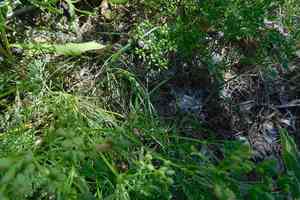
Plains sandparsley (Ammoselinum popei)
Also known as: Pope's false bishop's weed, Pope's ammoselinum
The plant you're referring to is likely Plains Sandparsley. This slender, delicate perennial is well-suited to sandy or rocky soils and is commonly found in the Southwestern United States. It features thin stems, sparse leaves, and small white flowers arranged in umbels. Plains Sandparsley has adapted to thrive in arid climates, with a root system that efficiently locates and utilizes available moisture.
In This Article
Attributes of Plains sandparsley
Lifespan
Biennial
Plant Type
Herb
Plant Height
0 mm to 30 cm
Spread
Not applicable
Leaf Color
Green
Flower Size
1-2 mm
Flower Color
White
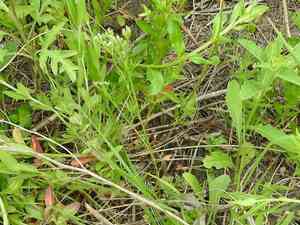
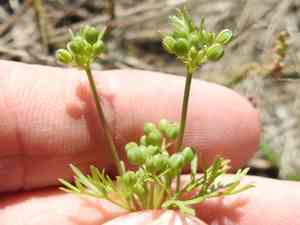
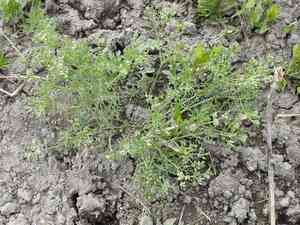
Images of Plains sandparsley
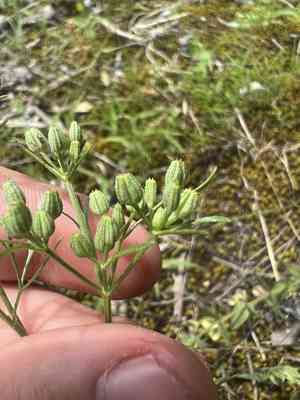
Quickly Identify Plains sandparsley
1
Look for its finely divided leaves and small, white flowers arranged in umbrella-like clusters. The plant is typically low-growing and can be distinguished from similar species by its habitat and leaf structure.
Scientific Classification of Plains sandparsley
Phylum
Vascular plants
Class
Dicotyledons
Order
Apiales
Family
Umbellifers
Genus
Sandparsley
Species
Plains sandparsley
Planting and Growing of Plains sandparsley
Care Difficulty
Moderate
Watering Schedule
Every 3 days
Sunlight Requirements
Full sun
Sunshine Duration
6-10 hours
Ideal Temperature
68-77℉
Soil Type
Potting Mix, Peat Mix
Soil pH
6.5-7.5
Fertilizer Type
Balanced
Pruning Season
Spring, Summer
Pruning Area
Branches, Leaves
Pruning Frequency
2 times a year
Repotting Season
Spring
Pot Type
Plastic, Ceramic
 How to Water Plains sandparsley?
When watering Ammoselinum popei, pour approximately 200 milliliters of water each time. Ensure that the soil becomes moist but not waterlogged. The principle here is to provide enough moisture for the plant without drowning its roots.
What are the symptoms of an underwatered Plains sandparsley?
›
What should I do if my Plains sandparsley is not getting enough water?
›
What are the symptoms of an overwatered Plains sandparsley?
›
How to save an overwatered Plains sandparsley?
›
 What Are the Sunlight Requirements for Plains sandparsley?
Ammoselinum popei ideally requires full sun to partial sun, equating to about 6 to 8 hours of sunlight daily. Ideal light conditions ensure strong growth, vigorous photosynthesis, and healthy development, reducing susceptibility to disease.
What is the best type of sunlight for Ammoselinum popei?
›
How can you provide ideal lighting for Ammoselinum popei?
›
What are the benefits of receiving ideal sunlight for Ammoselinum popei?
›
 What Is the Ideal Temperature Range for Plains sandparsley?
For optimal growth, Ammoselinum popei thrives best within a temperature range of 68°F to 77°F. This range provides a stable environment where enzymatic and metabolic processes can function efficiently, promoting healthy growth and development of the plant. Maintaining this temperature also encourages optimal photosynthesis rates, aiding in the overall vitality of the plant.
 What Soil is Best for Plains sandparsley?
Ammoselinum popei thrives in well-draining soils. This requirement facilitates oxygen movement to the roots, preventing root rot and fostering healthy plant growth. Although resilient, Ammoselinum popei benefits from nutrient-rich soil. Adequate nutrients contribute to lush foliage and robust development, making it essential to include organic matter. While it prefers drier conditions, a slight moisture retention is beneficial. This prevents extreme drying out, ensuring the plant can endure brief periods of drought.
 How to Fertilize Plains sandparsley?
For Ammoselinum popei, it's important to ensure that the soil is nutrient-rich without being overwhelmed. A single dose of liquid fertilizer should be around half the recommended amount specified on the product’s label, applied monthly during the growing season.
 How to Prune Plains sandparsley?
Begin by inspecting the plant for any branches or leaves that are dead, diseased, or damaged. These should be the first to be removed as they can attract pests and impact the overall health of the plant. Use clean shears to make clean cuts just beyond the damaged area. To maintain the desired shape and structure, lightly trim back overgrown areas, focusing on long stems that disrupt the plant's natural contours. Use a balanced approach, and trim selectively to encourage symmetrical growth. Pruning should also aim to enhance air circulation within the plant. Remove crowded or overlapping stems to open up the interior of the plant. This reduces the risk of fungal diseases and encourages robust growth.
More About Pruning Techniques→
 How to Propagate Plains sandparsley plant?
1
Begin by filling the seed tray with the prepared soil mix. Sow Ammoselinum popei seeds thinly and cover them lightly with soil. Ensure the seeds are spaced adequately to decrease competition and provide room for growth.
2
Water the seed tray gently to keep the soil moist but not waterlogged. Overwatering can cause seeds to rot before they have a chance to germinate.
3
Maintain a warm environment to promote germination. Optimal temperature ranges should be monitored closely to favor quick and robust sprouting.
 How to Repot Plains sandparsley plant?
1
Ammoselinum popei shows signs it needs repotting when the roots start growing out of the drainage holes, or when growth seems stunted despite optimal conditions. Generally, repot during active growth seasons like spring or early summer to give your plant the best chance to settle into its new environment and thrive.
2
Select a pot that’s about one size larger than the current one. A pot too big may hold excessive moisture, leading to root rot, while one too small may restrict growth. A pot with excellent drainage will ensure the root system remains healthy and vibrant. The material of the pot, be it clay, plastic, or ceramic, also affects moisture retention and should fit your watering habits.
3
For Ammoselinum popei, a well-draining potting mix is crucial. A mix containing a balance of perlite, peat, and bark will provide ample aeration. This allows roots room to grow and prevents water from clogging up, which can suffocate the roots and lead to disease. The ideal soil retains enough moisture to satisfy the plant's needs between watering but drains excess to prevent drowning its root system.
Learn More About Plains sandparsley Diseases
Bacterial Leaf Spot
Bacterial Soft Rot
Bacterial Wilt
Chemical Injury
Crown Gall
Cyst Nematode
Damping-off
Downy Mildew
Drought Stress
Fusarium Wilt
Gray Mold
Leaf Spot
Mosaic
Nutrient Deficiency
Nutrient Toxicity
Powdery Mildew
Root Rot
Root-knot Nematode
Rusts
Sooty Mold
Spider Mites
Temperature Stress
Thrips Damage
White Mold


