Camas (Amianthium) (Amianthium)
Also known as: Fly Poison, Fly Poison Lily
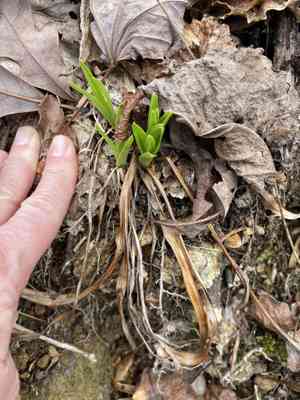
The Camas plant, a North American perennial, was commonly used by American colonists for pest control. They would mash up its toxic bulbs, mix them with sugar, and use the concoction to attract and kill flies. Despite its toxicity, the plant is pollinated mainly by beetles, one of the few insects that can handle its nectar.
In This Article
Attributes of Camas (Amianthium)
Lifespan
Perennial
Plant Height
30-60 cm (12-24 inches)
Spread
N/A
Leaf Color
Green
Flower Size
0.5-1 cm (0.2-0.4 inches)
Flower Color
White
Images of Camas (Amianthium)
Quickly Identify Camas (Amianthium)
1
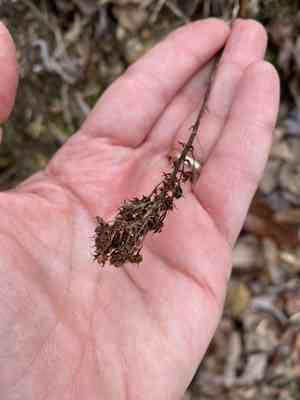
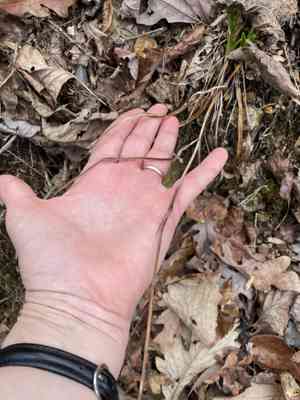
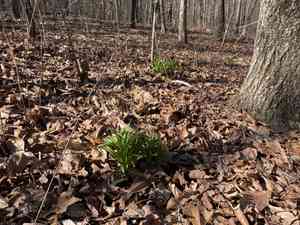
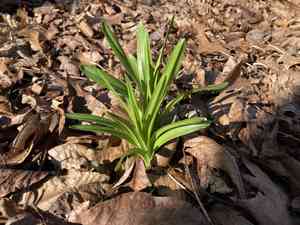
Amianthium can be identified by its grass-like leaves, which are long and narrow, and its clusters of small, white, star-shaped flowers. The flowers bloom typically in late spring to early summer. The plants also have a bulbous base.
Scientific Classification of Camas (Amianthium)
Phylum
Tracheophyta (Vascular plants)
Class
Liliopsida (Monocots)
Order
Liliales
Family
Melanthiaceae
Genus
Amianthium
Planting and Growing of Camas (Amianthium)
Care Difficulty
Moderate
Watering Schedule
Every 3 days
Sunlight Requirements
Full sun
Sunshine Duration
4-6 hours
Ideal Temperature
60-75℉
Soil Type
Potting Mix, Peat Mix
Soil pH
5.5-7
Fertilizer Type
Balanced
Pruning Season
Spring, Summer
Pruning Area
Branches, Leaves
Pruning Frequency
2 times a year
Repotting Season
Spring
Pot Type
Plastic, Ceramic
 How to Water Camas (Amianthium)?
Amianthium is a plant that enjoys a specific watering regimen. Water it with approximately 250 milliliters each time, ensuring the soil is thoroughly moistened but not waterlogged. The key is to allow the soil to remain slightly damp, mimicking its natural habitat's moist ground conditions. Aim to water until you see a slight amount of excess water draining from the bottom of the pot.
What are the symptoms of an underwatered Camas (Amianthium)?
›
What should I do if my Camas (Amianthium) is not getting enough water?
›
What are the symptoms of an overwatered Camas (Amianthium)?
›
How to save an overwatered Camas (Amianthium)?
›
 What Are the Sunlight Requirements for Camas (Amianthium)?
Amianthium flourishes in areas offering half to full-day sunlight. This range promotes strong growth and maximal flowering, as sunlight supports key processes like photosynthesis and energy production crucial for the plant's vitality.
What are the optimal lighting conditions for Amianthium?
›
How can I achieve these ideal lighting conditions?
›
What benefits does Amianthium gain from ideal lighting?
›
 What Is the Ideal Temperature Range for Camas (Amianthium)?
The ideal temperature range for Amianthium is between 60°F and 75°F. This ensures optimal growth and development. In this range, the plant can efficiently carry out photosynthesis, nutrient uptake, and cellular activities necessary for healthy foliage and flowering. Maintaining this range supports overall plant health and minimizes the risk of environmental stress.
 What Soil is Best for Camas (Amianthium)?
Amianthium thrives in well-drained soil, which prevents waterlogging and root rot. This condition helps the plant obtain necessary nutrients for growth and supports its overall vitality. The plant favors moderately fertile soil that provides essential nutrients without overwhelming the roots. Ensuring moderate fertility allows Amianthium to grow steadily with robust stems and leaves. Consistent soil moisture is vital for Amianthium, ensuring its roots are well-hydrated. Moist soil aids in nutrient absorption, resulting in healthier foliage and prolonged blooming.
 How to Fertilize Camas (Amianthium)?
For Amianthium plants, it is crucial not to over-fertilize as they are sensitive to high nutrient levels. Use a balanced, diluted liquid fertilizer at half strength, about 5ml per liter of water. This will ensure that nutrients are provided without overwhelming the plant's natural growth capacity. Similarly, slow-release fertilizers should be applied sparingly, with about a teaspoon per plant at each application.
 How to Prune Camas (Amianthium)?
To properly prune Amianthium, start by sterilizing your pruning shears to prevent the spread of disease. Gently remove any dead or damaged leaves by cutting them back to the base of the plant. Trim away any excess foliage to encourage air circulation, which reduces the risk of fungus. Always make clean cuts and avoid tearing the plant tissue. Aim to create an even shape that allows sunlight to reach the lower leaves. End by cleaning up debris to maintain a tidy garden area.
 How to Propagate Camas (Amianthium) plant?
1
Fill seed trays with a sterile, well-draining potting mix. Lightly press the soil to eliminate air pockets and water it until it's evenly moist. This provides a hospitable environment for Amianthium seeds to germinate effectively.
2
Evenly scatter the Amianthium seeds over the surface of the prepared soil. Cover them lightly with a thin layer of potting mix to ensure they are adequately shielded while still receiving enough light to stimulate germination.
3
Place the seed trays in a warm, bright location with indirect sunlight. Maintain consistent moisture levels by gently misting the soil surface, taking care not to overwater, which can lead to seed rot.
 How to Repot Camas (Amianthium) plant?
1
Amianthium shows signs of needing repotting when its roots begin poking out from the bottom of the container or if the plant appears to be stunted in growth. Checking annually can prevent root bound issues. The ideal time is during Spring or Summer, as the plant is actively growing and can quickly acclimate to its new environment.
2
Select a pot slightly larger than the current one, with good drainage holes to prevent waterlogging. A ceramic or terracotta pot is ideal as these materials allow the soil to breathe, reducing the risk of root rot. The right pot will support healthy growth and stability for the plant.
3
For optimal repotting, use a well-drained loamy soil mix, ensuring it contains organic matter for nutrient retention. This type of soil supports root aeration, retains necessary moisture without becoming overly wet, and promotes robust plant health and growth.
Toxicity
Ingestion
WARNING
The judgment on toxicity and danger is for reference only. We DO NOT GUARANTEE any accuracy of such judgment. Therefore, you SHALL NOT rely on such judgment. It is IMPORTANT TO SEEK PROFESSIONAL ADVICE in advance when necessary.

