
Running serviceberry (Amelanchier stolonifera)
Also known as: Thicket shadbush, Low serviceberry
In the United States and Canada, the running serviceberry (Amelanchier stolonifera) is a shrub known for its sweet, edible berries and oval leaves. The berries resemble blueberries in both size and color, and they are commonly used in making pies.
In This Article
Attributes of Running serviceberry
Lifespan
Perennial
Plant Type
Shrub
Plant Height
1.2 m to 1.5 m
Spread
1.2 m to 1.5 m
Leaf Color
Green
Flower Size
1 to 1.5 centimeters
Flower Color
White
Images of Running serviceberry
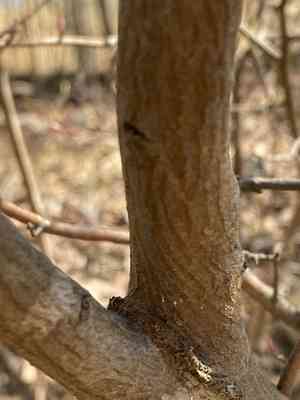
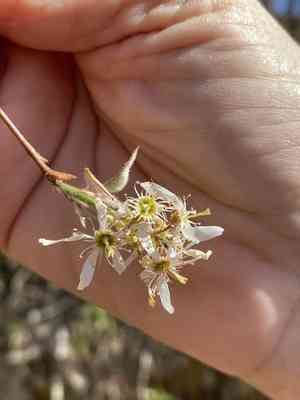
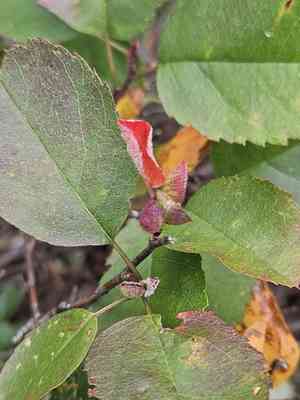
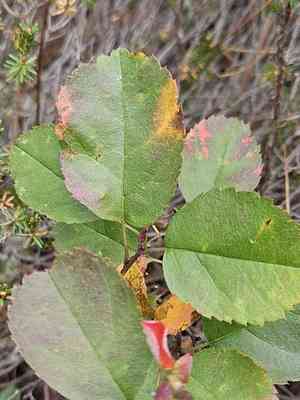
Quickly Identify Running serviceberry
1
Identify Amelanchier stolonifera by its stoloniferous growth habit, white to pale pink flowers in spring, and small, dark purple to black berries in summer. Its leaves are oval and turn vibrant colors in the fall.
Scientific Classification of Running serviceberry
Phylum
Vascular plants
Class
Dicotyledons
Order
Rosales
Family
Rose
Genus
Shadbushes
Species
Running serviceberry
Planting and Growing of Running serviceberry
Care Difficulty
Easy
Watering Schedule
Every 6 days
Sunlight Requirements
Full sun
Sunshine Duration
4-6 hours
Ideal Temperature
55-70℉
Soil Type
Potting Mix, Peat Mix
Soil pH
6.5-7.5
Fertilizer Type
Balanced
Pruning Season
Spring, Summer
Pruning Area
Branches, Leaves
Pruning Frequency
Once a year
Repotting Season
Spring
Pot Type
Plastic, Ceramic
 How to Water Running serviceberry?
The Amelanchier stolonifera thrives when the soil is kept consistently moist, ensuring not to overwater. Aim to water deeply so that the top 6-8 inches of soil are moist but not waterlogged, approximating around 500 ml each session.
What are the symptoms of an underwatered Running serviceberry?
›
What should I do if my Running serviceberry is not getting enough water?
›
What are the symptoms of an overwatered Running serviceberry?
›
How to save an overwatered Running serviceberry?
›
 What Are the Sunlight Requirements for Running serviceberry?
Amelanchier stolonifera prefers full sun to partial sun exposure, with 4 to 6 hours of direct sunlight daily. The benefits of this range include increased photosynthetic capacity, promoting healthier growth, lush blooms, and overall stronger plant vitality.
More About Sunlight Requirements Techniques→
What are ideal lighting conditions for Amelanchier stolonifera?
›
What solutions are there to obtain ideal lighting for this plant?
›
What are the benefits of achieving ideal lighting conditions?
›
 What Is the Ideal Temperature Range for Running serviceberry?
The ideal temperature range for growing Amelanchier stolonifera is between 55°F and 70°F. Within this range, the plant exhibits optimal growth and development, with healthy foliage and flowering. These moderate temperatures provide an environment that encourages strong root establishment and balanced nutrient uptake, essential for the overall health and vigor of the plant. Consistently maintaining temperatures within this range can help ensure that the plant thrives and produces abundant blooms.
 What Soil is Best for Running serviceberry?
Amelanchier stolonifera thrives in well-drained soils as it prevents root rot by ensuring excess water is quickly dispersed. This characteristic helps in maintaining healthy root structures and preventing fungal infections. It requires a nutrient-rich substrate to support its growth and fruit production. A nutrient-dense environment boosts plant vigor and enhances the quality and quantity of berries produced. While it needs well-drained soil, maintaining adequate moisture is crucial to prevent stress, especially during dry periods. Soils that retain moisture without waterlogging ensure consistent hydration for the plant.
 How to Fertilize Running serviceberry?
For Amelanchier stolonifera, precise fertilization is key. A balanced fertilizer with an N-P-K ratio of 10-10-10 is usually recommended. Use approximately 1/2 cup per plant for optimal growth. This ensures that the plant receives adequate nutrients without the risk of over-fertilization, which can harm roots and foliage.
 How to Prune Running serviceberry?
Start by removing any dead, damaged, or diseased wood. This will help the plant direct its energy towards producing more vibrant and healthy growth. Shape the plant by trimming overgrown branches. Use sharp, clean pruning shears to make clean cuts just above a healthy bud to encourage new growth.
More About Pruning Techniques→
 How to Propagate Running serviceberry plant?
1
Select a soil mixture that is well-draining yet retains enough moisture. A combination of peat and sand can work well, ensuring that it is sterilized to prevent fungal diseases.
2
Choose healthy stems to take cuttings from. The stems should be a few inches long, free from any disease or pests, and ideally taken in the morning to ensure they are hydrated.
3
Sow seeds in a moist propagation tray, covering them lightly with soil. Maintain consistent moisture and a warm temperature to encourage germination over the coming weeks.
 How to Repot Running serviceberry plant?
1
Repot Amelanchier stolonifera when you notice the roots are circling the bottom of the container or growing out of the drainage holes. This indicates they have outgrown their current pot. Another signal is the plant’s growth starts to slow down despite regular care, which suggests it might be root-bound and need more space.
2
Select a pot that is only slightly larger than the current one. A pot that is too large can lead to water retention issues, causing root rot. Ensure the pot has adequate drainage holes. A good choice is a ceramic or terracotta pot for its breathability, which helps maintain optimal soil moisture levels.
3
Amelanchier stolonifera thrives in well-draining, loamy soil. The soil should have a balance that encourages healthy root growth while providing sufficient nutrients. A good mix often consists of part peat, part perlite, and part compost, ensuring the roots receive enough air and do not sit in overly wet conditions.



