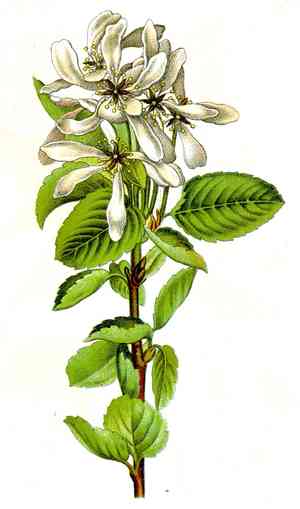
Low serviceberry (Amelanchier humilis)
Also known as: Low shadbush
The low serviceberry (Amelanchier humilis) is a perennial shrub that brings charm throughout the year. It features:
- **Spring**: Small, white, star-shaped flowers bloom, adding early-season beauty.
- **Summer**: Produces tasty, blue-black berries that appeal to both wildlife and people.
- **Fall**: Leaves turn vibrant shades of red and orange, enhancing autumn scenery.
- **Winter**: Its branching structure offers visual interest even in the dormant season.
This shrub thrives best in full sun to partial shade.
In This Article
Attributes of Low serviceberry
Lifespan
Perennial
Plant Type
Shrub
Plant Height
91 cm to 1.5 m
Spread
90 cm to 1.5 m
Leaf Color
Green Blue
Flower Size
2.5 cm
Flower Color
White
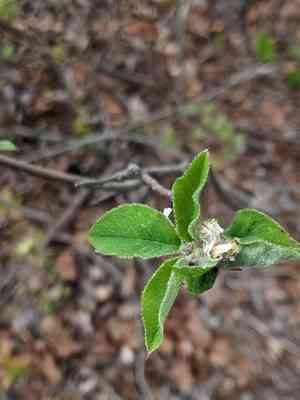
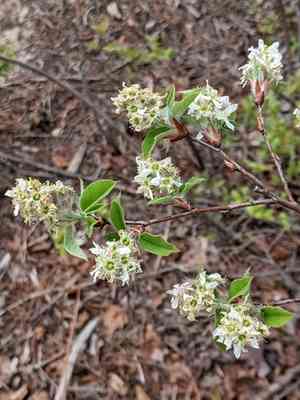
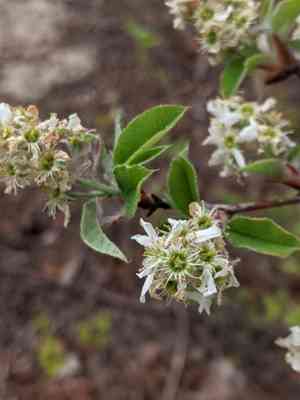
Images of Low serviceberry
Quickly Identify Low serviceberry
1
To identify Amelanchier humilis, look for a low-growing shrub that typically reaches up to 1.5 meters in height. It has simple, alternate leaves that are ovate to elliptical. In spring, it produces clusters of small, white five-petaled flowers. The plant bears small, purplish-black berries in the summer.
Scientific Classification of Low serviceberry
Phylum
Vascular plants
Class
Dicotyledons
Order
Rosales
Family
Rose
Genus
Shadbushes
Species
Low serviceberry
Planting and Growing of Low serviceberry
Care Difficulty
Easy
Watering Schedule
Every 4 days
Sunlight Requirements
Partial sun
Sunshine Duration
6-8 hours
Ideal Temperature
60-75℉
Soil Type
Potting Mix, Peat Mix
Soil pH
6-8
Fertilizer Type
Balanced
Pruning Season
Spring, Summer
Pruning Area
Branches, Leaves
Pruning Frequency
2 times a year
Repotting Season
Spring
Pot Type
Plastic, Ceramic
 How to Water Low serviceberry?
For Amelanchier humilis, ensure the soil is consistently moist but not waterlogged. The rule of thumb is to water until the top inch of the soil feels moist but not soggy. Typically, this means providing approximately 500 milliliters of water per session, allowing excess to drain away to prevent root rot.
What are the symptoms of an underwatered Low serviceberry?
›
What should I do if my Low serviceberry is not getting enough water?
›
What are the symptoms of an overwatered Low serviceberry?
›
How to save an overwatered Low serviceberry?
›
 What Are the Sunlight Requirements for Low serviceberry?
Partial sun exposure provides the best growth conditions for Amelanchier humilis. Consistently receiving light for 4 to 6 hours daily encourages healthy development and vibrant blooming.
More About Sunlight Requirements Techniques→
What is the best time for sun exposure?
›
How to provide balanced sunshine?
›
What are the benefits of getting the right amount of light?
›
 What Is the Ideal Temperature Range for Low serviceberry?
The ideal temperature range for Amelanchier humilis falls between 60 and 75°F. This range supports optimal growth and ensures healthy foliage and flowering. Maintaining these temperatures helps the plant thrive by facilitating photosynthesis and nutrient uptake. Moreover, consistent temperatures within this range reduce plant stress and contribute to overall vigor.
 What Soil is Best for Low serviceberry?
Amelanchier humilis thrives in well-drained soil, which prevents root rot by allowing excess water to escape. This condition ensures healthy root development and robust plant growth, supporting optimal nutrient uptake. Maintaining adequate soil moisture is crucial for Amelanchier humilis, as it prefers slightly moist conditions. This aids in steady growth and provides the plant with a consistent supply of water, particularly during dry spells. The plant benefits from nutrient-rich soil that sustains flowering and fruiting. Organic matter or well-rotted compost can be mixed into the soil to enhance fertility, promoting lush foliage and abundant blooms.
 How to Fertilize Low serviceberry?
For Amelanchier humilis, it is essential to apply a balanced fertilizer that provides all necessary macro and micronutrients without overwhelming the plant. Use a 10-10-10 (N-P-K) formulation at a strength of approximately 1/2 tablespoon per gallon of water for liquid fertilizer applications. For slow-release fertilizers, distribute around 1/2 pound per 100 square feet. This ensures the plant receives enough nutrients for optimal growth without running the risk of nutrient burn.
 How to Prune Low serviceberry?
Start by removing any dead, damaged, or diseased branches to ensure the plant's health. Thin out the interior branches to improve air circulation and light penetration. Trim back any overly long branches to maintain the desired shape and size. Focus on cutting just above a bud that faces outward to encourage growth in that direction. The best time to prune Amelanchier humilis is in early spring before new growth begins. Pruning during this time minimizes stress on the plant and promotes vigorous rejuvenation. Avoid late summer or autumn pruning, as this might encourage new, tender growth susceptible to frost damage.
More About Pruning Techniques→
 How to Propagate Low serviceberry plant?
1
Collect seeds from mature Amelanchier humilis fruits in late autumn. Clean the seeds to remove any fruit residue and allow them to dry before storage or immediate planting.
2
Select healthy wood stems in early spring. Use sharp pruners to take 4-6 inch cuttings just below a node, ensuring to include at least two nodes for root development.
3
In spring, carefully dig up the plant and separate the root clumps into smaller sections. Each division should have at least one bud and a portion of the root system to ensure successful regrowth.
 How to Repot Low serviceberry plant?
1
Amelanchier humilis usually signals the need for repotting when its roots begin to protrude from the drainage holes or appear densely packed. The best times to repot are in spring or summer when the plant is actively growing, as this ensures quicker recovery.
2
Select a pot that is slightly larger than the current one with good drainage. A slightly larger pot assists in gradual root expansion while preventing waterlogging—a crucial factor for healthy plant development.
3
For Amelanchier humilis, favor a well-draining soil that retains moisture but doesn't stay soggy. A loamy mix with a balance of organic matter supports robust root aeration, promoting healthy plant growth.



