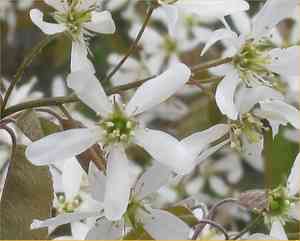
Canadian serviceberry (Amelanchier canadensis)
Also known as: Thicket serviceberry, Juneberry
The Canadian serviceberry (Amelanchier canadensis) is a deciduous shrub native to eastern North America and widely cultivated across the continent. While it is popular for its ornamental value, it also serves other purposes. The plant's berries are edible and enjoyed fresh or in various culinary preparations like jams and pies. Additionally, it supports wildlife by providing food for birds and other animals. Its root system helps control erosion, and it even finds occasional use in bonsai art.
Attributes of Canadian serviceberry
Images of Canadian serviceberry

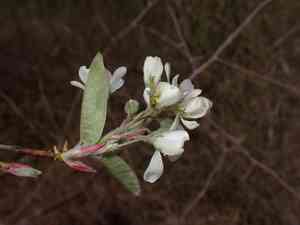
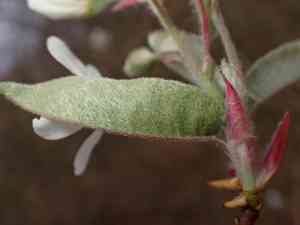
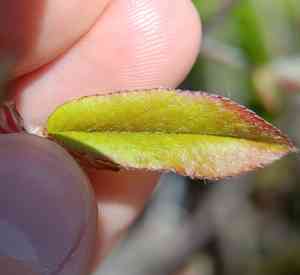
Quickly Identify Canadian serviceberry
Scientific Classification of Canadian serviceberry
Planting and Growing of Canadian serviceberry
 How to Water Canadian serviceberry?
 What Are the Sunlight Requirements for Canadian serviceberry?
 What Is the Ideal Temperature Range for Canadian serviceberry?
 What Soil is Best for Canadian serviceberry?
 How to Fertilize Canadian serviceberry?
 How to Prune Canadian serviceberry?
 How to Propagate Canadian serviceberry plant?
 How to Repot Canadian serviceberry plant?
Toxicity of Canadian serviceberry
Is Canadian serviceberry toxic to cat?
The Canadian serviceberry presents a moderate toxicity threat to felines. Cats can be exposed to this risk by consuming various parts of the plant, including its stems, leaves, or unripe fruits. After ingestion, cats may exhibit symptoms of physical discomfort or illness, which are signs of potential poisoning. Pet owners who notice these symptoms in their animals should quickly seek veterinary assistance. To ensure the safety and health of cats, it is essential to restrict their access to the Canadian serviceberry and remain attentive to early indicators of distress.
Is Canadian serviceberry toxic to dog?
The Canadian serviceberry presents a moderate threat of toxicity to dogs. Poisoning generally takes place when a dog consumes various parts of the plant, particularly the stems, leaves, or immature berries. Following the ingestion of these components of the Canadian serviceberry, dogs may show symptoms that suggest poisoning. It is vital for dog owners to keep a close watch on their pets and restrict access to Canadian serviceberry, especially during the growing season when the hazardous parts are easily reachable. If a dog does consume any part of the Canadian serviceberry, swift veterinary care is critical to guarantee appropriate treatment and attention.



