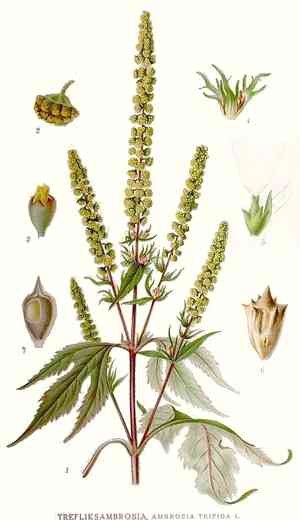
Giant ragweed(Ambrosia trifida)

Giant ragweed (Ambrosia trifida)

Also known as: Horseweed, Great ragweed

Ragweed, native to North America, significantly impacts allergy sufferers, affecting over 23 million Americans each year. Despite its notorious pollen, Native Americans once cultivated this plant, utilizing its seeds for their nutritional value. However, ragweed can be invasive and often outcompetes other native species, making it unsuitable for modern horticultural practices.

Attributes of Giant ragweed

Lifespan
Annual
Plant Type
Herb
Plant Height
2 m
Spread
1.5 m
Leaf Color
Green Blue
Flower Size
5 mm
Flower Color
Yellow Green

ForwardPlant - Identify plants with a snap

Identify and diagnose plants, get toxicity alerts, and explore safety guides for all types of fungi.

Try for Free

Images of Giant ragweed

Giant ragweed(Ambrosia trifida)

Quickly Identify Giant ragweed

1
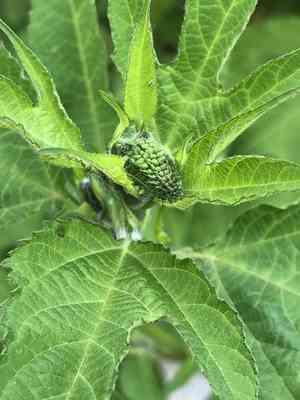
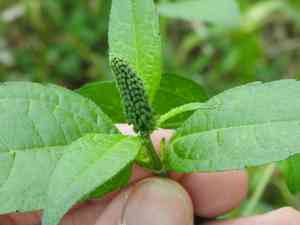
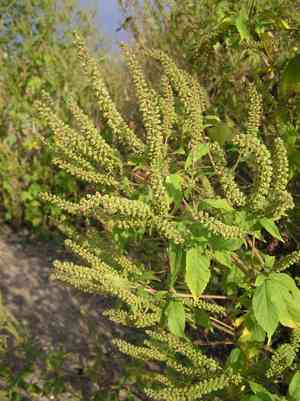
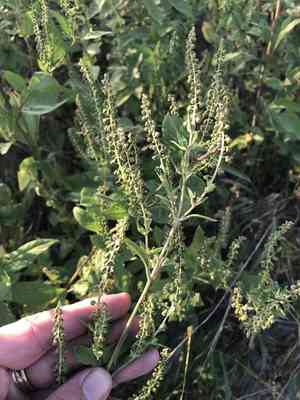
Giant ragweed can be identified by its large, lobed leaves that have three to five deeply cut segments. The plant typically grows 1 to 4 meters tall and has greenish, inconspicuous flowers arranged in terminal spikes.

Scientific Classification of Giant ragweed

Phylum
Vascular plants
Class
Dicotyledons
Order
Asterales
Family
Daisy
Genus
ragweed
Species
Giant ragweed

Planting and Growing of Giant ragweed

Care Difficulty
Easy
Watering Schedule
Every 2 days
Sunlight Requirements
Full sun
Sunshine Duration
6-10 hours
Ideal Temperature
68-77℉
Soil Type
Potting Mix, Peat Mix
Soil pH
6-7.5
Fertilizer Type
Balanced
Pruning Season
Spring, Summer
Pruning Area
Branches, Leaves
Pruning Frequency
2 times a year
Repotting Season
Spring
Pot Type
Plastic, Ceramic

water icon How to Water Giant ragweed?

Ambrosia trifida, commonly known as giant ragweed, thrives when its soil is moderately moist. Ensure the soil is watered until it feels evenly damp. Typically, about 500 milliliters of water per session will suffice, depending on the soil type and weather conditions.
What are the symptoms of an underwatered Giant ragweed?
What should I do if my Giant ragweed is not getting enough water?
What are the symptoms of an overwatered Giant ragweed?
How to save an overwatered Giant ragweed?

sunlight icon What Are the Sunlight Requirements for Giant ragweed?

Sunlight Requirements: Full sun, Partial sun
Duration of light: 6-8 hours daily
Ambrosia trifida benefits from a range of partial to full sun exposure. This ensures quick growth, robust development, and a more resilient plant able to thrive in diverse conditions.
How much direct sunlight is needed?
What problems could arise from insufficient light exposure?
What measures can be taken to achieve ideal lighting?

temperature icon What Is the Ideal Temperature Range for Giant ragweed?

Ideal Temperature: 68 ~ 77℉
The ideal temperature range for Ambrosia trifida is critical for optimal growth. Typically, this plant thrives in temperatures between 68°F and 77°F. Maintaining this range ensures the plant can photosynthesize efficiently and sustain robust growth. Temperature outside this range may limit nutrient uptake and stress the plant, hence it is crucial to regulate environmental conditions around this ideal range.

soil icon What Soil is Best for Giant ragweed?

Soil type: Sandy soil, Loam
Soil PH: 6 ~ 7.5
Ambrosia trifida thrives in nutrient-rich soils that provide ample resources for growth. Ensuring the soil is full of organic matter will significantly aid in its development, enhancing leaf output and overall plant health. The plant prefers soil that can retain moisture without becoming waterlogged. This ensures that the roots remain hydrated, promoting robust growth while preventing root rot which can occur in overly saturated soil. Having a well-drained soil structure is crucial for Ambrosia trifida as it prevents water accumulation that could lead to root diseases. Proper drainage facilitates healthy root growth and contributes to the plant's stability and strength.

fertilize icon How to Fertilize Giant ragweed?

Fertilizer type: Balanced
For Ambrosia trifida, it's crucial to maintain a balanced approach. Use 1/2 teaspoon of liquid fertilizer mixed with water per gallon, applied every couple of weeks. Slow-release granules should be used sparsely, roughly 1 tablespoon spread evenly over a square foot of soil. Always adjust the amount based on the plant's age and environmental conditions.

prune icon How to Prune Giant ragweed?

Pruning Time: Spring, Summer, Autumn
Focus on trimming any overgrown or sprawling branches. Look for stems that extend beyond the desired perimeter and those that cross over each other, as these can cause tangling and poor air circulation. After pruning, gather all cuttings and dispose of them promptly. Ambrosia trifida can root easily from cuttings left on moist soil, potentially leading to unwanted spreading. Proper disposal aids in maintaining control.

propagate icon How to Propagate Giant ragweed plant?

Propagate Time: Spring,Early Spring,Late Spring
1
Collect seeds from mature Ambrosia trifida plants during the autumn season. Clean the seeds thoroughly and store them in a cool, dry place until the early spring for planting.
2
In early spring, fill seed trays with a sterile potting mix and sow the seeds about an inch deep. Water the soil lightly to ensure it remains moist but not waterlogged.
3
Once the seedlings have developed a few sets of true leaves, transplant them into individual pots or a prepared garden bed. Ensure they receive adequate sunlight and are protected from any late frost.

repot icon How to Repot Giant ragweed plant?

Repotting frequency: Every 1-2 years
1
Ambrosia trifida signals that it requires repotting when its roots outgrow the current pot, evidenced by roots poking through drainage holes. Another sign is an overall decline in health and vigor, struggling to thrive despite regular care. Additionally, if the soil becomes overly compacted and hinders water absorption, it's time for a fresh start.
2
Select a pot that is 1-2 inches larger in diameter than the current one, with adequate drainage holes. This will provide enough room for root expansion without overwhelming the plant. The material should allow for proper aeration and temperature stability, fostering a healthy root system.
3
Opt for a well-drained, loamy soil mix that retains enough moisture without becoming waterlogged. This ensures the roots get adequate hydration while preventing root rot from stagnant water. Adding organic material like compost can enhance soil fertility and structure, supporting robust growth.

ForwardPlant - Identify plants with a snap

Find the best spots for them to optimize their health, simply using your phone.

Try for Free

Toxicity of Giant ragweed

Is Giant ragweed toxic to cat?

Giant ragweed represents a toxic danger to cats. When cats accidentally consume any part of this plant, they face the risk of poisoning, which may result in signs of physical distress. The methods of poisoning can occur through the consumption of leaves, stems, or any other components of giant ragweed. Although the exact toxins are not specified, cat owners must remain alert regarding the existence of giant ragweed in their surroundings. Should accidental ingestion lead to illness, it is crucial to obtain immediate veterinary assistance for the cat to guarantee timely and suitable treatment.

Is Giant ragweed toxic to dog?

Giant ragweed is deemed hazardous to dogs. Canines can unintentionally consume various parts of this plant, resulting in possible toxicity. Given that every part of giant ragweed is poisonous, it is essential for pet owners to remain alert and prevent their dogs from interacting with or eating any part of the plant. Should a dog ingest giant ragweed, they may display symptoms such as gastrointestinal distress, dermal irritation, or potentially more severe reactions, contingent upon the quantity ingested. In cases of suspected giant ragweed poisoning, it is crucial for pet owners to seek prompt veterinary assistance to ensure the best possible outcome for their pets.

Identify toxic plants for your safety

Learn which plants are harmful to you and your pets, and make informed choices for a safer home!

Try for Free
WARNING
The judgment on toxicity and danger is for reference only. We DO NOT GUARANTEE any accuracy of such judgment. Therefore, you SHALL NOT rely on such judgment. It is IMPORTANT TO SEEK PROFESSIONAL ADVICE in advance when necessary.
More About Toxic Techniques