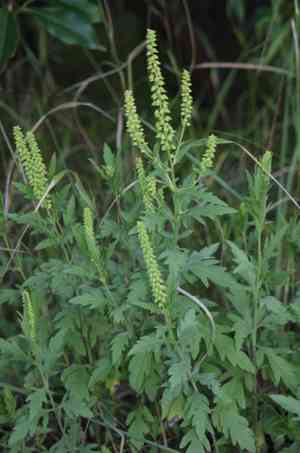
Cuman ragweed (Ambrosia psilostachya)
Also known as: Western ragweed
Cuman ragweed (Ambrosia psilostachya) is a perennial plant commonly found in fields and along roadsides. It prefers dry, well-drained soil for optimal growth. Notably, this plant can cause allergic reactions in many individuals due to its pollen.
In This Article
Attributes of Cuman ragweed
Lifespan
Perennial, Annual
Plant Type
Herb
Plant Height
1 m
Spread
8 cm to 15 cm
Leaf Color
Green White
Flower Size
2.5 cm
Flower Color
Yellow Green
Images of Cuman ragweed
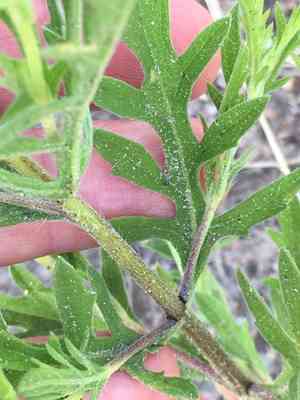
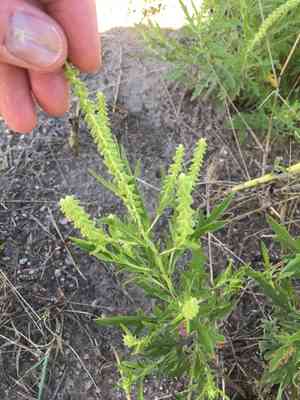
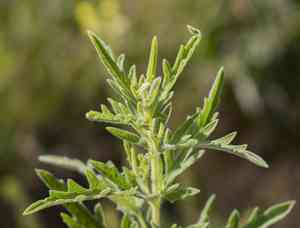
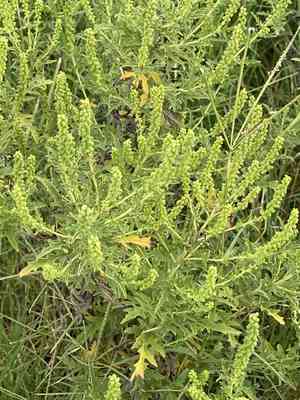
Quickly Identify Cuman ragweed
1
Ambrosia psilostachya can be identified by its tall, erect stems with finely divided, almost fern-like leaves and small, greenish flowers that form in spikes. During the flowering season, it produces copious amounts of pollen, which often causes allergies.
Scientific Classification of Cuman ragweed
Phylum
Vascular plants
Class
Dicotyledons
Order
Asterales
Family
Daisy
Genus
ragweed
Species
Cuman ragweed
Planting and Growing of Cuman ragweed
Care Difficulty
Easy
Watering Schedule
Every 4 days
Sunlight Requirements
Full sun
Sunshine Duration
6-8 hours
Ideal Temperature
68-77℉
Soil Type
Potting Mix, Peat Mix
Soil pH
6.5-7.5
Fertilizer Type
Balanced
Pruning Season
Spring, Summer
Pruning Area
Branches, Leaves
Pruning Frequency
2 times a year
Repotting Season
Spring
Pot Type
Terracotta, Plastic
 How to Water Cuman ragweed?
The watering amount for Ambrosia psilostachya should be enough to moisten the topsoil, allowing approximately 250 ml per session. This ensures the roots have adequate moisture but are not submerged. It's crucial to water just enough so the soil retains some moisture without becoming soggy, promoting healthy growth and avoiding root rot.
What are the symptoms of an underwatered Cuman ragweed?
›
What should I do if my Cuman ragweed is not getting enough water?
›
What are the symptoms of an overwatered Cuman ragweed?
›
How to save an overwatered Cuman ragweed?
›
 What Are the Sunlight Requirements for Cuman ragweed?
Partial sun to full sun conditions are optimal for Ambrosia psilostachya, allowing for robust growth. Ideal lighting supports hardy development, encouraging lush foliage and healthy blooming cycles.
Optimal Light Environment
›
Adjusting for Partial Sun Situations
›
Benefits of Ideal Light Exposure
›
 What Is the Ideal Temperature Range for Cuman ragweed?
Ambrosia psilostachya thrives best within the temperature range of 68°F to 77°F. This range provides the optimal conditions for photosynthesis and metabolic activities. When temperatures fall within this range, the plant can grow robustly with healthy foliage and minimal stress.
 What Soil is Best for Cuman ragweed?
Ambrosia psilostachya thrives in well-draining soils, which prevent waterlogging. This type of soil ensures that the plant’s roots have access to oxygen, promoting healthy growth and preventing root rot. A nutrient-rich substrate is beneficial for this plant as it supports its vigorous growth. Regularly enriching the soil with organic matter or compost can enhance its fertility and provide essential nutrients. The plant requires a balance in soil moisture; neither too dry nor too wet. Maintaining this balance helps in sustaining the plant's hydration without risking overwatering, which could stress the plant.
 How to Fertilize Cuman ragweed?
Ambrosia psilostachya, also known as western ragweed, typically requires minimal fertilization. When applying liquid fertilizer, use a diluted solution, approximately 1/4 strength of the general-purpose houseplant fertilizer, to prevent any nutrient overload.
 How to Prune Cuman ragweed?
Start by identifying the shoots and branches that need removal. Focus on dead or dying stems, and look for branches that cross or compete for space, as these can hinder plant health and aesthetics. Carefully cut back the identified stems to just above a node or bud. This encourages new growth and maintains a tidy appearance. Make sure cuts are clean and angled slightly to prevent water accumulation, which can lead to rot. Regular maintenance involves removing any wilted flowers or seed heads promptly. This not only keeps the plant looking fresh but also helps control seed dispersal, reducing the likelihood of the plant spreading uncontrollably.
 How to Propagate Cuman ragweed plant?
1
Collect mature seeds from the plant, usually found within the flower heads. Ensure the seeds are fully ripe by observing their dark color and ease of detachment. Dry them thoroughly to prevent mold during storage.
2
Select healthy, non-flowering stems around 4-6 inches long. Cut just below a node, removing all but the top two leaves to reduce moisture loss and energy expenditure during root development.
3
When propagating by division, dig up the plant to separate the rhizomes. Ensure each divided section has roots and shoots to foster growth. Replant immediately to prevent the roots from drying out.
 How to Repot Cuman ragweed plant?
1
Repotting Ambrosia psilostachya should be considered when roots start circling the pot, soil drains too quickly after watering, or new growth is stunted. These signs indicate root-bound conditions that necessitate repotting for optimal health and growth.
2
Select a pot that is 1-2 inches larger in diameter than the current one. This allows sufficient space for root expansion without overwhelming the plant, promoting balanced growth. Ensure the pot has drainage holes to prevent waterlogging, which may lead to root rot.
3
Use well-draining sandy loam soil enriched with organic matter. This type of soil provides adequate drainage while retaining essential nutrients, creating an ideal environment for Ambrosia psilostachya to thrive, fostering healthy root development and growth.



