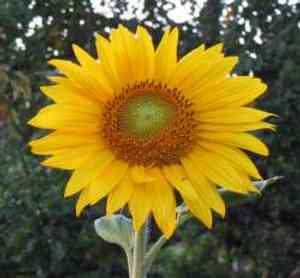
Cheeseweed burrobrush (Ambrosia monogyra)
Also known as: Ragweed, Single-whorl Ragweed
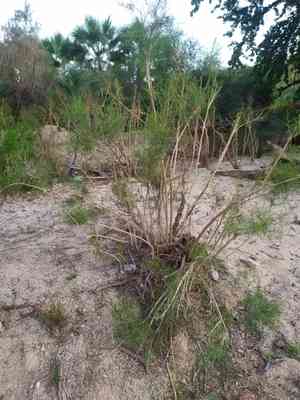
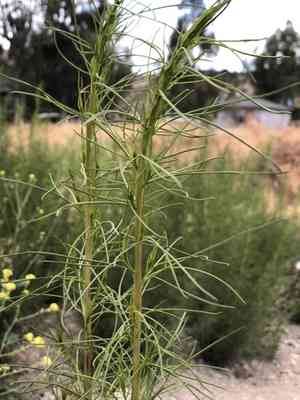
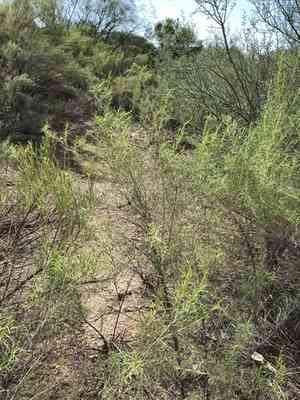
Ambrosia monogyra, a shrub that can reach up to 4 meters in height, has very thin, thread-like leaves that can sometimes be divided into slender lobes. Its staminate (male) flowers feature translucent white corollas, while the pistillate (female) flowers form rounded structures where the fruit develops. The fruit is an achene, characterized by a single whorl of several papery wings.
In This Article
Attributes of Cheeseweed burrobrush
Lifespan
Perennial
Plant Type
Shrub
Plant Height
1 to 2 meters
Spread
Approximately 0.5 to 1 meter
Leaf Color
Green
Flower Size
Small, typically less than 0.5 cm
Flower Color
Greenish or yellowish
Images of Cheeseweed burrobrush
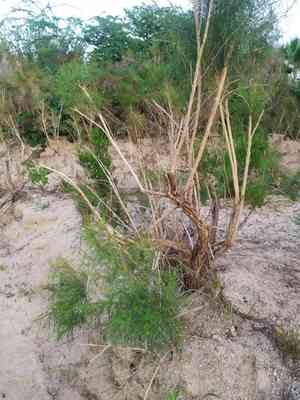
Quickly Identify Cheeseweed burrobrush
1
Identifiable by its distinct lobed leaves and greenish flowers which grow in spikes. It is often found in arid and semiarid environments.
Scientific Classification of Cheeseweed burrobrush
Phylum
Vascular plants
Class
Dicotyledons
Order
Asterales
Family
Daisy
Genus
ragweed
Species
Cheeseweed burrobrush
Planting and Growing of Cheeseweed burrobrush
Care Difficulty
Easy
Watering Schedule
Every 2 days
Sunlight Requirements
Partial sun
Sunshine Duration
4-8 hours
Ideal Temperature
65-75℉
Soil Type
Potting Mix, Peat Mix
Soil pH
6.5-7.5
Fertilizer Type
Balanced
Pruning Season
Spring, Summer
Pruning Area
Branches, Leaves
Pruning Frequency
2 times a year
Repotting Season
Spring
Pot Type
Plastic, Ceramic
 How to Water Cheeseweed burrobrush?
The watering amount for Ambrosia monogyra should aim to moisten the soil without causing waterlogging. Ideally, the soil should be damp to the touch, but not soggy. Water until you notice a slight drainage from the bottom of the pot to ensure the roots have adequate access to moisture.
What are the symptoms of an underwatered Cheeseweed burrobrush?
›
What should I do if my Cheeseweed burrobrush is not getting enough water?
›
What are the symptoms of an overwatered Cheeseweed burrobrush?
›
How to save an overwatered Cheeseweed burrobrush?
›
 What Are the Sunlight Requirements for Cheeseweed burrobrush?
Partial sun is ideal, as it ensures Ambrosia monogyra receives enough light for photosynthesis while avoiding excessive heat and light stress. This optimally supports healthy growth and vibrant foliage.
How much light does Ambrosia monogyra need?
›
What are the best places to grow Ambrosia monogyra?
›
How can I ensure Ambrosia monogyra gets enough light?
›
 What Is the Ideal Temperature Range for Cheeseweed burrobrush?
The ideal temperature range for growing Ambrosia monogyra is between 65°F and 75°F. This range ensures optimal growth and physiological processes. Maintaining this range helps in achieving maximum photosynthetic activity, which is critical for the plant's thriving.
 What Soil is Best for Cheeseweed burrobrush?
Ambrosia monogyra thrives on well-drained soil, which prevents waterlogging and root rot. This characteristic allows for better root growth and access to air, which ultimately contributes to healthier plant development. This plant appreciates a nutrient-rich soil for optimal growth. Introducing organic matter, such as compost, enriches the soil's fertility, promoting robust growth and blooming. Although tolerant of dry conditions, Ambrosia monogyra performs best in soils with moderate moisture. This balance supports steady growth, ensuring that the plant receives enough hydration to avoid stress.
 How to Fertilize Cheeseweed burrobrush?
When applying fertilizer to Ambrosia monogyra, it's essential to use a moderate amount. During each liquid fertilizing session, apply approximately 1/2 teaspoon of balanced liquid fertilizer diluted in 1 liter of water. For slow-release granular fertilizers, use about 1 tablespoon per plant base. Adjustments may be required based on the plant's health and soil nutrient content.
 How to Prune Cheeseweed burrobrush?
Begin by examining the plant for dead or diseased branches. Use sharp shears to cut these branches back to the main stem. For shaping, follow the natural contour of the bush. Cut above a bud or leaf node at a 45-degree angle to encourage new growth. Always remove crossing branches to avoid damage and improve air circulation. After the main pruning, trim away any small shoots near the base or coming from the roots to maintain the plant's energy on primary growth. Ensure a tidy appearance by removing any spent flowers or seeds that may divert nutrients away from the growing areas.
More About Pruning Techniques→
 How to Propagate Cheeseweed burrobrush plant?
1
Collect seeds from mature Ambrosia monogyra plants after the flowering season. Ensure seeds are dry and free from any mold or pests before using them for propagation.
2
Choose healthy, non-flowering stems and cut them below a node. Remove lower leaves, leaving a few at the top. This helps the cutting focus energy on root development.
3
Sow the seeds in prepared trays with well-draining soil, or plant the cuttings in a similar medium. Keep the soil moist but not waterlogged, and place in a sunny location.
 How to Repot Cheeseweed burrobrush plant?
1
Ambrosia monogyra should be repotted when you notice roots emerging from the drainage holes, indicating rootbound conditions. Additionally, slow growth or poor overall health suggests the need to refresh the soil and space. Ideally, repot in early spring or autumn to minimize stress.
2
Select a pot that is 2-3 inches larger in diameter than the current one, with ample drainage holes. A clay or terracotta pot is preferable as it allows for better airflow and prevents water retention, crucial for preventing root rot. Ensure the pot is sturdy to support growth.
3
A well-draining soil mix is essential. Aim for sandy or loamy soil with added perlite or grit to enhance drainage. This type of soil prevents waterlogging, reducing the risk of root rot and ensuring the roots receive sufficient oxygen.



