
Lanceleaf ragweed (Ambrosia bidentata)
Also known as: Lance-leaved Ragweed
Ambrosia bidentata, or lanceleaf ragweed, is an annual herb that can grow up to 1 meter in height. Unlike some related species with highly divided leaves, this plant features lance-shaped leaves that are either minimally lobed or not lobed at all. Its flower heads are small and less noticeable, reflecting its adaptation for wind pollination. As the seeds mature, the flower heads transform into spiny burs.
In This Article
Attributes of Lanceleaf ragweed
Lifespan
Annual
Plant Type
Herb
Plant Height
0.5 to 1 meter
Spread
N/A
Leaf Color
Green
Flower Size
Small, less than 1 cm
Flower Color
Greenish
Images of Lanceleaf ragweed
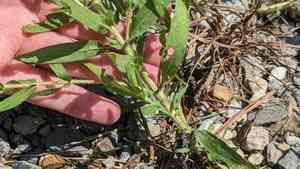
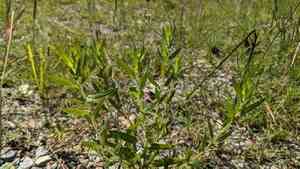
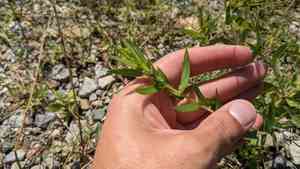
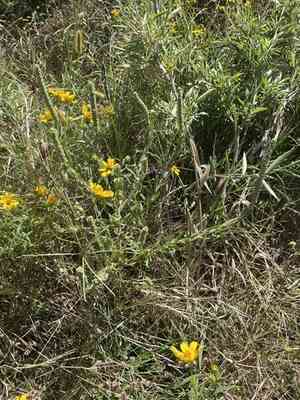
Quickly Identify Lanceleaf ragweed
1
Ambrosia bidentata can be identified by its deeply lobed leaves and small, greenish flowers that form in long clusters or spikes. The leaves are lance-shaped and the plant typically has a rough texture.
Scientific Classification of Lanceleaf ragweed
Phylum
Vascular plants
Class
Dicotyledons
Order
Asterales
Family
Daisy
Genus
ragweed
Species
Lanceleaf ragweed
Planting and Growing of Lanceleaf ragweed
Care Difficulty
Moderate
Watering Schedule
Every 2 days
Sunlight Requirements
Partial sun
Sunshine Duration
4-6 hours
Ideal Temperature
60-75℉
Soil Type
Potting Mix, Peat Mix
Soil pH
6.5-7.5
Fertilizer Type
Balanced
Pruning Season
Spring, Summer
Pruning Area
Branches, Leaves
Pruning Frequency
2 times a year
Repotting Season
Spring
Pot Type
Ceramic, Plastic
 How to Water Lanceleaf ragweed?
When watering Ambrosia bidentata, aim to water the soil until it is moist but not waterlogged. Use approximately 200 ml of water per session, making sure that the top inch of soil is thoroughly moistened. The key is to ensure the soil is moist to the touch without leaving any standing water.
What are the symptoms of an underwatered Lanceleaf ragweed?
›
What should I do if my Lanceleaf ragweed is not getting enough water?
›
What are the symptoms of an overwatered Lanceleaf ragweed?
›
How to save an overwatered Lanceleaf ragweed?
›
 What Are the Sunlight Requirements for Lanceleaf ragweed?
Partial sun exposure ensures the plant receives sufficient energy for photosynthesis, promoting healthy growth while preventing over-exposure-related stress.
Optimal Sunlight Duration
›
Ideal Plant Location
›
Monitor Seasonal Changes
›
 What Is the Ideal Temperature Range for Lanceleaf ragweed?
Ambrosia bidentata thrives when the temperature is kept between 60°F and 75°F. This temperature range facilitates optimal metabolic activities, supporting healthy growth and development of the plant. Providing consistent temperatures within this range ensures robust foliage and a faster growth rate.
 What Soil is Best for Lanceleaf ragweed?
This plant thrives in well-drained soil which helps prevent root rot and ensures the roots have access to necessary oxygen. Proper drainage keeps the soil airy, promoting robust plant growth. A nutrient-rich soil supports the plant's growth by providing essential minerals and nutrients. This helps in producing vibrant foliage and supporting the plant's overall health. It requires a balance in moisture retention, ensuring the soil is not too wet or too dry. This balance helps maintain a consistent supply of water, vital for the plant's physiological processes.
 How to Fertilize Lanceleaf ragweed?
For Ambrosia bidentata, the fertilizer amount should be kept moderate to maintain healthy growth. Use a liquid fertilizer diluted to half strength, applying 500ml per square meter. For solid fertilizers, use about 50 grams per application to prevent over-fertilization and encourage robust plant health.
 How to Prune Lanceleaf ragweed?
Begin pruning your Ambrosia bidentata by removing dead or damaged branches. Use clean cuts at a 45-degree angle to aid water runoff. Trim away any crossing branches that could rub against each other, which leads to wounds and potential infection. Make sure to stand back and assess your progress frequently, ensuring you maintain a balanced shape that enhances aesthetic appeal and airflow. Once pruning is complete, keep an eye on the plant's response over the following weeks. New growth indicates successful pruning, while stunted growth may signal shock or stress. Adjust your watering and fertilization schedule if necessary to support recovery.
More About Pruning Techniques→
 How to Propagate Lanceleaf ragweed plant?
1
Collect mature seeds from Ambrosia bidentata in the autumn for spring sowing. Ensure seeds are fully dry before storage to prevent mold.
2
Select and cut healthy stems approximately 4-6 inches long, making sure each cutting has several nodes to enhance rooting success when planted.
3
Divide established plants in early summer by carefully separating root clusters, ensuring each section has sufficient roots for establishing new growth.
 How to Repot Lanceleaf ragweed plant?
1
Repotting Ambrosia bidentata requires attention to growth signs. If roots appear at pot drainage holes or growth seems stunted, it's repotting time. Choose early spring or summer when growth is active, avoiding dormancy.
2
Select a pot with ample drainage to prevent root rot. Opt for one size up from the current pot to promote steady growth without waterlogging. The material can be clay or plastic; clay aids breathability while plastic retains moisture, ideal for different climates.
3
Use a well-draining sandy soil mix to mimic natural conditions. This ensures excess water drains efficiently, reducing root rot risks. Adding perlite or coarse sand enhances aeration and drainage, nurturing a robust root system.



