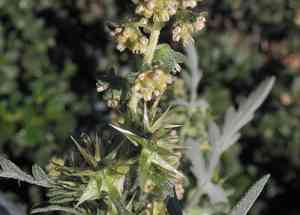
Flatspine bur ragweed (Ambrosia acanthicarpa)
Also known as: Flat-Spine Burr-Ragweed, Bursage, Flatspine Burr Ragweed, Hooker's bur-ragweed, Annual bur-sage
Ragweed, particularly species like Flatspine bur ragweed (Ambrosia acanthicarpa), belongs to the sunflower family and is notorious for triggering hay fever during late summer and early fall. These plants are prolific pollen producers, with each capable of releasing over a billion pollen grains annually, often turning their flowers from green to yellow due to the sheer volume.
Attributes of Flatspine bur ragweed
Images of Flatspine bur ragweed
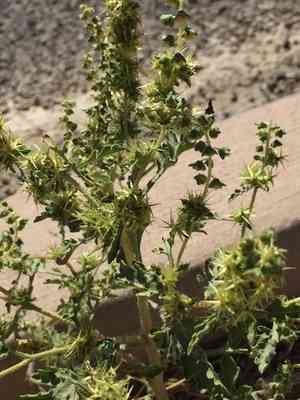
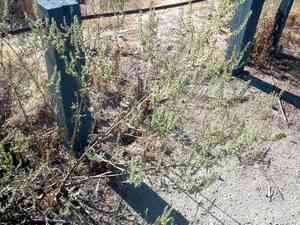
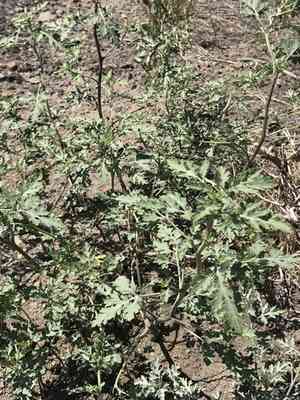
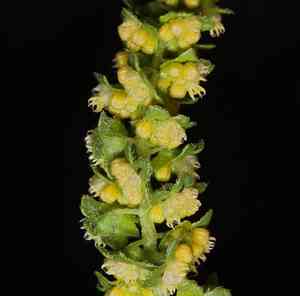
Quickly Identify Flatspine bur ragweed
Scientific Classification of Flatspine bur ragweed
Planting and Growing of Flatspine bur ragweed
 How to Water Flatspine bur ragweed?
 What Are the Sunlight Requirements for Flatspine bur ragweed?
 What Is the Ideal Temperature Range for Flatspine bur ragweed?
 What Soil is Best for Flatspine bur ragweed?
 How to Fertilize Flatspine bur ragweed?
 How to Prune Flatspine bur ragweed?
 How to Propagate Flatspine bur ragweed plant?
 How to Repot Flatspine bur ragweed plant?
Toxicity of Flatspine bur ragweed
Is Flatspine bur ragweed toxic to humans?
Humans may experience poisoning upon contact with airborne pollen emitted from the flatspine bur ragweed plant. This plant is known for its potent allergenic properties, with symptoms that can vary from mild to severe. The pollen produced by this plant is toxic, leading to symptoms such as fever, dermatitis, and notably, allergic rhinitis. Wind carries the pollen, posing a risk to individuals who inhale it. This pollen can linger in the air for extended periods and travel significant distances. The flatspine bur ragweed is indigenous to numerous countries and is commonly found in residential areas.


