Amberboa (Amberboa) (Amberboa)
Also known as: Sweet Sultan, Amberboa moschata
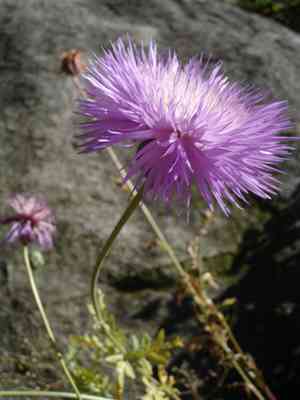
Amberboa is a genus of flowering plants in the daisy family, known for its attractive and fragrant flowers. The most commonly cultivated species is Amberboa moschata, also known as Sweet Sultan. These annuals are popular in gardens for their vibrant, thistle-like blooms and ease of care.
In This Article
Attributes of Amberboa (Amberboa)
Lifespan
Annual
Plant Height
1-2 feet
Spread
1-2 feet
Leaf Color
Green
Flower Size
2-4 inches
Flower Color
Pink, Purple, White
Images of Amberboa (Amberboa)
Quickly Identify Amberboa (Amberboa)
1
To identify Amberboa, look for thistle-like, fragrant flowers with a central disk and radiating petals that are typically pink, purple, or white. The leaves are green, oblong, and slightly lobed. The plant usually grows around 1-2 feet tall with a bushy habit.
Scientific Classification of Amberboa (Amberboa)
Phylum
Magnoliophyta
Class
Magnoliopsida
Order
Asterales
Family
Asteraceae
Genus
Amberboa
Planting and Growing of Amberboa (Amberboa)
Care Difficulty
Moderate
Watering Schedule
Every 3 days
Sunlight Requirements
Full sun
Sunshine Duration
6-10 hours
Ideal Temperature
60-75℉
Soil Type
Potting Mix, Peat Mix
Soil pH
6.5-7.5
Fertilizer Type
Balanced
Pruning Season
Spring, Summer
Pruning Area
Branches, Leaves
Pruning Frequency
2 times a year
Repotting Season
Spring
Pot Type
Plastic, Ceramic
 How to Water Amberboa (Amberboa)?
Amberboa prefers a moderate watering regimen. Ensure the soil is kept evenly moist but never waterlogged. Water the plant with about 250 ml each time, allowing the soil to slightly dry out between waterings to maintain adequate moisture levels without excess.
What are the symptoms of an underwatered Amberboa (Amberboa)?
›
What should I do if my Amberboa (Amberboa) is not getting enough water?
›
What are the symptoms of an overwatered Amberboa (Amberboa)?
›
How to save an overwatered Amberboa (Amberboa)?
›
 What Are the Sunlight Requirements for Amberboa (Amberboa)?
Amberboa flourishes in full or partial sunlight. Adequate light encourages robust growth, vivid blooms, and enhances the plant's overall health.
What is the ideal light condition?
›
How can I ensure Amberboa gets its ideal light?
›
What are the benefits of providing ideal light?
›
 What Is the Ideal Temperature Range for Amberboa (Amberboa)?
Amberboa thrives best within a temperature range of 60°F to 75°F. Maintaining this range ensures optimal growth and flowering, as it closely mimics the plant's natural habitat conditions.
 What Soil is Best for Amberboa (Amberboa)?
Amberboa thrives in well-drained soils, preventing waterlogging and root rot. Ensuring good drainage helps the plant maintain healthy root systems, essential for nutrient uptake and stability. This plant benefits from a fertile soil enriched with organic matter. Nutrient-rich soil supports robust growth and vibrant blooms, enhancing the plant's overall aesthetic appeal. Maintaining a neutral pH between 6.5 to 7.5 is ideal for Amberboa, ensuring optimal nutrient availability. This range prevents nutrient deficiencies or toxicities, promoting healthy growth.
 How to Fertilize Amberboa (Amberboa)?
Amberboa plants prefer balanced nutrients. A liquid fertilizer with an NPK ratio of 10-10-10 should be applied at a rate of 1 tablespoon per gallon of water. Ensure even coverage and avoid fertilizer runoff to prevent root burn.
 How to Prune Amberboa (Amberboa)?
Early spring is the best time to start your pruning. Aim to prune on days with mild weather to reduce stress on the plant. Regular removal of spent or fading flowers will encourage the Amberboa to put more energy into producing new blooms, rather than seeds. Trim any excessively long stems back to a pair of healthy leaves to keep the shape compact and tidy. This will also support overall plant health and aesthetics. While pruning, avoid removing more than one-third of the plant at a time to prevent shock and allow it to recover swiftly, ensuring continued growth and flowering.
 How to Propagate Amberboa (Amberboa) plant?
1
Start by soaking Amberboa seeds in lukewarm water for 24 hours. This helps to soften the seed coat and enhance germination rates. After soaking, dry the seeds gently before sowing.
2
Fill seed trays with a well-draining seed-starting mix. Sow the seeds on the surface and lightly cover them with a thin layer of soil or vermiculite. Water gently using a spray bottle to keep the soil moist but not waterlogged.
3
For cutting propagation, select healthy Amberboa stems and cut them just below a node. The ideal cutting is about 4-6 inches long. Remove the lower leaves and dip the cut end in rooting hormone to encourage root development.
 How to Repot Amberboa (Amberboa) plant?
1
Repot Amberboa when you notice roots protruding from the drainage holes or when growth seems stunted. Spring and summer are ideal when the plant is actively growing, allowing it to adapt better to the new pot.
2
Select a pot that's one size larger than the current one, with adequate drainage holes. This ensures enough space for root growth while preventing waterlogging, which could encourage root rot.
3
Opt for a well-draining soil mix, such as a blend of peat, perlite, and coarse sand. This mix supports proper aeration and retains the right amount of moisture without becoming soggy.
Learn More About Amberboa (Amberboa) Diseases
Anthracnose
Bacterial Leaf Spot
Bacterial Wilt
Chemical Injury
Crown Gall
Cyst Nematode
Damping-off
Downy Mildew
Drought Stress
Fusarium Wilt
Gray Mold
Leaf Curl
Leaf Spot
Mosaic
Nutrient Deficiency
Nutrient Toxicity
Powdery Mildew
Root Rot
Root-knot Nematode
Rusts
Sooty Mold
Spider Mites
Temperature Stress
Thrips Damage
White Mold

