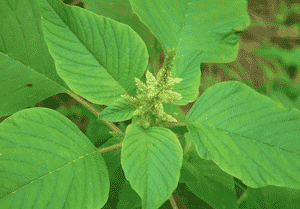
Green amaranth (Amaranthus viridis)
Also known as: Slender amaranth, Slender pigweed
Green amaranth is a versatile annual herb with a variety of applications across different countries. Commonly consumed as a boiled vegetable, its leaves and stems are nutrient-rich and often included in traditional dishes. The seeds, which have a nutty flavor, can be roasted and eaten as a snack. With a high protein content that includes the essential amino acid lysine, green amaranth serves as a valuable protein source, particularly for vegetarians. This nutrient profile makes it a beneficial addition to diets worldwide.
In This Article
Attributes of Green amaranth
Lifespan
Annual
Plant Type
Herb
Plant Height
40 cm to 80 cm
Spread
30 cm
Leaf Color
Green
Flower Size
4 mm to 2 cm
Flower Color
Green Yellow
Images of Green amaranth
Quickly Identify Green amaranth
1
Amaranthus viridis can be identified by its erect stature, smooth and slightly hairy stems, and elongated, spear-shaped leaves with prominent veins. The small green flowers are clustered in spikes, and the plant produces tiny, round, black seeds.
Scientific Classification of Green amaranth
Phylum
Vascular plants
Class
Dicotyledons
Order
Pinks, cacti, and allies
Family
Amaranth
Genus
Amaranths
Species
Green amaranth
Planting and Growing of Green amaranth
Care Difficulty
Easy
Watering Schedule
Every 4 days
Sunlight Requirements
Full sun
Sunshine Duration
4-8 hours
Ideal Temperature
75-85℉
Soil Type
Potting Mix, Peat Mix
Soil pH
6.5-7.5
Fertilizer Type
Balanced
Pruning Season
Spring, Summer
Pruning Area
Branches, Leaves
Pruning Frequency
2 times a year
Repotting Season
Spring
Pot Type
Plastic, Ceramic
 How to Water Green amaranth?
For Amaranthus viridis, it's crucial to maintain adequate soil moisture without waterlogging. When watering, aim for the soil to be consistently moist but not soggy. This plant prefers a moderate amount of water about 500 ml per watering session, ensuring the soil is evenly wet until some water starts draining from the bottom, but it should not sit in water.
What are the symptoms of an underwatered Green amaranth?
›
What should I do if my Green amaranth is not getting enough water?
›
What are the symptoms of an overwatered Green amaranth?
›
How to save an overwatered Green amaranth?
›
 What Are the Sunlight Requirements for Green amaranth?
Amaranthus viridis performs well with six to eight hours of sunlight daily. This range supports the plant's photosynthetic needs, enabling it to flourish in terms of growth dynamics and overall plant vigor.
What is the ideal lighting for Amaranthus viridis?
›
How can optimal light exposure be achieved?
›
What are the benefits of ideal lighting for this plant?
›
 What Is the Ideal Temperature Range for Green amaranth?
The ideal temperature range for Amaranthus viridis is between 75°F and 85°F. This range provides the necessary warmth for optimal growth and photosynthesis. At these temperatures, the plant experiences efficient metabolic processes, leading to healthy leaf development and overall robust health.
 What Soil is Best for Green amaranth?
Amaranthus viridis thrives best in well-drained soils, which prevent waterlogging and root rot. This supports robust root growth and overall plant health. Soils enriched with organic matter, like compost, provide essential nutrients for Amaranthus viridis, enhancing its growth rate and foliage vibrancy. The plant does not require excessively fertile soils. Moderate fertility helps avoid nutrient burn and ensures balanced growth with sturdy stems.
 How to Fertilize Green amaranth?
For Amaranthus viridis, use a balanced fertilizer at a concentration of half the recommended dose on the package. This ensures the plant gets the necessary nutrients without overwhelming it, maintaining healthy growth and vibrant foliage.
 How to Prune Green amaranth?
Begin by selecting the right tools such as a sharp pair of scissors or pruning shears. Identify older, diseased, or yellowing leaves and stems and trim them back to the base of the plant. Focus on maintaining a clean, open structure. Prune Amaranthus viridis to encourage a desired shape by cutting back overgrown or unruly branches. Pay attention to maintaining a symmetrical appearance to ensure even sunlight exposure.
 How to Propagate Green amaranth plant?
1
Fill the seed trays with a sterilized, well-draining potting mix. Ensure the soil is slightly moist to the touch and free of debris and weeds, as this provides a healthy starting point for seedlings.
2
Scatter the Amaranthus viridis seeds evenly on the soil surface. Cover them with a thin layer of potting mix, about twice the thickness of the seeds, as proper seed coverage aids germination.
3
Gently water the seeds with a fine mist to avoid displacing them. Maintain consistent moisture by checking regularly, but avoid waterlogging, which can lead to rot.
 How to Repot Green amaranth plant?
1
Amaranthus viridis needs repotting when you notice roots growing out of the drainage holes, or the plant has stopped growing despite receiving adequate care. The timing for repotting is preferably in spring or summer when the plant is actively growing, ensuring it can recover and establish well in its new pot. If the soil seems compacted or the plant appears unhealthy for extended periods even after watering and feeding, it may also be a sign to repot.
2
When selecting a pot for Amaranthus viridis, ensure it is slightly larger than the current one but not excessively big. A pot that is 1 to 2 inches wider in diameter than the old pot is ideal, providing enough room for growth without causing water retention issues that large pots can create. Look for pots with adequate drainage holes to prevent waterlogging, which can lead to root rot and plant diseases.
3
Opt for well-draining loamy soil for repotting Amaranthus viridis. This type of soil offers a balance of water retention and drainage, crucial for the plant's health. Loamy soil provides the essential nutrients and aeration needed for optimal root development while also ensuring excess water can escape, preventing root rot. A mix of peat, compost, and perlite is ideal to achieve the right consistency.
Learn More About Green amaranth Diseases
Anthracnose
Bacterial Leaf Spot
Bacterial Soft Rot
Bacterial Wilt
Chemical Injury
Cyst Nematode
Damping-off
Downy Mildew
Drought Stress
Fusarium Wilt
Gray Mold
Leaf Spot
Mosaic
Nutrient Deficiency
Nutrient Toxicity
Powdery Mildew
Root Rot
Root-knot Nematode
Rusts
Sooty Mold
Spider Mites
Temperature Stress
Thrips Damage
White Mold



