
Red amaranth (Amaranthus cruentus)
Also known as: Blood amaranth, Mexican grain amaranth
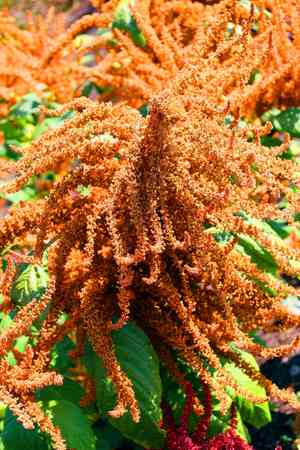
Red amaranth (*Amaranthus cruentus*) is both an ornamental plant and a valuable crop. Renowned for its striking red, feathery flower clusters, it is cultivated for its seeds and leaves. The seeds can be prepared in various ways: cooked as a grain, popped like popcorn, or ground into flour for baking and other culinary uses. The tender leaves are also edible and can be used as a spinach substitute, either raw in salads or cooked in a variety of dishes. Historical records indicate that the Aztecs were cultivating red amaranth around 6,000 years ago, highlighting its long-standing significance as a food source.
In This Article
Attributes of Red amaranth
Lifespan
Annual
Plant Type
Herb
Plant Height
30 cm to 2 m
Spread
90 cm to 1.2 m
Leaf Color
Green Purple
Flower Size
15 cm
Flower Color
Red Pink
Images of Red amaranth


Quickly Identify Red amaranth
1
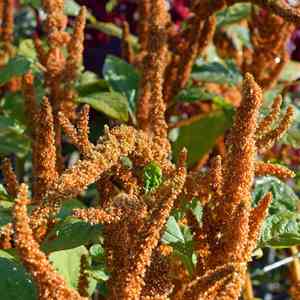
Identify Amaranthus cruentus by its tall, erect growth habit, broad leaves with a distinctive reddish tinge, and clusters of small, deep red flowers forming dense spikes.
Scientific Classification of Red amaranth
Phylum
Vascular plants
Class
Dicotyledons
Order
Pinks, cacti, and allies
Family
Amaranth
Genus
Amaranths
Species
Red amaranth
Planting and Growing of Red amaranth
Care Difficulty
Easy
Watering Schedule
Every 4 days
Sunlight Requirements
Full sun
Sunshine Duration
4-8 hours
Ideal Temperature
68-77℉
Soil Type
Potting Mix, Peat Mix
Soil pH
6.5-7.5
Fertilizer Type
Balanced
Pruning Season
Spring, Summer
Pruning Area
Branches, Leaves
Pruning Frequency
2 times a year
Repotting Season
Spring
Pot Type
Plastic, Ceramic
 How to Water Red amaranth?
When watering Amaranthus cruentus, aim for approximately 500 ml each time. Ensure that water penetrates deeply into the soil, allowing it to reach the roots effectively. The goal is to keep the soil consistently moist without becoming waterlogged.
More About Watering Techniques→
What are the symptoms of an underwatered Red amaranth?
›
What should I do if my Red amaranth is not getting enough water?
›
What are the symptoms of an overwatered Red amaranth?
›
How to save an overwatered Red amaranth?
›
 What Are the Sunlight Requirements for Red amaranth?
Half-day to full day of sunlight ensures Amaranthus cruentus blossoms fully, resulting in vibrant growth and healthy foliage.
More About Sunlight Requirements Techniques→
What is the ideal lighting condition for Amaranthus cruentus?
›
How can I ensure Amaranthus cruentus receives its ideal light conditions?
›
What benefits will Amaranthus cruentus receive under ideal lighting?
›
 What Is the Ideal Temperature Range for Red amaranth?
The ideal temperature range for cultivating Amaranthus cruentus is between 68°F and 77°F. Within this range, the plant is able to optimally perform photosynthesis and maintain its growth rate. Maintaining conditions within this temperature range promotes healthy foliage and robust seed production.
 What Soil is Best for Red amaranth?
Amaranthus cruentus thrives in soil that is rich in organic matter. Nutrient-rich soil provides the essential nutrients needed for robust growth, lush foliage, and vibrant flowers, ensuring the plant reaches its full potential. The plant requires soil with excellent drainage to avoid waterlogging, which can harm its root system. Well-draining soil prevents root rot and promotes healthy root development, crucial for the plant’s overall health. While Amaranthus cruentus needs well-draining conditions, it also thrives in soil that retains consistent moisture. Balancing these needs ensures the plant receives adequate hydration, leading to sustained growth and blooming.
More About Soil→
 How to Fertilize Red amaranth?
Amaranthus cruentus, commonly known as red amaranth, requires a balanced approach to fertilization. About 1 tablespoon of balanced 10-10-10 granular fertilizer per plant every 3 months works well. When using liquid fertilizers, dilute them to half strength to avoid over-fertilization.
More About Fertilizing Techniques→
 How to Prune Red amaranth?
Begin by identifying the healthiest stalks with the deepest colors and the few leaves showing signs of wilting. Use clean, sharp pruning shears to snip excess or unhealthy growth back to the stem base or just above a node. This encourages the plant to focus its energy on more robust, healthy growth, promoting fuller, bushier foliage. Amaranthus cruentus can be pruned to maintain a desired shape or size. To do this, identify the topmost shoots and selectively pinch them back. This not only controls the plant's height but also stimulates the growth of lateral branches, making the plant look lush and balanced. It's best to shape the plant before it starts setting seeds to encourage vegetative growth.
More About Pruning Techniques→
 How to Propagate Red amaranth plant?
1
Fill your seed tray with a well-draining potting mix. Make sure to leave about a half-inch gap from the top to prevent water overflow. Lightly tamp down the soil to create an even surface for the seeds.
2
Scatter Amaranthus cruentus seeds thinly across the surface of the soil. Cover them with a light layer of soil, no more than 1/4 inch deep, to ensure they receive sufficient light for germination.
3
After sowing, gently water the seeds using a spray bottle to moisten the soil without disturbing the seeds. Place the tray in a warm, sunny spot or under grow lights, maintaining a temperature of around 75°F for optimal germination.
 How to Repot Red amaranth plant?
1
Amaranthus cruentus shows it needs repotting when you see roots emerging from the drainage holes or the plant's growth appears stunted. Another sign is when the soil dries out rapidly after watering. These indicators suggest it's time to give your plant more space and fresh soil nutrients.
2
Select a pot that is one size larger than the current one to allow the roots to spread comfortably without overwhelming the plant. Ensure it has drainage holes to prevent waterlogging, which can lead to root rot. A well-chosen pot provides stability and room for growth, enhancing the plant's overall health.
3
Choose a well-draining soil mix enriched with organic matter to ensure Aeration and sufficient nutrient availability. An ideal mix balances moisture retention and drainage, preventing waterlogging while maintaining hydration, thus promoting vibrant growth for your Amaranthus cruentus.
Learn More About Red amaranth Diseases
Anthracnose
Bacterial Leaf Spot
Bacterial Soft Rot
Bacterial Wilt
Chemical Injury
Damping-off
Downy Mildew
Drought Stress
Fusarium Wilt
Gray Mold
Leaf Spot
Mosaic
Nutrient Deficiency
Nutrient Toxicity
Powdery Mildew
Root Rot
Root-knot Nematode
Rusts
Sooty Mold
Spider Mites
Temperature Stress
Thrips Damage
White Mold



