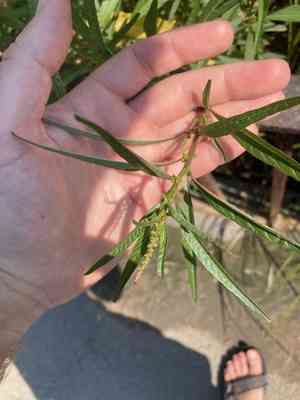
Tidalmarsh amaranth (Amaranthus cannabinus)
Also known as: Salt-marsh water hemp, Salt-marsh pigweed
*Amaranthus cannabinus*, commonly called salt marsh water hemp or salt marsh pigweed, is a herbaceous perennial native to much of the eastern United States. This plant typically reaches heights of 1 to 3 meters. It is sometimes confused with *Amaranthus australis*.
In This Article
Attributes of Tidalmarsh amaranth
Lifespan
Perennial
Plant Type
Herb
Plant Height
1 to 3 meters
Spread
Not applicable, as it is a herbaceous plant
Leaf Color
Green
Flower Size
Small, less than 1 cm
Flower Color
Yellow Green
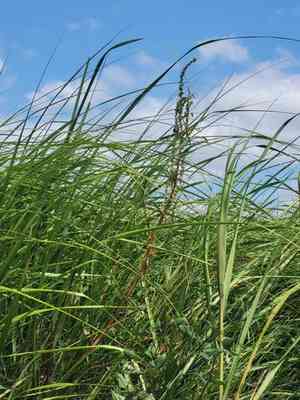
Images of Tidalmarsh amaranth
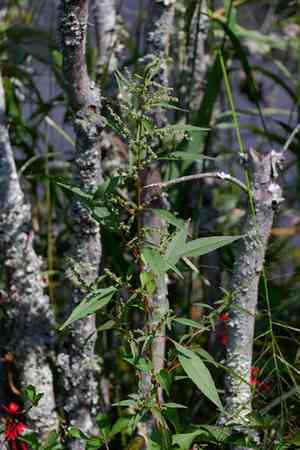
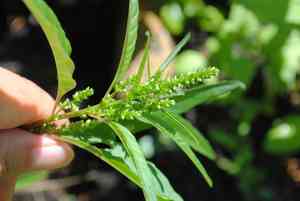
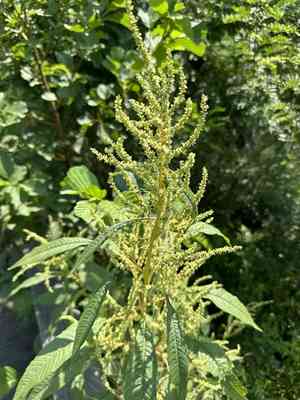
Quickly Identify Tidalmarsh amaranth
1
The plant can be identified by its tall, slender, and branching stems with narrow, elongated leaves. The flowers are small and not very conspicuous, clustered in dense spikes.
Scientific Classification of Tidalmarsh amaranth
Phylum
Vascular plants
Class
Dicotyledons
Order
Caryophyllales
Family
Amaranth
Genus
Amaranths
Species
Tidalmarsh amaranth
Planting and Growing of Tidalmarsh amaranth
Care Difficulty
Easy
Watering Schedule
Every 4 days
Sunlight Requirements
Full sun
Sunshine Duration
4-8 hours
Ideal Temperature
64-75℉
Soil Type
Potting Mix, Peat Mix
Soil pH
6.5-7.5
Fertilizer Type
Balanced
Pruning Season
Spring, Summer
Pruning Area
Branches, Leaves
Pruning Frequency
2 times a year
Repotting Season
Spring
Pot Type
Plastic, Terracotta
 How to Water Tidalmarsh amaranth?
Amaranthus cannabinus prefers consistently moist soil, so water thoroughly until the soil is soaked and excess water drains from the bottom of the pot. Adjust the amount based on humidity and temperature, ensuring the soil never completely dries out.
What are the symptoms of an underwatered Tidalmarsh amaranth?
›
What should I do if my Tidalmarsh amaranth is not getting enough water?
›
What are the symptoms of an overwatered Tidalmarsh amaranth?
›
How to save an overwatered Tidalmarsh amaranth?
›
 What Are the Sunlight Requirements for Tidalmarsh amaranth?
Amaranthus cannabinus prefers full to partial sun, ideally requiring 6-8 hours of sunlight. Adequate light enhances its photosynthesis process, encouraging healthy growth and flowering, while improving resilience against environmental stressors.
What is the optimal sunlight exposure for Amaranthus cannabinus?
›
How can I ensure optimal lighting for this plant?
›
What benefits does optimal sunlight offer this plant?
›
 What Is the Ideal Temperature Range for Tidalmarsh amaranth?
The ideal temperature range for growing Amaranthus cannabinus is between 64°F and 75°F. This range ensures optimal growth, allowing the plant to efficiently carry out photosynthesis and other metabolic processes. Maintaining this temperature helps in achieving vigorous growth and healthy foliage.
 What Soil is Best for Tidalmarsh amaranth?
Amaranthus cannabinus thrives in well-drained soil as it prevents waterlogging and root rot. This soil requirement allows the roots to access nutrients efficiently, enhancing the plant’s growth and vigor. This plant requires a nutrient-rich soil to support its rapid growth and lush foliage. The presence of essential minerals in loam soil helps in maintaining the plant’s health and ensuring its vibrant appearance. While it requires well-drained conditions, Amaranthus cannabinus also benefits from soils that can retain some moisture. Sandy loam provides the perfect balance, preventing dehydration without causing swampy conditions.
 How to Fertilize Tidalmarsh amaranth?
For Amaranthus cannabinus, use a balanced 10-10-10 liquid fertilizer at a rate of 1 tablespoon per gallon of water. This should ensure that the plant gets all the necessary nutrients without causing over-fertilization. Avoid overdosing as it can lead to salt buildup, which harms the plant.
 How to Prune Tidalmarsh amaranth?
Begin by examining your Amaranthus cannabinus to identify any dead, damaged, or crowded branches. These are your primary targets for pruning, as their removal promotes better air circulation and overall plant health. Make clean cuts at a 45-degree angle just above a leaf node or bud. This technique encourages new growth in the right direction and prevents water from accumulating on the cut surface, reducing the risk of rot. Avoid removing more than 25% of the plant at any one time. Over-pruning can stress the plant and potentially impede its growth, so it's important to prune gradually while still maintaining the desired shape.
 How to Propagate Tidalmarsh amaranth plant?
1
Select high-quality and viable seeds from a reliable source to ensure a successful germination rate. Avoid using old or damaged seeds as they may have reduced germination potential.
2
Fill seed trays with a sterile, well-draining seed-starting mix. Avoid using garden soil, as it may contain pests and diseases that could harm the seedlings.
3
Evenly distribute the Amaranthus cannabinus seeds over the surface of the seed tray. Cover them lightly with a thin layer of soil mix, ensuring they are not buried too deep.
 How to Repot Tidalmarsh amaranth plant?
1
A clear signal to repot Amaranthus cannabinus is when its roots start emerging from the drainage holes of the current pot. Additionally, if you notice the growth has slowed and the plant appears top-heavy, it indicates the roots may be too crowded. Ideally, repot during spring or autumn, as these seasons offer optimal conditions for the plant to recover and establish in its new environment.
2
When selecting a pot for Amaranthus cannabinus, ensure it's one size larger than its current home to allow room for growth. A pot with drainage holes is essential to prevent waterlogging and root rot. It's beneficial to use a clay or terracotta pot, as these materials allow for better air and moisture exchange, reducing the frequency of overwatering issues.
3
Choose a well-draining, nutrient-rich soil mix to repot Amaranthus cannabinus. This type of soil ensures that the roots do not sit in water, reducing the risk of rot while providing essential nutrients to support the plant's vigorous growth. Incorporating organic matter or compost can further enhance the soil's nutrient content, promoting better health.
Learn More About Tidalmarsh amaranth Diseases
Anthracnose
Bacterial Leaf Spot
Bacterial Soft Rot
Bacterial Wilt
Chemical Injury
Crown Gall
Cyst Nematode
Damping-off
Downy Mildew
Drought Stress
Fusarium Wilt
Gray Mold
Leaf Curl
Leaf Spot
Mosaic
Nutrient Deficiency
Nutrient Toxicity
Powdery Mildew
Root Rot
Root-knot Nematode
Rusts
Sooty Mold
Spider Mites
Temperature Stress
Thrips Damage
White Mold



