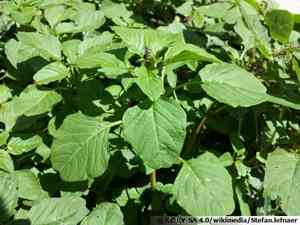
Purple amaranth (Amaranthus blitum)
Also known as: Pigweed, Wild blite, Slender amaranth
Purslane (Portulaca oleracea) is an annual plant that frequently appears as a weed. Although it is not typically farmed, many people collect its leaves and stems to consume as boiled vegetables. It is especially popular in Greek and Lebanese cuisine.
In This Article
Attributes of Purple amaranth
Lifespan
Annual
Plant Type
Herb
Plant Height
10 cm to 30 cm
Spread
30 cm to 38 cm
Leaf Color
Green
Flower Size
2.5 cm
Flower Color
Green
Images of Purple amaranth
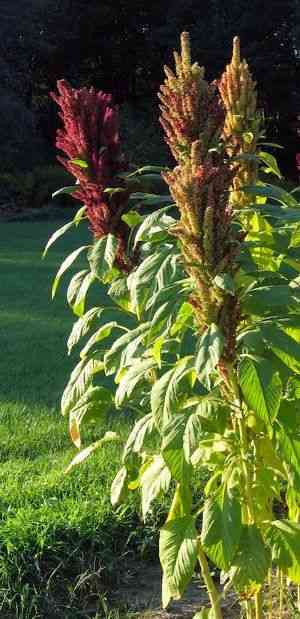
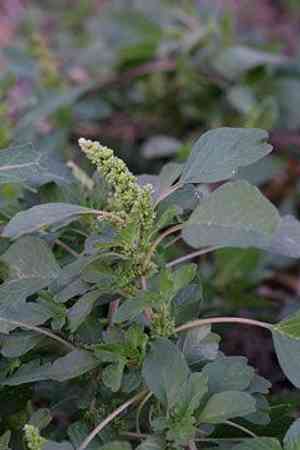

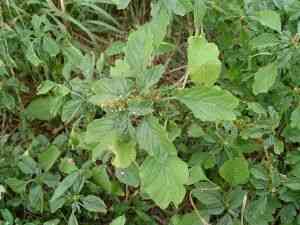
Quickly Identify Purple amaranth
1
Horizontal growth habit distinguishes purple amaranth from upright relatives.
2
Leaves with notched tips unique to purple amaranth.
3
Spirally arranged ovate leaves with reticulate veins, 2-6 inches (5-15 cm) long.
4
Green stems, slender, branching from the base to form a mat-like structure.
5
Flowers in leaf axils, small (<0.1 inches/2.5 mm), greenish without noticeable fragrance.
Scientific Classification of Purple amaranth
Phylum
Vascular plants
Class
Dicotyledons
Order
Pinks, cacti, and allies
Family
Amaranth
Genus
Amaranths
Species
Purple amaranth
Planting and Growing of Purple amaranth
Care Difficulty
Easy
Watering Schedule
Every 4 days
Sunlight Requirements
Full sun
Sunshine Duration
4-8 hours
Ideal Temperature
65-75℉
Soil Type
Potting Mix, Peat Mix
Soil pH
6.5-7.5
Fertilizer Type
Balanced
Pruning Season
Spring, Summer
Pruning Area
Branches, Leaves
Pruning Frequency
2 times a year
Repotting Season
Spring
Pot Type
Plastic, Terracotta
 How to Water Purple amaranth?
When watering Amaranthus blitum, aim to moisten the soil thoroughly so that the water penetrates deeply to the root zone. Use approximately 250 ml of water per plant each time. Ensure the top inch of the soil is kept consistently moist but not waterlogged.
What are the symptoms of an underwatered Purple amaranth?
›
What should I do if my Purple amaranth is not getting enough water?
›
What are the symptoms of an overwatered Purple amaranth?
›
How to save an overwatered Purple amaranth?
›
 What Are the Sunlight Requirements for Purple amaranth?
Amaranthus blitum ideally thrives in full sun to partial sun. This range ensures effective photosynthesis, leading to healthy and vigorous plant growth with enhanced leaf pigmentation.
What type of light is best for Amaranthus blitum?
›
What are the solutions to achieve ideal lighting?
›
What benefits does ideal lighting provide?
›
 What Is the Ideal Temperature Range for Purple amaranth?
Amaranthus blitum thrives best in a warm environment with temperatures ranging from 65°F to 75°F. This range offers optimal conditions for photosynthesis and nutrient uptake, leading to healthy growth.
 What Soil is Best for Purple amaranth?
Amaranthus blitum thrives in soil that is rich in organic matter. This nutrient richness provides ample food for the plant's rapid growth, ensuring lush foliage and vibrant colors. The presence of compost or well-rotted manure can significantly improve soil fertility, benefiting the plant immensely. Well-draining soil is key to preventing root rot in Amaranthus blitum. While it enjoys moisture, excessive water can drown the roots. Ensuring your soil allows water to percolate efficiently keeps the plant healthy and prevents fungal diseases. Amaranthus blitum requires soil that retains enough moisture to stay consistently damp but not soggy. Balanced moisture retention supports optimal nutrient uptake and healthier growth, ensuring the plant doesn’t suffer from drought stress.
 How to Fertilize Purple amaranth?
For Amaranthus blitum, using a balanced liquid fertilizer at a dilution ratio of 1:4 (fertilizer to water) is optimal. This ensures the plant receives adequate nutrients without overwhelming its root system.
 How to Prune Purple amaranth?
Begin by identifying the branches that need trimming. Look for dead or damaged branches, as well as those growing inwards toward the center of the plant or crossing each other, and prioritize these for removal. Using sharp pruning shears, make clean cuts at a 45-degree angle. This angle helps water run off the cut surface, reducing the chance of rot and disease. Ensure cuts are made just above a leaf node to encourage new growth.
 How to Propagate Purple amaranth plant?
1
Fill the seed tray with potting soil, ensuring it's well-aerated and evenly moist. Avoid overpacking the soil, which can hinder root growth.
2
Sow the Amaranthus blitum seeds evenly across the soil surface, gently pressing them into the soil. Cover lightly with additional soil if necessary.
3
Keep the soil consistently moist using a spray bottle to avoid disturbing the seeds. Ensure the seed tray is positioned in a warm, well-lit area.
 How to Repot Purple amaranth plant?
1
The ideal time to repot Amaranthus blitum is when you notice its roots are beginning to outgrow the container, circled tightly or even protruding from drainage holes. Also, if the plant appears wilting despite regular watering, or if soil condition is notably poor or compacted, it's time for a new home.
2
Select a pot that is only one size larger than the current one, which encourages root growth without overwhelming the plant. Look for pots with good drainage holes to prevent waterlogging and root rot. Material-wise, terracotta pots are excellent for maintaining soil aeration and moisture control.
3
A crucial decision, using a well-draining soil mixture rich in organic matter will ensure optimal growth. This type of soil maintains moisture without becoming waterlogged and provides ample nutrients, promoting healthy root development and vigorous plant growth.
Learn More About Purple amaranth Diseases
Anthracnose
Bacterial Leaf Spot
Bacterial Soft Rot
Bacterial Wilt
Chemical Injury
Damping-off
Downy Mildew
Drought Stress
Fusarium Wilt
Gray Mold
Leaf Spot
Mosaic
Nutrient Deficiency
Nutrient Toxicity
Powdery Mildew
Root Rot
Root-knot Nematode
Rusts
Sooty Mold
Spider Mites
Temperature Stress
Thrips Damage
White Mold



