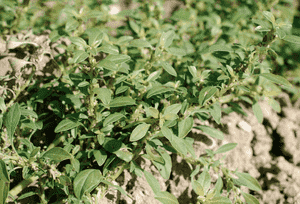
Mat amaranth (Amaranthus blitoides)
Also known as: Procumbent pigweed, Matweed, Spreading amaranth
Consuming mat amaranth (Amaranthus blitoides) grown with inorganic fertilizers can lead to several risks:
1. **Nitrate Accumulation**: Inorganic fertilizers can cause high levels of nitrates to build up in the leaves of mat amaranth, which, if consumed in large quantities, may lead to nitrate poisoning.
2. **Chemical Residues**: The use of inorganic fertilizers may leave harmful chemical residues on the plant, potentially posing health risks.
3. **Heavy Metal Contamination**: Inorganic fertilizers often contain heavy metals like cadmium and lead, which can accumulate in the plant and pose long-term health risks.
4. **Reduced Nutritional Value**: The use of inorganic fertilizers can disrupt soil nutrient balance, potentially reducing the nutritional quality of the amaranth.
In summary, while mat amaranth is edible, growing it with inorganic fertilizers can introduce nitrates and other harmful substances, posing various health risks.
Attributes of Mat amaranth
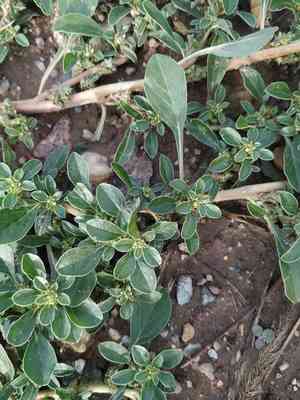
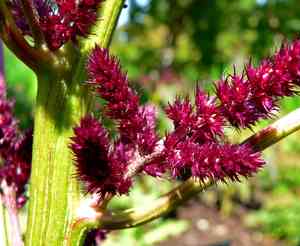
Images of Mat amaranth
Quickly Identify Mat amaranth
Scientific Classification of Mat amaranth
Planting and Growing of Mat amaranth
 How to Water Mat amaranth?
 What Are the Sunlight Requirements for Mat amaranth?
 What Is the Ideal Temperature Range for Mat amaranth?
 What Soil is Best for Mat amaranth?
 How to Fertilize Mat amaranth?
 How to Prune Mat amaranth?
 How to Propagate Mat amaranth plant?
 How to Repot Mat amaranth plant?
Toxicity
ingestion


