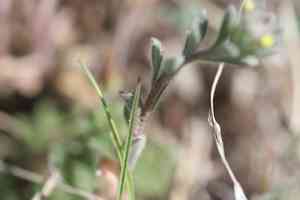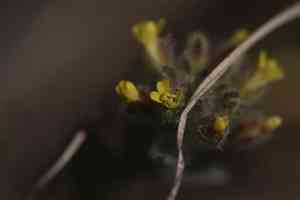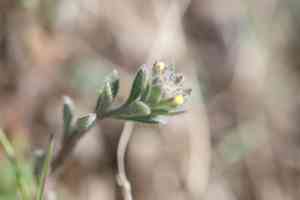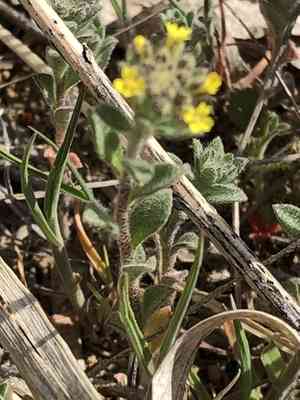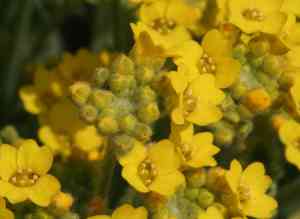
Alyssum (Alyssum)(Alyssum)

Alyssum (Alyssum) (Alyssum)

Also known as: yellow alyssum

Alyssum, widespread throughout the United States, is cherished in gardens for its low-growing, spreading nature and abundant, enduring flowers. It typically blooms from spring to fall, creating a lush, floral carpet effect. Frequently utilized in rock gardens and containers, alyssum readily reseeds, allowing it to reappear each year.

**Characteristics:**
1. **Compact and Spreading**: Grows 4-6 inches tall, making it perfect for ground cover and borders.
2. **Fragrant Clusters**: Bears small, sweet-scented flowers in clusters, commonly white, but also available in shades of pink, purple, and yellow.
3. **Extended Blooming Season**: Flowers from spring through to autumn in many regions.
4. **Resilient**: Tolerates heat and drought once established.
5. **Pollinator-Friendly**: Attracts bees, butterflies, and other beneficial insects.

**Uses:**
1. **Ground Cover**: Ideal for covering empty garden spaces.
2. **Edging Plant**: Perfect for lining pathways and garden beds.
3. **Containers and Baskets**: Suited for pots, hanging baskets, and window boxes.
4. **Companion Planting**: Useful in vegetable gardens to attract pollinators and beneficial insects.
5. **Rock Gardens**: Adds color and scent to rock garden settings.

Alyssum is favored for its versatility, ease of care, and ability to provide continuous visual appeal in a garden setting.

Attributes of Alyssum (Alyssum)

Lifespan
Annual, Perennial
Plant Height
10-30 cm
Spread
15-30 cm
Leaf Color
Green
Flower Size
1 cm
Flower Color
White, purple, pink

ForwardPlant - Identify plants with a snap

Identify and diagnose plants, get toxicity alerts, and explore safety guides for all types of fungi.

Try for Free

Images of Alyssum (Alyssum)

Alyssum (Alyssum)(Alyssum)

Quickly Identify Alyssum (Alyssum)

1
Look for small, dense clusters of tiny, cross-shaped flowers, usually in white, purple, or pink. The leaves are usually small, narrow, and slightly hairy.

Scientific Classification of Alyssum (Alyssum)

Phylum
Magnoliophyta
Class
Magnoliopsida
Order
Brassicales
Family
Brassicaceae
Genus
Lobularia

Planting and Growing of Alyssum (Alyssum)

Care Difficulty
Easy
Watering Schedule
Every 4 days
Sunlight Requirements
Full sun
Sunshine Duration
6-10 hours
Ideal Temperature
60-70℉
Soil Type
Potting Mix, Peat Mix
Soil pH
6.5-7.5
Fertilizer Type
Balanced
Pruning Season
Spring, Summer
Pruning Area
Branches, Leaves
Pruning Frequency
2 times a year
Repotting Season
Spring
Pot Type
Plastic, Ceramic

water icon How to Water Alyssum (Alyssum)?

Alyssum prefers consistent moisture but should never be waterlogged. Water until the top inch of soil is moist, around 250 milliliters per session. Be cautious not to overwater; maintain moderate dampness.
What are the symptoms of an underwatered Alyssum (Alyssum)?
What should I do if my Alyssum (Alyssum) is not getting enough water?
What are the symptoms of an overwatered Alyssum (Alyssum)?
How to save an overwatered Alyssum (Alyssum)?

sunlight icon What Are the Sunlight Requirements for Alyssum (Alyssum)?

Sunlight Requirements: Full sun, Partial sun
Duration of light: 4-6 hours daily
Alyssum prefers a light range from full sun to partial sun, benefiting significantly from a sunny environment. Adequate sunlight enhances flowering, improves leaf coloration, and promotes vigorous plant health.
Ideal Exposure
Achieving Ideal Lighting
Benefits of Ideal Lighting

temperature icon What Is the Ideal Temperature Range for Alyssum (Alyssum)?

Ideal Temperature: 60 ~ 70℉
Alyssum thrives best in a temperature range of 60°F to 70°F. Within this range, the plant can carry out photosynthesis efficiently, ensuring robust growth and vibrant blooms. Maintaining this temperature allows for optimal enzyme activity, contributing significantly to the plant's overall health.

soil icon What Soil is Best for Alyssum (Alyssum)?

Soil type: Sandy soil, Loam, Calcareous soil
Soil PH: 6.5 ~ 7.5
Alyssum thrives in well-drained soil which prevents waterlogging, protecting the roots from rot and promoting healthy growth and flowering. It prefers moderate fertility to ensure it receives enough nutrients without excessive growth, contributing to a balanced and stable structure. Slightly alkaline soils encourage optimal nutrient availability and uptake for Alyssum, enhancing its resilience and vibrant blooms.

fertilize icon How to Fertilize Alyssum (Alyssum)?

Fertilizer type: Balanced
Alyssum typically requires a balanced application of fertilizer that should be neither too heavy nor too light. For liquid fertilizers, a quarter-strength solution is ideal. For granular fertilizers, using about 10 grams per square foot is recommended. Applying the right amount ensures healthy growth and vibrant blooms.

prune icon How to Prune Alyssum (Alyssum)?

Pruning Time: Spring, Summer
Use clean, sharp garden scissors or shears for best results. Sterilize tools with alcohol before and after pruning to prevent the spread of plant diseases. Ensure blades are sharp to make clean cuts, reducing the risk of infection. Begin by removing yellowed or dead flowers and stems to stimulate reblooming. Trim the plant back by about one-third after the initial bloom flush to rejuvenate the plant for subsequent flowering. Focus on cutting above a leaf node.

propagate icon How to Propagate Alyssum (Alyssum) plant?

Propagate Time: Spring, Early spring
1
Begin by filling a seed tray with a quality potting mix. Sprinkle the Alyssum seeds on top and lightly press them into the soil. Water gently to avoid displacing the seeds, ensuring the soil remains moist during the germination period.
2
Use pruning shears to take a cutting of about 3-4 inches from a healthy Alyssum plant. Remove the lower leaves and dip the cut end into rooting hormone to promote root development. Plant the cutting in a pot with a well-draining potting mix.
3
Once seedlings are large enough to handle, they can be transplanted into individual pots. Ensure that the new containers have good drainage and continue to keep the soil moist but not overly wet.

repot icon How to Repot Alyssum (Alyssum) plant?

Repotting frequency: Every 1-2 years
1
For Alyssum, the perfect time to repot is when you notice roots emerging from the drainage holes or if the plant seems to stop growing entirely. Look for a compact root ball that's starting to outgrow its current environment. This signifies that the plant needs more space to thrive.
2
Choose a pot that's only slightly larger than the current one, ideally 1-2 inches wider in diameter. The pot should have sufficient drainage holes to keep the roots dry and airy, preventing root rot and promoting healthy plant growth.
3
Opt for a well-draining, sandy soil mix, similar to a cactus mix, which will provide the necessary porosity. This soil type ensures excess water drains quickly, preventing waterlogging and root rot, while fostering a healthy root environment.

ForwardPlant - Identify plants with a snap

Find the best spots for them to optimize their health, simply using your phone.

Try for Free