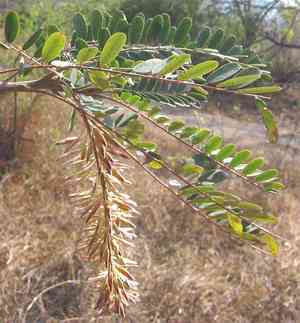
Mexican alvaradoa(Alvaradoa amorphoides)

Mexican alvaradoa (Alvaradoa amorphoides)

Also known as: None

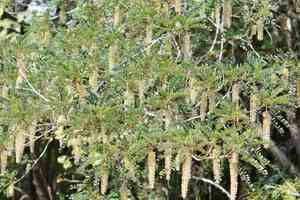
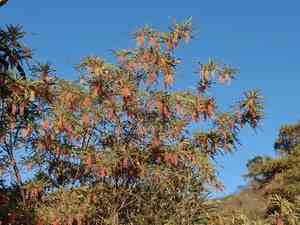
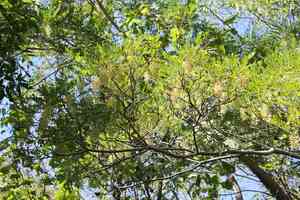
Mexican alvaradoa (Alvaradoa amorphoides) is a native species from Mexico known for its unique ornamental features, making it a charming addition to home gardens. This plant showcases intriguing tendrils of worm-like flowers, which eventually develop into striking crimson-red, spiky fruits. Each tree is unisexual, requiring both a male and a female tree to ensure successful pollination and fruit production.

The tree's aesthetic appeal and enduring ornamental value have contributed to its rising popularity among garden enthusiasts. However, its slow growth rate has led to its endangered status in certain regions, highlighting the importance of conservation efforts.

To cultivate Mexican alvaradoa at home, consider the following guidelines:
- **Climate**: Best suited for tropical or subtropical environments; avoid frost.
- **Sunlight**: Prefers full sun but tolerates partial shade.
- **Soil**: Needs well-draining, sandy, or loamy soil.
- **Watering**: Regular watering is crucial, particularly during dry spells, but ensure good drainage.
- **Space**: Allocate sufficient space for growth, as it can become a medium-sized tree.
- **Fertilization**: Apply balanced, slow-release fertilizers during the growing season.
- **Pruning**: Minimal pruning needed, mainly to remove dead or damaged parts.

Regular monitoring for pests and diseases will help maintain the tree's health and vitality.

Attributes of Mexican alvaradoa

Lifespan
Perennial
Plant Type
Tree, Shrub
Plant Height
6 m to 9 m
Spread
6-10 meters
Leaf Color
Green
Flower Size
2.5 cm
Flower Color
Yellow Green Orange

ForwardPlant - Identify plants with a snap

Identify and diagnose plants, get toxicity alerts, and explore safety guides for all types of fungi.

Try for Free

Images of Mexican alvaradoa

Mexican alvaradoa(Alvaradoa amorphoides)

Quickly Identify Mexican alvaradoa

1
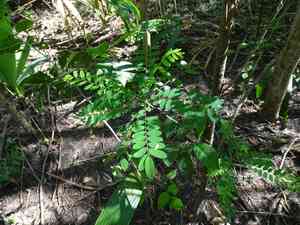
The tree is identifiable by its pinnately compound leaves with 5-11 leaflets, small white to cream-colored flowers, and distinctive winged seeds.

Scientific Classification of Mexican alvaradoa

Phylum
Vascular plants
Class
Dicotyledons
Order
Sapindales
Family
Picramnia
Genus
Alvaradoa
Species
Mexican alvaradoa

Planting and Growing of Mexican alvaradoa

Care Difficulty
Easy
Watering Schedule
Every 2 days
Sunlight Requirements
Partial sun
Sunshine Duration
6-10 hours
Ideal Temperature
68-77℉
Soil Type
Potting Mix, Peat Mix
Soil pH
6.5-7.5
Fertilizer Type
Balanced
Pruning Season
Spring, Summer
Pruning Area
Branches, Leaves
Pruning Frequency
2 times a year
Repotting Season
Spring
Pot Type
Plastic, Ceramic

water icon How to Water Mexican alvaradoa?

For Alvaradoa amorphoides, water thoroughly until water drains from the bottom of the pot. Aim for 500ml each time to ensure the soil is soaked, promoting strong roots and healthy growth while avoiding waterlogging.
What are the symptoms of an underwatered Mexican alvaradoa?
What should I do if my Mexican alvaradoa is not getting enough water?
What are the symptoms of an overwatered Mexican alvaradoa?
How to save an overwatered Mexican alvaradoa?

sunlight icon What Are the Sunlight Requirements for Mexican alvaradoa?

Sunlight Requirements: Partial sun
Duration of light: 4 to 6 hours
Partial sun to partial shade is ideal for Alvaradoa amorphoides, as it encourages robust growth, vibrant leaves, and overall plant vigor.
What is Alvaradoa amorphoides' preferred light condition?
How can you achieve ideal lighting for Alvaradoa amorphoides?
What benefits arise from providing Alvaradoa amorphoides with ideal lighting?
More About Sunlight Requirements Techniques

temperature icon What Is the Ideal Temperature Range for Mexican alvaradoa?

Ideal Temperature: 68 ~ 77℉
The ideal temperature range for growing Alvaradoa amorphoides is between 68°F and 77°F. In this temperature band, the plant can efficiently carry out photosynthesis and other metabolic processes, leading to optimal growth and development. Maintaining this range helps ensure vibrant foliage and healthy root systems.

soil icon What Soil is Best for Mexican alvaradoa?

Soil type: Loam, Sandy loam, Calcareous soil
Soil PH: 6.5 ~ 7.5
Alvaradoa amorphoides thrives in soil rich in organic matter. This enriches the plant's roots with essential nutrients, promoting healthy growth and robust foliage. Ensuring the soil is well-draining is crucial as it prevents waterlogging. This keeps the roots healthy and reduces the likelihood of root rot, contributing to the plant's overall vitality. A consistently moist environment without being waterlogged creates the perfect balance for Alvaradoa amorphoides, supporting steady growth and vibrant leaf production.

fertilize icon How to Fertilize Mexican alvaradoa?

Fertilizer type: Balanced
For Alvaradoa amorphoides, use a balanced liquid fertilizer diluted to half-strength, approximately 1/4 cup per plant, during the growing season. Adjust quantity based on plant size and growth stage to ensure adequate nutrient supply.

prune icon How to Prune Mexican alvaradoa?

Pruning Time: Spring, Summer
Start by identifying dead or diseased branches and remove them using clean, sharp pruning shears. Focus on shaping the plant by cutting back overgrown shoots to maintain its natural form. Trim at a 45-degree angle just above a leaf bud to encourage healthy new growth. More About Pruning Techniques

propagate icon How to Propagate Mexican alvaradoa plant?

Propagate Time: Spring, Early spring
1
Before sowing, it's important to clean and prepare the seeds to enhance germination rates. This involves soaking seeds in water overnight to soften the shell.
2
Prepare a rich, well-draining potting mix. Mix in some compost to provide necessary nutrients that will support initial growth phases once the seeds are sown.
3
Sow the seeds evenly on the prepared soil surface. Cover them lightly with a thin layer of soil to ensure good contact while allowing light penetration.
More About Propagating Techniques

repot icon How to Repot Mexican alvaradoa plant?

Repotting frequency: Every 2-3 years
1
Repot when Alvaradoa amorphoides shows stunted growth or when the roots become visible through the drainage holes of its current pot. A lack of growth or yellowing leaves can also indicate it's time for a repot. Spring or early summer is ideal as the plant is in its active growth phase which helps in quickly recovering from repotting stress.
2
Select a pot with drainage holes to prevent waterlogging, ideally one size larger than the current pot. Using a ceramic or clay pot can add stability. These materials are breathable, ensuring the soil dries more evenly, which minimizes the risk of root rot.
3
Opt for a well-draining, loamy soil mix which balances moisture retention with adequate aeration for roots. This kind of soil supports healthy root development and prevents water retention at the bottom, which can lead to root rot.

ForwardPlant - Identify plants with a snap

Find the best spots for them to optimize their health, simply using your phone.

Try for Free