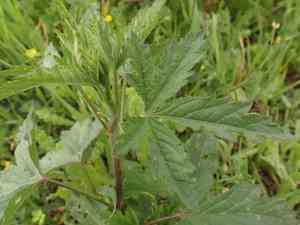
Marshmallows (Althaea) (Althaea)
Also known as: Marshmallow, Common Marshmallow
Marshmallows, belonging to the genus *Althaea*, are native to Europe and North Africa and flourish in moist habitats. The Latin name *Althaea* originates from the Greek word "altho," which translates to "to cure," highlighting the plant's traditional medicinal uses. Historically, *Althaea officinalis* was utilized for its healing properties, particularly for soothing inflammation and aiding digestion. Additionally, the roots of these plants were the original ingredient in the creation of marshmallow confections, long before modern recipes. The flowers of the *Althaea* genus are also notably attractive.
In This Article
Attributes of Marshmallows (Althaea)
Lifespan
Perennial
Plant Height
0.6 to 1.2 meters
Spread
0.5 to 0.75 meters
Leaf Color
Green
Flower Size
4 to 8 centimeters
Flower Color
White, Pink, Purple
Images of Marshmallows (Althaea)
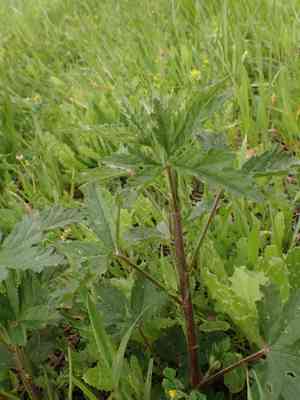
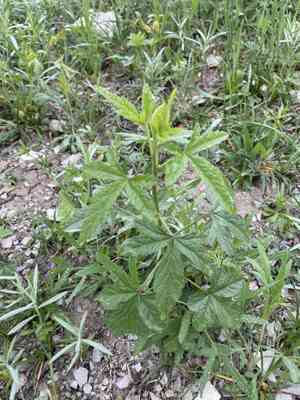
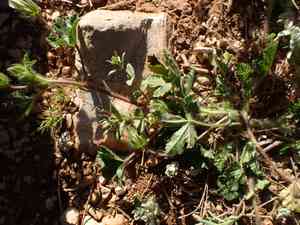
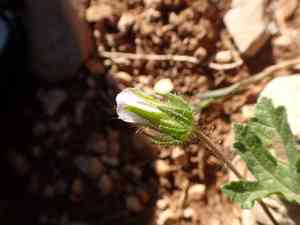
Quickly Identify Marshmallows (Althaea)
1
Identifiable by its soft, hairy leaves and showy, five-petaled flowers. Often has a bushy appearance with flowers that vary in color.
Scientific Classification of Marshmallows (Althaea)
Phylum
Magnoliophyta
Class
Magnoliopsida
Order
Malvales
Family
Malvaceae
Genus
Althaea
Planting and Growing of Marshmallows (Althaea)
Care Difficulty
Easy
Watering Schedule
Every 4 days
Sunlight Requirements
Full sun
Sunshine Duration
4-6 hours
Ideal Temperature
60-70℉
Soil Type
Potting Mix, Peat Mix
Soil pH
6.5-7.5
Fertilizer Type
Balanced
Pruning Season
Spring, Summer
Pruning Area
Branches, Leaves
Pruning Frequency
2 times a year
Repotting Season
Spring
Pot Type
Plastic, Ceramic
 How to Water Marshmallows (Althaea)?
Althaea requires a thorough watering approach, ensuring the soil is consistently moist but never waterlogged. Use around 500ml of water each time. It's crucial to allow the top inch of soil to dry out between waterings to prevent root rot while ensuring moisture reaches deeper roots.
What are the symptoms of an underwatered Marshmallows (Althaea)?
›
What should I do if my Marshmallows (Althaea) is not getting enough water?
›
What are the symptoms of an overwatered Marshmallows (Althaea)?
›
How to save an overwatered Marshmallows (Althaea)?
›
 What Are the Sunlight Requirements for Marshmallows (Althaea)?
Althaea ideally thrives in full to partial sun, benefiting from at least 6 hours of direct sunlight. This exposure ensures it has sufficient energy for vibrant blooming and robust growth, leveraging early morning and partly shaded afternoon conditions for balance.
How much light does Althaea need?
›
What are the best ways to ensure Althaea gets ideal light?
›
What benefits does ideal lighting offer Althaea?
›
 What Is the Ideal Temperature Range for Marshmallows (Althaea)?
Althaea thrives best in temperatures ranging from 60°F to 70°F. This range provides an optimal balance for photosynthesis while minimizing stress on the plant. At these temperatures, the enzymes that facilitate growth functions operate most efficiently. Keeping Althaea within this range ensures robust growth and flowering.
 What Soil is Best for Marshmallows (Althaea)?
Althaea requires soil that retains moisture well but also drains excess water efficiently. Such conditions help prevent root rot while maintaining the hydration the plant needs to flourish. The soil should be rich in organic matter, offering ample nutrients for Althaea's growth. A nutrient-dense environment enhances photosynthesis and overall health. Properly aerated soil allows the roots to access essential gases, promoting healthy growth. Aeration prevents compacted roots that can lead to stunted growth.
 How to Fertilize Marshmallows (Althaea)?
For Althaea, the amount of fertilizer used should be moderate. Typically, a balanced liquid fertilizer with a ratio of 10-10-10, applied at half the recommended dose for houseplants, suffices during the growing season. Over-fertilizing can lead to lush foliage but fewer flowers, so it’s important to find a balance.
 How to Prune Marshmallows (Althaea)?
Begin by inspecting the plant for any dead, diseased, or broken stems, which should be removed first. This encourages healthy growth overall. Next, focus on shaping the plant by removing any crossing branches that could cause future damage. Aim to open up the center of the plant slightly, allowing sunlight and air to penetrate, which reduces the risk of disease. Using sharp, clean shears, make cuts at a 45-degree angle about 1/4 inch above a leaf node or bud to promote new growth.
 How to Propagate Marshmallows (Althaea) plant?
1
Collect seeds from mature Althaea plants after flowering. Dry the seeds in a cool, dark place before planting. Proper seed preparation enhances germination rates significantly.
2
Select healthy shoots roughly 10-15 cm in length. Cut with sterilized shears and strip lower leaves. Dipping cut end in rooting hormone can boost root development during propagation.
3
For division, lift a mature Althaea plant from the soil. Carefully separate clumps by hand, ensuring each section has roots attached. Replant immediately in prepared soil to minimize transplant shock.
 How to Repot Marshmallows (Althaea) plant?
1
It's time to repot Althaea when you notice roots crowding the drainage holes, or the plant appears stunted despite adequate care. Early spring or early autumn provides the ideal weather to reduce transplant shock.
2
Select a pot that is 1-2 inches larger in diameter than the current one. Ensure it has good drainage holes to prevent waterlogging. The correct pot size facilitates root growth, ensuring the plant remains healthy.
3
Opt for a well-draining loamy soil mixed with organic matter. This soil structure prevents root rot by allowing excess water to escape easily while retaining enough moisture for the roots.
Learn More About Marshmallows (Althaea) Diseases
Anthracnose
Bacterial Leaf Spot
Bacterial Soft Rot
Crown Gall
Damping-off
Downy Mildew
Drought Stress
Fusarium Wilt
Gray Mold
Leaf Curl
Leaf Spot
Mosaic
Nutrient Deficiency
Nutrient Toxicity
Powdery Mildew
Root Rot
Root-knot Nematode
Rusts
Sooty Mold
Spider Mites
Temperature Stress
Thrips Damage
White Mold

