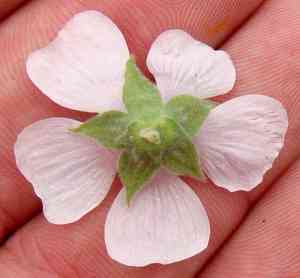
Marsh-mallow(Althaea officinalis)

Marsh-mallow (Althaea officinalis)

Also known as: White mallow

The marsh mallow (Althaea officinalis) is a perennial plant that flourishes in wet environments where many other plants might struggle. It's often used for shoreline erosion control due to its ability to thrive in boggy conditions and reseed itself readily. Historically, the roots of the marsh mallow plant were used to create the original marshmallow confections, although today's versions are typically made differently.

Attributes of Marsh-mallow

Lifespan
Perennial
Plant Type
Herb
Plant Height
2.5 m
Spread
50 cm
Leaf Color
Green Gray
Flower Size
5 cm to 8 cm
Flower Color
White Pink

ForwardPlant - Identify plants with a snap

Identify and diagnose plants, get toxicity alerts, and explore safety guides for all types of fungi.

Try for Free

Images of Marsh-mallow

Marsh-mallow(Althaea officinalis)

Quickly Identify Marsh-mallow

1
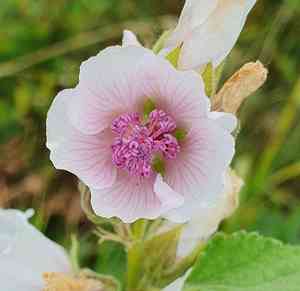
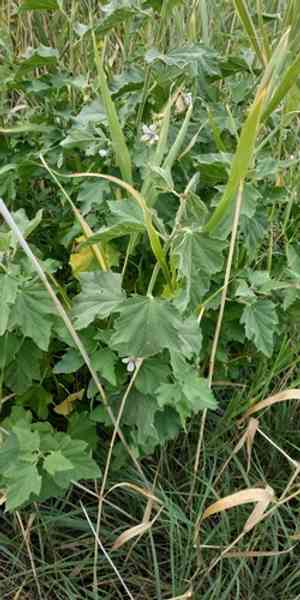
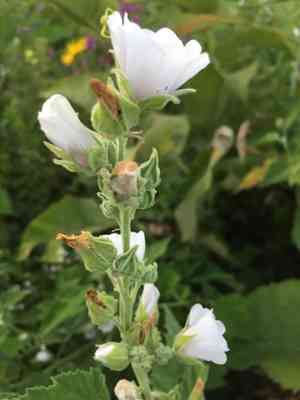
Recognizable by its soft, velvety leaves, pinkish-white flowers, and mucilaginous properties. The plant often grows in marshy areas and can reach up to 1.5 meters in height.

Scientific Classification of Marsh-mallow

Phylum
Vascular plants
Class
Dicotyledons
Order
Malvales
Family
Mallow
Genus
Marshmallows
Species
Marsh-mallow

Planting and Growing of Marsh-mallow

Care Difficulty
Easy
Watering Schedule
Every 4 days
Sunlight Requirements
Full sun
Sunshine Duration
6-10 hours
Ideal Temperature
60-75℉
Soil Type
Potting Mix, Peat Mix
Soil pH
6.5-7.5
Fertilizer Type
Balanced
Pruning Season
Spring, Summer
Pruning Area
Branches, Leaves
Pruning Frequency
2 times a year
Repotting Season
Spring
Pot Type
Plastic, Ceramic

water icon How to Water Marsh-mallow?

Althaea officinalis, commonly known as marshmallow plant, requires a moderate watering approach. Watering should ensure that the soil becomes evenly moist down to a depth of about 15 cm. Be cautious not to flood the soil; it should feel like a damp sponge - moist but not waterlogged.
What are the symptoms of an underwatered Marsh-mallow?
What should I do if my Marsh-mallow is not getting enough water?
What are the symptoms of an overwatered Marsh-mallow?
How to save an overwatered Marsh-mallow?

sunlight icon What Are the Sunlight Requirements for Marsh-mallow?

Sunlight Requirements: Full sun, Partial sun
Duration of light: 6 to 8 hours
Partial to full sun exposure is ideal for Althaea officinalis. This range ensures robust photosynthesis, fostering lush foliage and prolific flowering, key for healthy plant development.
What is the best time for sunlight?
How can I ensure it receives adequate sunlight?
What benefits does ideal light offer?
More About Sunlight Requirements Techniques

temperature icon What Is the Ideal Temperature Range for Marsh-mallow?

Ideal Temperature: 60 ~ 75℉
Althaea officinalis thrives best within a specific temperature range of 60°F to 75°F. This range ensures optimal growth and flowering, providing a balance where the plant can process nutrients efficiently and maintain healthy physiological functions. Temperature conditions within this range help prevent stress that may hinder growth, thus contributing to a robust and flourishing plant.

soil icon What Soil is Best for Marsh-mallow?

Soil type: Sandy soil, Loam
Soil PH: 6.5 ~ 7.5
Althaea officinalis thrives in well-drained soil, which prevents waterlogging that can lead to root rot. This is beneficial as it ensures healthy root growth and optimal nutrient uptake. The plant prefers moderately fertile soils which provide essential nutrients without excessive richness that could impair growth. This ensures a balanced growth environment with adequate nutrient availability. Althaea officinalis benefits from soil that can retain adequate moisture while draining excess. This balance helps maintain hydration during dry spells, promoting lush foliage and healthy blooms.

fertilize icon How to Fertilize Marsh-mallow?

Fertilizer type: Balanced
For Althaea officinalis, it's crucial to provide a balanced amount of nutrients. Liquid fertilizers should be applied at a half-strength concentration to avoid overwhelming the plant's delicate root system. Use approximately 1 teaspoon of liquid fertilizer per gallon of water.

prune icon How to Prune Marsh-mallow?

Pruning Time: Spring, Summer
While pruning, be gentle to avoid unnecessary stress on the plant. Avoid cutting too close to the main stem, as this can injure the plant. Rather, leave a small stub adjacent to the main growth to facilitate faster recovery. Timing is key; avoid pruning in late autumn or winter which might expose the plant to harsh weather conditions. Instead, align pruning sessions at the beginning of the growing season to maximize the plant's chance for recovery and flourishing growth. More About Pruning Techniques

propagate icon How to Propagate Marsh-mallow plant?

Propagate Time: Spring,Early spring
1
Start by preparing a nutrient-rich, well-draining potting mix. Amend with a bit of sand or perlite to improve drainage if necessary.
2
Sow seeds on the surface of the prepared soil and lightly cover them with a thin layer of soil. Keep the soil moist until germination.
3
Select healthy stems from the parent plant and cut them just below a node. Remove lower leaves to reduce water loss.
More About Propagating Techniques

repot icon How to Repot Marsh-mallow plant?

Repotting frequency: Every 1-2 years
1
This plant should be repotted when growth visibly slows and roots start encircling the pot. Spring is ideal, as it aligns with the active growing season. A good indication for repotting is when the plant seems root-bound, or if water drains too quickly, not reaching the roots efficiently.
2
Select a pot that is one size larger than the current one. Ensure it has proper drainage holes to prevent waterlogging. Using a slightly larger pot provides space for growth, helping the plant establish a stronger root system, leading to healthier and more vigorous growth.
3
Opt for a rich, well-draining loam with organic matter. This type of soil allows moisture retention without causing waterlogging, promoting a balance of hydration and aeration. It ensures the roots have access to nutrients and air, which is crucial for robust growth.

ForwardPlant - Identify plants with a snap

Find the best spots for them to optimize their health, simply using your phone.

Try for Free

Toxicity of Marsh-mallow

Is Marsh-mallow toxic to humans?

Marsh-mallow exhibits a low level of toxicity to humans, and all parts of the plant can lead to negative effects when ingested. Consumption may result in various symptoms that signify mild poisoning, which can include gastrointestinal issues like nausea and vomiting, along with possible diarrhea. It is crucial for individuals to understand the potential hazards linked to the ingestion of any portion of marsh-mallow, given its medicinal use, to prevent unintentional poisoning. Caution should be exercised to refrain from consuming parts of marsh-mallow that have not been adequately prepared or are taken in excessive amounts.

Identify toxic plants for your safety

Learn which plants are harmful to you and your pets, and make informed choices for a safer home!

Try for Free
WARNING
The judgment on toxicity and danger is for reference only. We DO NOT GUARANTEE any accuracy of such judgment. Therefore, you SHALL NOT rely on such judgment. It is IMPORTANT TO SEEK PROFESSIONAL ADVICE in advance when necessary.
More About Toxic Techniques