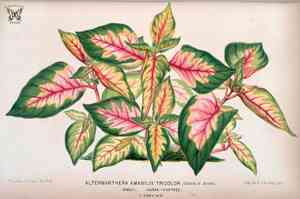
Alternanthera bettzickiana (Alternanthera bettzickiana)
Also known as: Joseph's Coat, Calico Plant, Joyweed
The Alternanthera bettzickiana, also widely recognized as the calico-plant, belongs to the Amaranthaceae family and is a flowering species. Typically utilized for ornamental edging purposes, this botanical species originates from South America. Its variety 'Red' bears close resemblance to certain varieties of Alternanthera dentata and Alternanthera brasiliana.
In This Article
Attributes of Alternanthera bettzickiana
Lifespan
Perennial
Plant Height
15-35 cm
Spread
10-30 cm
Leaf Color
Green, Red
Flower Size
Less than 1 cm
Flower Color
White
Images of Alternanthera bettzickiana
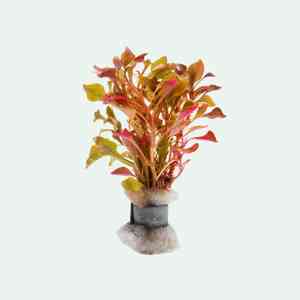
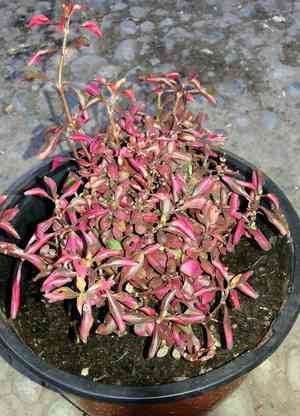
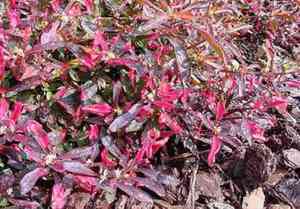
Quickly Identify Alternanthera bettzickiana
1
It is commonly identified by its small, bright coloured leaves that vary from green, red, and or a mixture of both colors. The leaves are generally spatula-shaped and are arranged oppositely along the stem.
Scientific Classification of Alternanthera bettzickiana
Phylum
Tracheophyta
Class
Magnoliopsida
Order
Caryophyllales
Family
Amaranthaceae
Genus
Alternanthera
Species
A. bettzickiana
Planting and Growing of Alternanthera bettzickiana
Care Difficulty
Easy
Watering Schedule
Every 8 days
Sunlight Requirements
Partial sun
Sunshine Duration
4-8 hours
Ideal Temperature
65-77℉
Soil Type
Potting Mix, Peat Mix
Soil pH
6.5-7.5
Fertilizer Type
Balanced
Pruning Season
Spring, Summer
Pruning Area
Branches, Leaves
Pruning Frequency
Once a year
Repotting Season
Spring
Pot Type
Plastic, Ceramic
 How to Water Alternanthera bettzickiana?
Alternanthera bettzickiana thrives in consistently moist soil, but not waterlogged. It's essential that when watering, the soil feels damp to the touch approximately 5-10 cm deep. This typically means around 250 ml per session, adjusted according to the plant's environment like humidity levels and pot size.
What are the symptoms of an underwatered Alternanthera bettzickiana?
›
What should I do if my Alternanthera bettzickiana is not getting enough water?
›
What are the symptoms of an overwatered Alternanthera bettzickiana?
›
How to save an overwatered Alternanthera bettzickiana?
›
 What Are the Sunlight Requirements for Alternanthera bettzickiana?
Partial sun is the ideal light condition for Alternanthera bettzickiana, offering health benefits such as vibrant foliage and steady growth, resulting from an appropriate balance of photosynthetic activity and reduced stress.
How much sunlight does Alternanthera bettzickiana need?
›
Why is partial sun better for Alternanthera bettzickiana?
›
What solutions help Achieve ideal lighting for Alternanthera bettzickiana?
›
 What Is the Ideal Temperature Range for Alternanthera bettzickiana?
Alternanthera bettzickiana thrives best in a warm and humid environment. The ideal temperature range for its growth is between 65°F and 77°F. This range ensures that the plant has the energy and metabolic conditions to perform photosynthesis efficiently and maintain healthy growth.
 What Soil is Best for Alternanthera bettzickiana?
Alternanthera bettzickiana thrives best in soil that drains well. This prevents root rot and ensures the plant gets the oxygen it needs for optimal growth. A nutrient-rich soil provides the necessary elements for robust growth and vibrant foliage, making it an ideal choice for maximizing the plant's aesthetic appeal. The soil should retain enough moisture without becoming waterlogged, allowing Alternanthera bettzickiana to stay hydrated while minimizing the risk of diseases like fungal infections.
 How to Fertilize Alternanthera bettzickiana?
Alternanthera bettzickiana thrives well with a balanced approach to fertilization. For liquid fertilizers, using a diluted solution in the ratio of 20-20-20 NPK at half the recommended strength works effectively. Each application should involve about 100ml per plant, ensuring you cover the root area well without soaking. Solid fertilizers should be equally cautious. A handful of slow-release granules scattered sparsely around the base, approximately 10 grams, is usually sufficient. Avoid fertilizing when soil is dry to prevent potential root burn.
 How to Prune Alternanthera bettzickiana?
Begin by identifying any dead or damaged leaves and stems, and remove them to encourage healthy growth. Use sharp, clean scissors to trim the stems back to a leaf node, which is where the leaves meet the stem. Aim to remove about one-third of the plant's height to promote bushiness. By cutting just above a node, you encourage the plant to branch out from that point, leading to fuller foliage. Ensure your cuts are clean to avoid damaging the plant.
 How to Propagate Alternanthera bettzickiana plant?
1
Choose a vigorous and healthy parent plant with no signs of disease or pest infestation. Taking cuttings from healthy plants increases the likelihood of successful propagation.
2
Cut 4-6 inch sections from the parent plant just below a node, using a sharp, sterilized knife or scissors. Make sure each cutting has at least two leaf nodes, which will help with root formation.
3
Dip the cut end of each cutting into rooting hormone, then plant it in a container filled with moist potting mix or a suitable propagation medium. Ensure that at least one node is buried to encourage rooting.
 How to Repot Alternanthera bettzickiana plant?
1
Repot Alternanthera bettzickiana when you see roots growing out of drainage holes or the plant looks stunted. These are clear signals that it has outgrown its current home. Spring or summer is ideal as the plant is actively growing, making it easier for it to adjust to a new pot.
2
Select a pot that is about 2 inches larger in diameter than the current one. This gives the roots more room to spread and prevents waterlogging, helping to maintain optimal moisture levels. Ensure the pot has drainage holes to keep the roots dry and healthy.
3
Use a well-draining potting mix rich in organic matter. Such soil is aerated and prevents root rot by allowing excess water to escape, providing the roots with the necessary oxygen for healthy growth.

