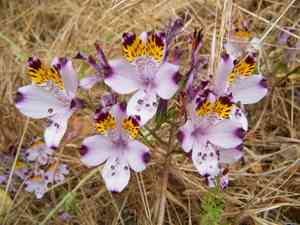
Lily of the incas (Alstroemeria) (Alstroemeria)
Also known as: parrot lily
Alstroemeria, commonly known as the "Lily of the Incas," encompasses a diverse group of flowering plants native to the high regions of the South American Andes, where the ancient Inca civilization once thrived. Renowned for their striking and vibrant blooms, many of these species are cultivated for ornamental purposes. However, some, such as the Peruvian Lily (Alstroemeria pelegrina), have become invasive in regions like Australia, causing ecological concerns.
In This Article
Attributes of Lily of the incas (Alstroemeria)
Lifespan
Perennial
Plant Height
30 cm to 1.2 m
Spread
30 cm to 60 cm
Leaf Color
Green
Flower Size
2.5 cm to 8 cm
Flower Color
Various, including white, yellow, orange, pink, red, purple
Images of Lily of the incas (Alstroemeria)

Quickly Identify Lily of the incas (Alstroemeria)
1
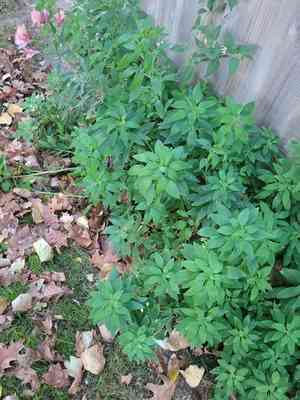
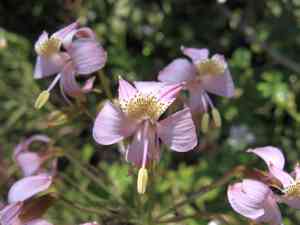
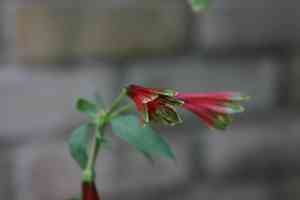
Alstroemeria can be identified by its unique flower shape which typically has six petals, often with streaks or spots. The foliage is also distinctive, with leaves that appear upside-down due to a twist in the petiole.
Scientific Classification of Lily of the incas (Alstroemeria)
Phylum
Magnoliophyta
Class
Liliopsida
Order
Liliales
Family
Alstroemeriaceae
Genus
Alstroemeria
Planting and Growing of Lily of the incas (Alstroemeria)
Care Difficulty
Easy
Watering Schedule
Every 8 days
Sunlight Requirements
Partial sun
Sunshine Duration
4-6 hours
Ideal Temperature
60-75℉
Soil Type
Potting Mix, Peat Mix
Soil pH
6.5-7.5
Fertilizer Type
Balanced
Pruning Season
Spring, Summer
Pruning Area
Branches, Leaves
Pruning Frequency
2 times a year
Repotting Season
Spring
Pot Type
Plastic, Terracotta
 How to Water Lily of the incas (Alstroemeria)?
Alstroemeria prefers its soil to be moist but not waterlogged. Aim for around 250 milliliters of water per irrigation session. Water thoroughly until you see a bit of water drain from the bottom of the pot. This ensures that the roots receive adequate moisture without sitting in excess water.
What are the symptoms of an underwatered Lily of the incas (Alstroemeria)?
›
What should I do if my Lily of the incas (Alstroemeria) is not getting enough water?
›
What are the symptoms of an overwatered Lily of the incas (Alstroemeria)?
›
How to save an overwatered Lily of the incas (Alstroemeria)?
›
 What Are the Sunlight Requirements for Lily of the incas (Alstroemeria)?
Partial sun is ideal for Alstroemeria, providing a balance of light that fosters flowering without causing thermal stress. In these conditions, the plant flourishes with bright, abundant blooms.
What is the best lighting condition for Alstroemeria?
›
How can you achieve the ideal lighting conditions for Alstroemeria?
›
What benefits for Alstroemeria when it receives ideal lighting?
›
 What Is the Ideal Temperature Range for Lily of the incas (Alstroemeria)?
Alstroemeria thrives best in moderate temperatures ranging from 60°F to 75°F. This range allows optimal metabolic processes, ensuring healthy growth and vibrant blooms. When temperatures are stable and moderate, these plants exhibit the highest rate of photosynthesis and nutrient uptake, leading to their most robust form.
 What Soil is Best for Lily of the incas (Alstroemeria)?
Alstroemeria requires well-drained soil to thrive. This prevents root rot and ensures that the plant receives the right amount of moisture. Proper drainage improves oxygen flow to the roots, promoting healthy and vigorous growth. These plants benefit from nutrient-rich soils that can sustain their growth. Adding organic matter like compost can enhance soil fertility and structure, providing nutrients for stronger plants with lush, vibrant blooms. Though well-drained, the soil should retain enough moisture to support the plant's needs. This balance helps prevent stress on Alstroemeria, ensuring continuous flowering and maintaining its vibrant appearance.
 How to Fertilize Lily of the incas (Alstroemeria)?
Alstroemeria plants thrive with moderate amounts of fertilizer. During the growing season, use a balanced fertilizer mix in a ratio of 10-10-10. Apply about 1 tablespoon per plant, ensuring it's well diluted with water for even distribution.
 How to Prune Lily of the incas (Alstroemeria)?
Alstroemeria benefits from regular pruning, helping to maintain its appearance and promote a longer flowering season. Begin by inspecting the plant for any dead or damaged leaves and stems, and carefully remove these to prevent diseases and pests. To prune, use sharp, clean garden scissors or pruning shears, cutting away with precision to encourage healthier new growth. Also, consider removing older flowering stems to divert the plant's energy into new buds and blossoms, thereby ensuring a lush and vibrant display. As the flowering season concludes, generally in late summer or early autumn, it’s beneficial to cut back the plant to about half its height. This action helps the plant to conserve energy for the winter months and prepares it for a robust growth spurt in the following spring. Be sure to collect and discard any fallen leaves or debris around the plant base to reduce the risk of fungal diseases.
 How to Propagate Lily of the incas (Alstroemeria) plant?
1
Begin by collecting seeds from mature flowers or taking stem cuttings from healthy plants. Make sure seeds are fully matured, and choose cuttings with at least three nodes for successful rooting.
2
Use well-draining, sterile potting mix for both seeds and cuttings. Sterilized soil prevents fungal infections and provides a nutrient-rich medium ideal for young plant development.
3
For seeds, plant them about 1 cm deep in the soil. For cuttings, insert them into the soil so at least one node is covered. Water lightly, ensuring the soil remains moist but not overly saturated.
 How to Repot Lily of the incas (Alstroemeria) plant?
1
Alstroemeria should be repotted when you notice it becoming root-bound, visible roots outgrowing the pot, or when the soil appears exhausted and compacted. These signals indicate that it's time to give your plant more room to grow and thrive.
2
Select a pot that is only slightly larger than the current one, with good drainage holes. The size increase prevents waterlogging and promotes healthy root growth, allowing Alstroemeria to expand comfortably without becoming overly wet.
3
Opt for a well-draining potting mix, ideally one that includes perlite or sand. This mix prevents water stagnation and improves aeration, crucial for preventing root rot and encouraging vigorous growth.
Toxicity
Ingestion, Contact
WARNING
The judgment on toxicity and danger is for reference only. We DO NOT GUARANTEE any accuracy of such judgment. Therefore, you SHALL NOT rely on such judgment. It is IMPORTANT TO SEEK PROFESSIONAL ADVICE in advance when necessary.
Learn More About Lily of the incas (Alstroemeria) Diseases
Anthracnose
Bacterial Leaf Spot
Bacterial Soft Rot
Bacterial Wilt
Crown Gall
Cyst Nematode
Damping-off
Downy Mildew
Fusarium Wilt
Gray Mold
Leaf Spot
Mosaic
Powdery Mildew
Root Rot
Root-knot Nematode
Rusts
Sooty Mold
White Mold
Chemical Injury
Drought Stress
Nutrient Deficiency
Nutrient Toxicity
Temperature Stress
Spider Mites
Thrips Damage

