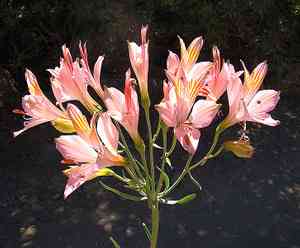
Saint Martin's lily (Alstroemeria ligtu)
Also known as: Alstroemeria ligtu hybrids
Alstroemeria ligtu is a flowering plant species in the Alstroemeriaceae family, native to central Chile, northwest Argentina, and Peru.
In This Article
Attributes of Saint Martin's lily
Lifespan
Perennial
Plant Type
Herb
Plant Height
50 cm
Spread
75 cm
Leaf Color
Green
Flower Size
2-3 inches (5-8 cm)
Flower Color
White Yellow Pink Purple Red Lavender Orange Mauve
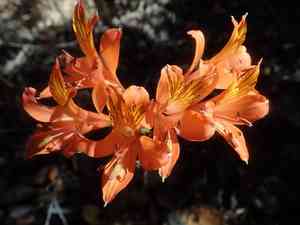
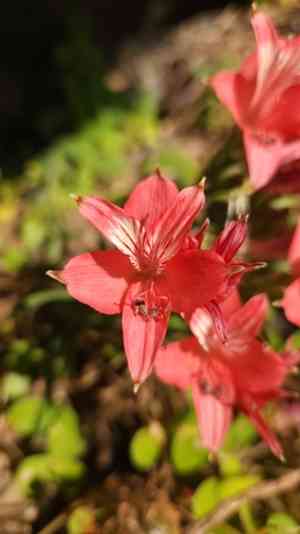
Images of Saint Martin's lily

Quickly Identify Saint Martin's lily
1
You can identify Alstroemeria ligtu by its lance-shaped leaves and clusters of six-petaled, trumpet-shaped flowers in various shades including pink, orange, red, purple, and white. The flowers often have streaks or spots, adding to their ornamental appeal.
Scientific Classification of Saint Martin's lily
Phylum
Vascular plants
Class
Monocotyledons
Order
Lilies, supplejacks and allies
Family
Peruvian lily
Genus
Lily of the incas
Species
Saint Martin's lily
Planting and Growing of Saint Martin's lily
Care Difficulty
Easy
Watering Schedule
Every 4 days
Sunlight Requirements
Partial sun
Sunshine Duration
6-10 hours
Ideal Temperature
60-75℉
Soil Type
Potting Mix, Peat Mix
Soil pH
6.5-7.5
Fertilizer Type
Balanced
Pruning Season
Spring, Summer
Pruning Area
Branches, Leaves
Pruning Frequency
2 times a year
Repotting Season
Spring
Pot Type
Plastic, Ceramic
 How to Water Saint Martin's lily?
When watering Alstroemeria ligtu, aim to provide around 250 ml of water each time. This amount ensures the moisture penetrates deeply into the soil, reaching the root zone without leaving the soil waterlogged. It's important to allow the top inch of soil to dry out between waterings to maintain optimal soil moisture levels.
What are the symptoms of an underwatered Saint Martin's lily?
›
What should I do if my Saint Martin's lily is not getting enough water?
›
What are the symptoms of an overwatered Saint Martin's lily?
›
How to save an overwatered Saint Martin's lily?
›
 What Are the Sunlight Requirements for Saint Martin's lily?
Partial sun to dappled light is ideal, as it offers Alstroemeria ligtu the balance of warmth and protection necessary for lush growth and full blossoming.
More About Sunlight Requirements Techniques→
What is the preferred lighting condition?
›
How can one achieve the ideal lighting?
›
What are the benefits of ideal lighting for the plant?
›
 What Is the Ideal Temperature Range for Saint Martin's lily?
Alstroemeria ligtu thrives best in a temperature range of 60°F to 75°F. This range supports optimal growth by allowing the plant to perform essential physiological processes such as photosynthesis and nutrient absorption efficiently. Maintaining this controlled environment can prevent temperature-related stress and promote healthy development. Consistent temperatures in this range contribute to vibrant blooms and robust foliage.
 What Soil is Best for Saint Martin's lily?
Alstroemeria ligtu thrives in soil that offers excellent drainage. This prevents root rot and other moisture-related issues by ensuring that water doesn't accumulate around the roots. Well-draining soil allows the roots to access vital oxygen, promoting robust growth and a healthy bloom cycle. This plant flourishes in soil enriched with organic matter such as compost or well-rotted manure. The nutrients help in vigorous plant growth and vibrant flower production, ensuring that the plant gets all the micro and macronutrients it needs throughout the growing season. Alstroemeria ligtu prefers soils with a pH range from 6.5 to 7.5. This optimal pH range facilitates the availability of essential nutrients, helping the plant maintain its health and enhancing its flowering potential.
 How to Fertilize Saint Martin's lily?
The amount of fertilizer for Alstroemeria ligtu should be carefully measured to avoid over or under-fertilizing. Typically, a balanced liquid fertilizer diluted to half strength is recommended for liquid applications, about 10-20 ml per plant, while 20-30 grams per plant of a slow-release granular fertilizer can be applied annually.
 How to Prune Saint Martin's lily?
Begin by cutting away any dead or dying stems at their base. This encourages healthier growth and allows the plant to direct its energy toward thriving stems. Trim flowering stems down to the ground after they have spent their blooms. This stops energy wastage on seed production and pushes the plant to generate new, vigorous shoots. Trim back some foliage if it becomes overcrowded to improve air circulation through the plant, which helps reduce the risk of disease.
More About Pruning Techniques→
 How to Propagate Saint Martin's lily plant?
1
Sow Alstroemeria ligtu seeds in seed trays filled with a seed-starting mix. Cover lightly with soil and mist to maintain moisture. Keep the trays in a warm environment around 18-21°C (64-70°F). Germination typically takes 2-3 weeks.
2
Carefully dig up the plant and gently separate the rhizomes. Ensure each division has a healthy shoot and root system. Replant the divisions at the same depth they were growing before, water well, and maintain adequate light.
3
Once the seedlings or divisions have established roots, they should be transplanted to larger pots or directly into the garden. Ensure they are planted in well-drained soil, in an area that receives partial to full sunlight for optimal growth.
 How to Repot Saint Martin's lily plant?
1
Look for signs like roots growing out of drainage holes, soil drying too fast, or general stunted growth. These indicate it's time for a new pot to offer fresh nutrients and space.
2
Select a pot that's one size larger, with good drainage holes. This prevents waterlogging, essential for maintaining healthy root systems while providing extra space for growth.
3
Opt for a well-draining, nutrient-rich potting mix. This ensures your plant will have the resources it needs to thrive, helping to avoid root rot and other common soil-related issues.
Learn More About Saint Martin's lily Diseases
Anthracnose
Bacterial Leaf Spot
Bacterial Soft Rot
Bacterial Wilt
Chemical Injury
Crown Gall
Cyst Nematode
Damping-off
Downy Mildew
Drought Stress
Fusarium Wilt
Gray Mold
Leaf Spot
Mosaic
Nutrient Deficiency
Nutrient Toxicity
Powdery Mildew
Root Rot
Root-knot Nematode
Rusts
Sooty Mold
Spider Mites
Temperature Stress
Thrips Damage
White Mold



